2026
-
2025 Notification of Republication of the Clery Act Annual Security & Fire Safety Report
Pursuant to the Jeanne Clery Campus Safety Act (Clery Act), an updated version of the 2025 Annual Security & Fire Safety Report is available for viewing online.
-
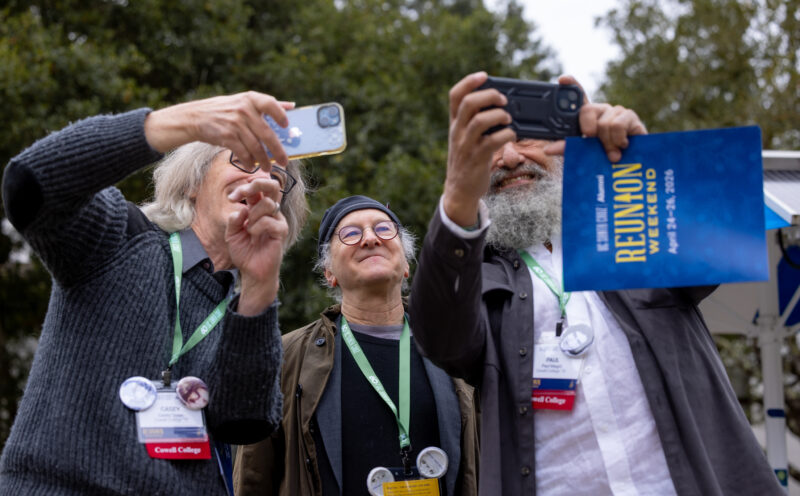
Alumni Reunion Weekend 2026: Celebrating the Class of ’76
UC Santa Cruz’s Alumni Reunion Weekend brought Banana Slugs back to the redwoods for a weekend of celebration.
-

Collaborating ecology professors earn national honors and discuss their work together
Professors of ecology and evolutionary biology Roxanne Beltran and Erika Zavaleta have been recognized individually by the Ecological Society of America. But they also partner on research that bridges ecology, inclusive education, and field-based learning
-
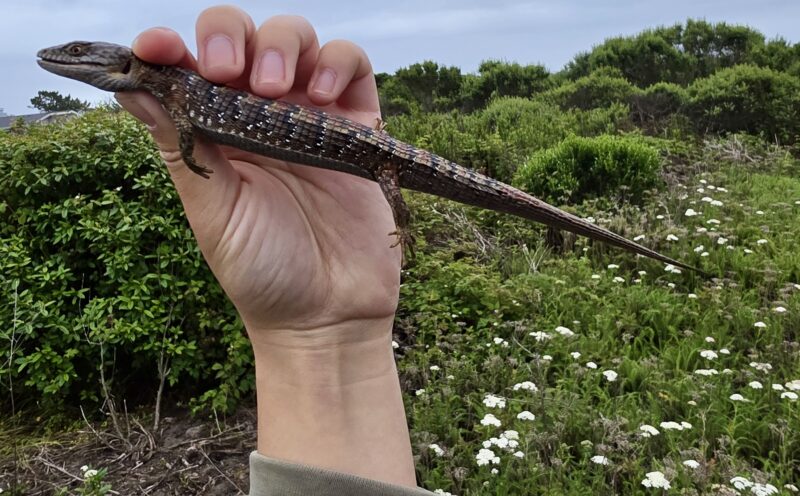
Over 5,000 biodiversity observations across more than 1,300 species equals first place in national competition
The campus chapter of the Ecological Society of America’s flagship education program SEEDS blew away all other competing chapters around the country, thanks to Santa Cruz’s thriving natural habitats
-

Spring Campus Elections are now open
The Spring Campus Elections are officially underway, offering students the opportunity to help shape the future of UC Santa Cruz. The voting period is open from Monday, May 4 at 12noon through Monday, May 18 at 11:59 p.m., and ballots are available online via the elections webpage. Undergraduate and graduate students can now vote on…
-
Invitation to the SAB Virtual Spring Forum May 26
The purpose of the SAB-supported forums is to provide staff with an opportunity to ask questions of campus leadership. We are grateful to continue to provide the opportunity to make your voices heard.
-

Engineer to develop secure data center hardware for the public cloud with NSF CAREER award
Yuanchao Xu will lead this research with the support of one of the most prestigious grants in support of early-career faculty
-
Commencement ambassadors needed
Over 5,000 Slugs will cross the stage on June 12–15. Ambassador roles over the weekend are designated to help usher guests to their seats, support accessibility accommodations, and more.
-

On the rise: Alumna August Lee Stevens makes her way in the Bay Area music scene
August Lee Stevens’s music career has taken off since her time at UC Santa Cruz. Stevens wrote her first single in her dorm at UCSC and has gone on to perform at a Warriors playoff game, open for Smokey Robinson, and hold a residency at the SF Jazz Festival.
-
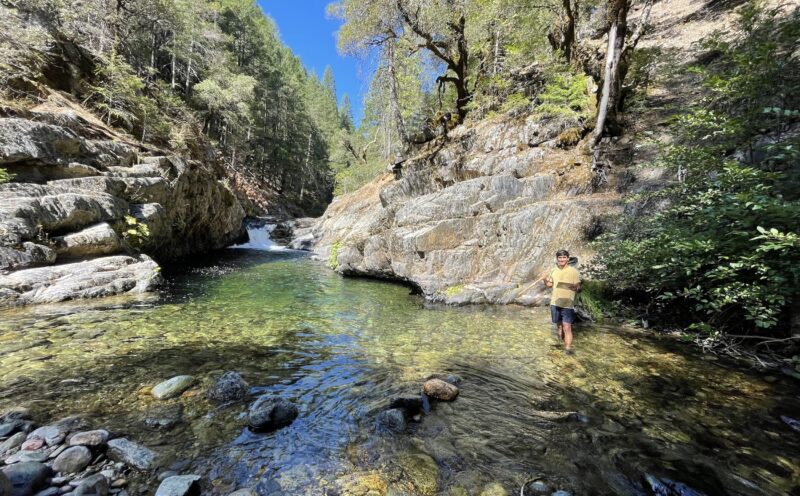
UC Santa Cruz receives California Department of Fish and Wildlife funding to assess health of state’s streams
A $2.2 million grant will scale a pioneering environmental DNA-based index, adding a broad biodiversity assessment tool that benefits statewide management of vital freshwater ecosystems
-
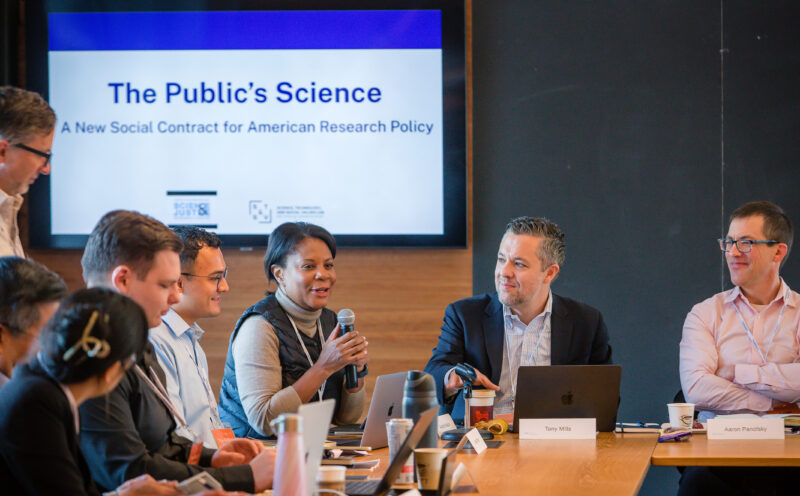
‘The Public’s Science’ initiative seeks to reimagine the science research ecosystem
The new effort will bring together a broad range of voices to create scholarship and policy recommendations for reorienting science research toward excellence, justice, transparency, and democratic participation.
-
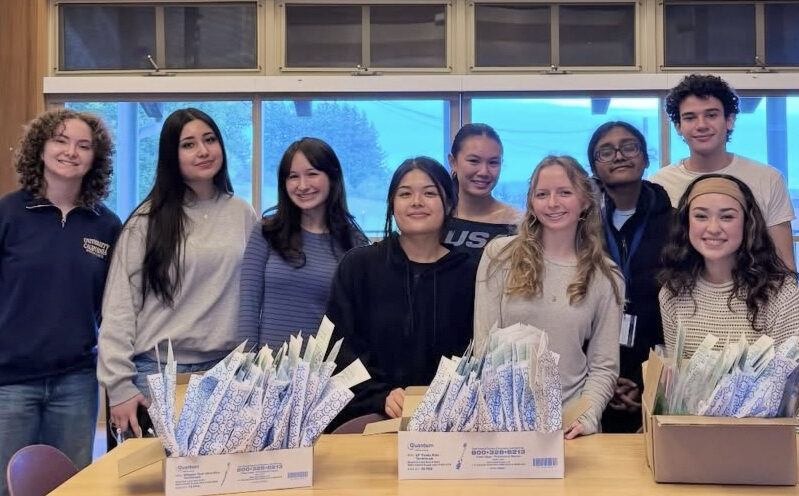
Student volunteers recognized for community impact
Three student organizations are among this year’s honorees for the Be the Difference Award.