Social Justice & Community
A path shaped by passion: Alumnus David Gleason’s lifelong dedication to Russian studies and supporting the Humanities
UC Santa Cruz alumnus David Gleason supports the university through charitable gift annuities. His philanthropic support of UC Santa Cruz is rooted in a deep gratitude for how his time there shaped the path that followed—working for Apple in the Soviet Union at one of the most pivotal moments in modern history.
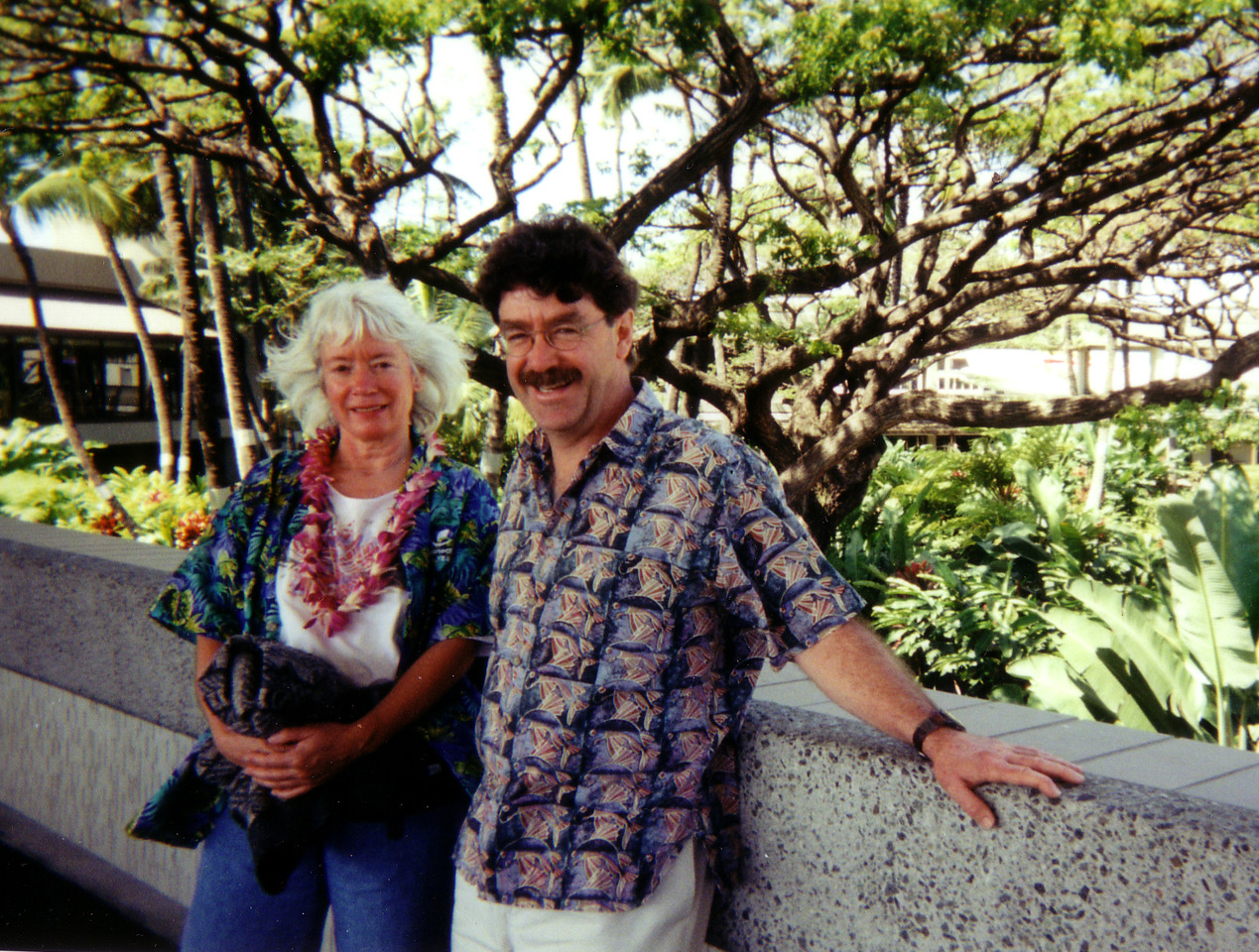
David Gleason and his wife Andrea continue to support the Humanities at UC Santa Cruz.
Key takeaways
- David Gleason graduated from UC Santa Cruz in 1970 with a degree in Russian literature.
- Gleason and his wife, Andrea, continue to support UC Santa Cruz through charitable gift annuities, a giving arrangement in which a donor makes a gift to an organization in exchange for a fixed income payment for the rest of their life.
- Gleason has been part of the Humanities Dean’s Council since 2017.
- Gleason used his background in Russian studies to help introduce Apple computers to a Soviet audience in the late 1980s to early ’90s.
David Gleason (Merrill ’70, Russian literature) first saw UC Santa Cruz in a booklet. It was a campus guide—black and white, about 50 pages long, that had photographs of the newly formed university and a list of classes.
“It was called Why You Should Attend UC Santa Cruz,” Gleason recalled. “There was a photograph of students walking to classes in the morning outside the Natural Sciences building. It was in the redwoods, there was fog, and it was dripping wet, and I just thought, that is paradise. That is just heaven.”
Gleason was attending Homestead High School in Sunnyvale, California, in the mid-1960s. His parents had recently purchased an acre of land in Bonny Doon, leading to an annual pilgrimage to Santa Cruz to cut down their Christmas tree. He became more familiar with the area as time went on and ultimately decided he wanted to attend UC Santa Cruz.
Gleason transferred to UC Santa Cruz in 1968 from Foothill College. At the university, Gleason declared an independent major in Russian literature and joined Merrill College for its themes in international relations. He recalled the intimate, small college nature of the campus at the time, with narrative evaluations instead of grades, and seminars at professors’ homes.
“UC Santa Cruz was the first time I ever felt I was around people like me,” Gleason said. “That was the key to that whole experience.”
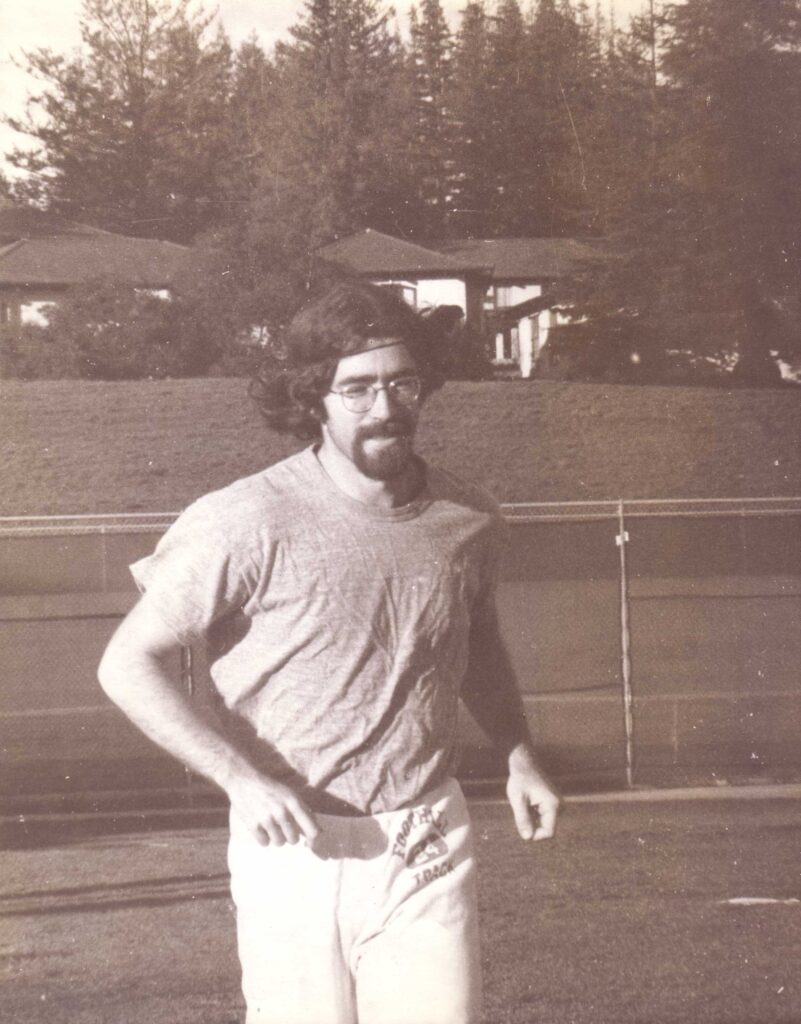
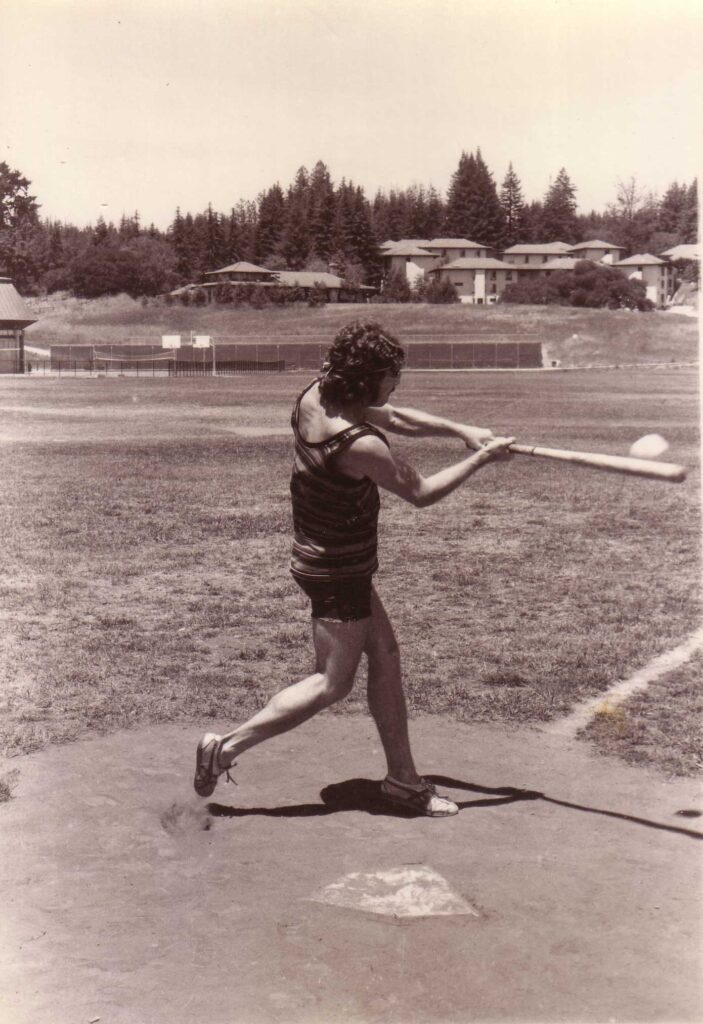
Gleason emphasized the importance of learning communication, collaboration, critical thinking, compassion, and creativity, what he dubs “the five C’s”, within the humanities. Those skills carried with him throughout his career, and continue to be a point of reference with students he mentors.
“It’s so important to have these skills,” Gleason said. “You want to be able to influence people, to tell them who you are, and what you’re about. The humanities really focuses on that.”
In 2017, Gleason joined the Humanities Dean’s Council and learned more about the campus’s and division’s priorities. He and his wife, Andrea Gleason, were brainstorming organizations in their lives that had significant impact. They narrowed it down to four areas, one of which was UC Santa Cruz. After speaking with a campus development officer, they decided to support the university through a charitable gift annuity—a giving arrangement in which a donor makes a gift to an organization in exchange for a fixed income payment for the rest of their life.
“It’s a win-win in every way,” Gleason said.
Unlike traditional investments, a charitable gift annuity offers donors a guaranteed fixed income stream for life that doesn’t fluctuate with the market, making it a beneficial option for those seeking financial security in retirement while also looking to give back.
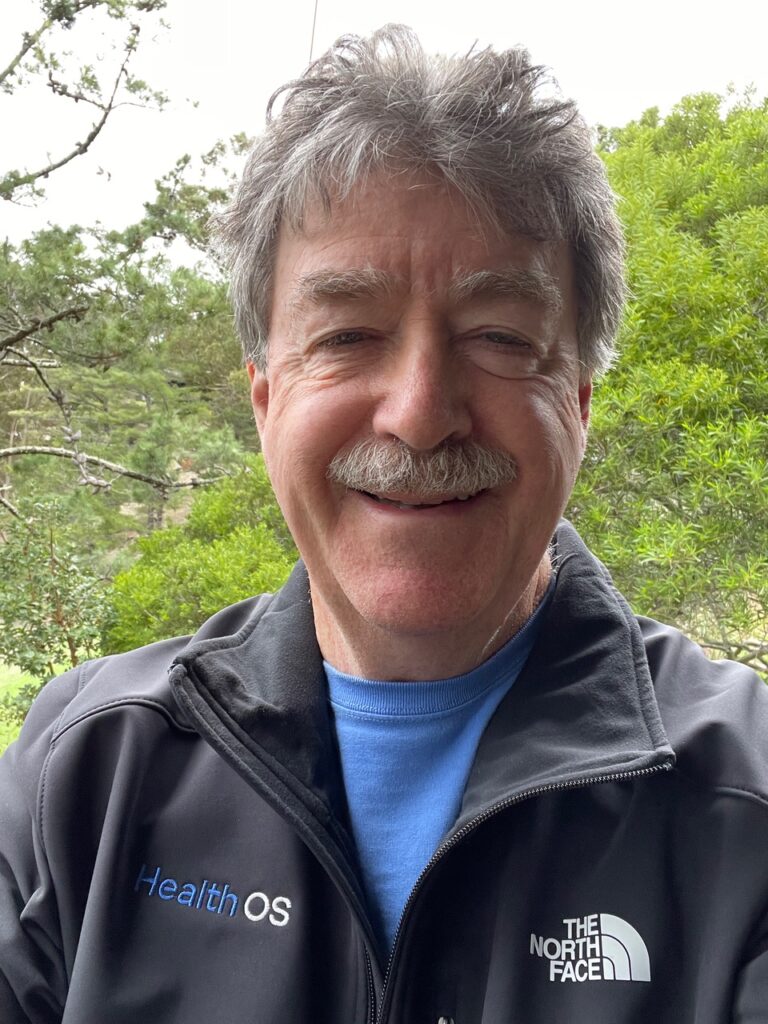
“For fellow alumni looking for ways to give back, I strongly suggest they consider it [a charitable gift annuity] because it has additional benefits compared with other investments, and you’re helping a generation that needs our help.”
The Gleasons’ generosity supports The Humanities Institute and the Employing Humanities initiative. Employing Humanities resonates with David’s belief that an education in the humanities, when pursued with passion and dedication, can lead to incredible opportunities. The initiative connects what students learn in the classroom to real-world impact through paid internships, undergraduate research, community-engaged projects, and programming that builds career readiness and expands career pathways. The Humanities Institute at UC Santa Cruz is a hub for bold projects in the humanities that supports research excellence, student success, and public programs such as the Deep Read.
Most recently, Gleason will serve as a mentor for the division’s HumLaunch Mentorship Program this summer.
Gleason’s support for UC Santa Cruz is rooted in a deep gratitude for how his time there shaped the path that followed. After graduating, he continued to pursue his passion for the Russian language, and what began as a lifelong fascination would eventually take him all the way to the Soviet Union at one of the most pivotal moments in modern history.
From the Bay Area to Russia
Gleason knew early on that he would one day live and work in Russia.
He started learning the language at the age of 14 while attending Homestead High School. It was 1962, and tensions between the U.S. and Russia were at an all-time high in the middle of the Cold War.
A world-class, nationally televised track-and-field competition was taking place at Stanford University—a dual meet between the men’s and women’s teams of the U.S. and the Soviet Union. At the end of the meet, the Russians approached the U.S. track players, and together, they ran the track, hand in hand, while the audience roared around them. A young Gleason was astonished at what he was witnessing, it felt like a pivotal, hopeful moment. Three months later, the Cuban Missile Crisis unfolded.
The whiplash between the two historical events—along with the fact that the Russian language teacher at the high school was known for his fun classes—encouraged Gleason to pursue the language. What started as a curiosity quickly turned into a major force in Gleason’s life.
After transferring to UC Santa Cruz, Gleason dove deeper into his studies, exploring Russian literature, history, and culture, and learned about Soviet education and business practices.
Gleason graduated from UC Santa Cruz in 1970. He wasn’t sure how, but he wanted to work in Russia. He worked in various roles, from a bibliographic researcher at McHenry Library to a sports writer for Track & Field News.
Gleason eventually decided to take some programming courses and was later hired by Apple. While he wasn’t using Russian on a daily basis at work, he made it known among friends and colleagues that it was one of his passions. One day, being known as “that American who speaks Russian” came in handy.
A year after he started at Apple, Gleason received a phone call from a colleague. Seven Soviet reporters were meeting with Apple executives and the interpreter was nowhere to be found. Gleason jumped at the opportunity, translated for the group, and caught the attention of Vice President Dave Barram. Shortly after, his experimentation with Russian fonts on his Mac put him on the radar of Senior Vice President Al Eisenstat, who was so impressed by David’s combination of language ability and technical knowledge that he recruited him on the spot to join CEO John Sculley’s executive trip to Moscow.
“All the Russian I had studied—the books, the conversations, the movies, the music—it all was becoming suddenly relevant, valuable, and meaningful,” Gleason said in an article he wrote on Medium. “The USSR was undergoing upheaval, and they needed and wanted help and cooperation from the rest of the world, including technology companies.”
“I had dreamed for years of being a ‘fly on the wall’ of international relations involving Russia. I was about to become much more—someone at the table in some very strategic discussions, and while I felt a bit overwhelmed, I was excited and couldn’t wait to get started.” he said.
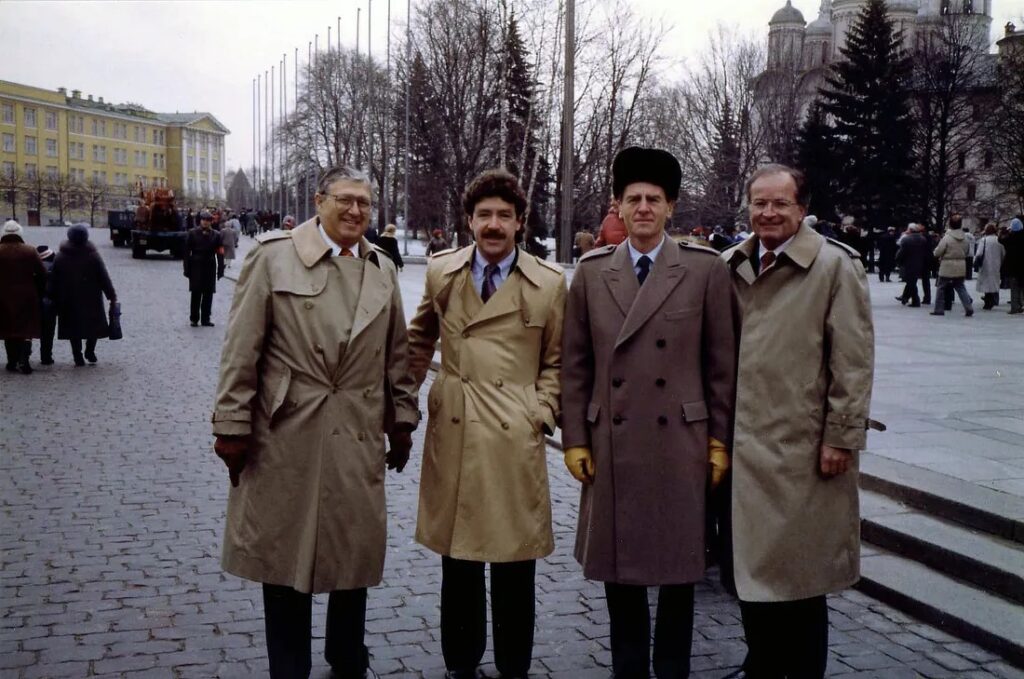
Once in the USSR, Gleason and the Apple executives navigated a maze of logistical and bureaucratic hurdles—including sourcing specially modified hardware that would meet strict U.S. export restrictions—while spending much of the trip simply introducing Apple and modern computing to audiences who had barely encountered a personal computer.
Their trip peaked at Moscow State University, where a small seminar unexpectedly swelled to 400 attendees and the official Soviet interpreter walked out, leaving Gleason to step in alongside a bilingual Russian scientist to interpret John Sculley’s entire presentation.
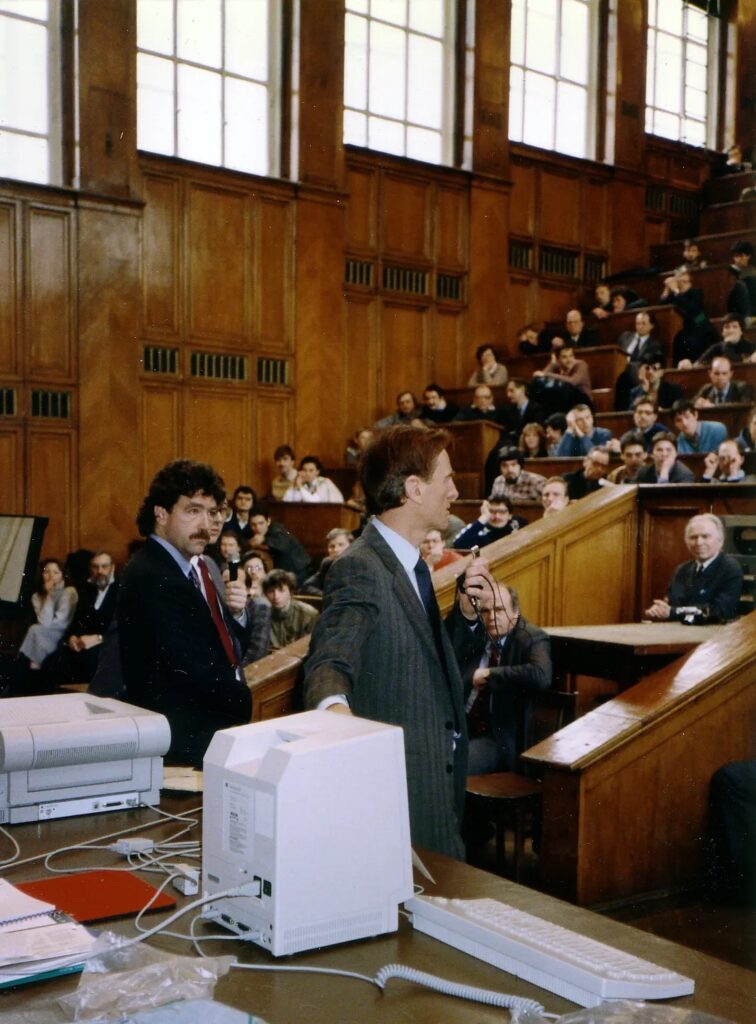
After returning to Apple, Gleason set his sights on becoming one of the people to bring Apple to the Soviet market. He connected with Kent Edquist, the Apple manager overseeing Eastern European markets, and together they worked on localizing the Mac for Cyrillic languages, with David drawing on his linguistics background to create Apple’s first Cyrillic character table.
Realizing more work needed to be done on the ground, David proposed that he be sent to Russia. The transfer was approved, and on December 18, 1989, just weeks after the fall of the Berlin Wall, David learned he was Moscow-bound.
“After more than 20 years of study, preparation, and effort, I left for my year in Russia in March 1990,” Gleason wrote. “It was an adventure, a challenge, and a heartbreak. The work I did there was important and rewarding, and my experiences were exhilarating, if occasionally terrifying. I made many lasting friendships, dealt with countless difficulties, and came away with an understanding of the struggle that the entire country was going through.”
Gleason says that his story is a testament to the opportunities that can unfold for those studying the humanities, particularly when they pursue their education with passion and dedication.