
Earth & Space
-
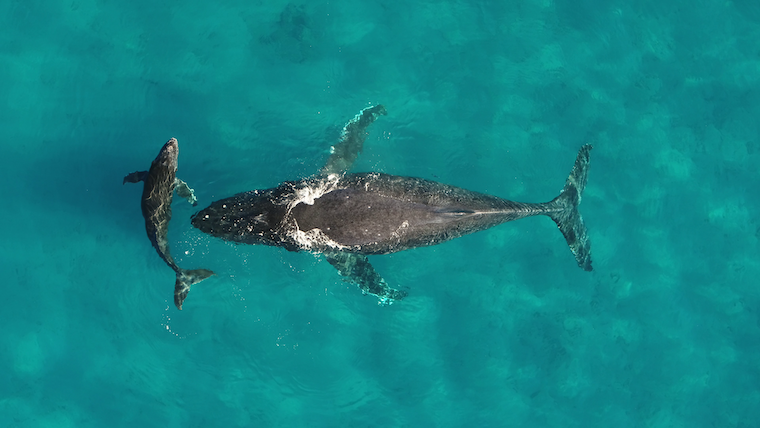
Whale waste helps health of oceans by funneling nutrients to the tropics, new study shows
New research shows that whales move nutrients thousands of miles—in their pee and poop—from as far as Alaska to Hawaii, supporting the health of tropical ecosystems and fish. UC Santa Cruz professors Dan Costa and Ari Friedlaender contributed their marine-mammal expertise to the study, which was published on March 10 in the journal Nature Communications.
-
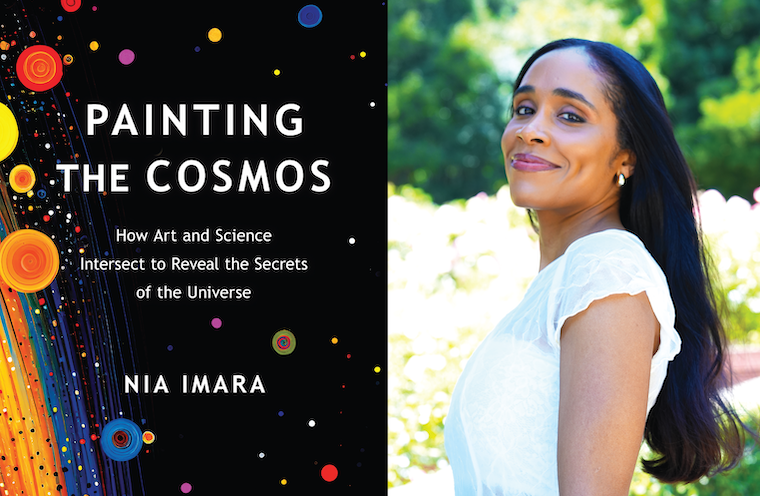
Astrophysicist explores interconnectedness of art and science
A new book by UC Santa Cruz astrophysicist and visual artist Nia Imara debuts tomorrow that explains the universe and traces how art has blended with science throughout human history.
-
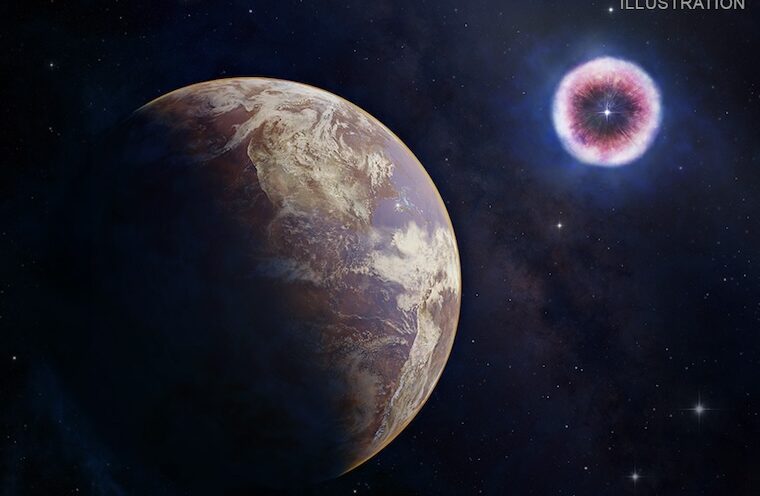
Cosmic radiation from supernova altered virus evolution in Africa, study proposes
A new study led by recent undergraduate student Caitlyn Nojiri and co-authored by astronomy and astrophysics professor Enrico Ramirez-Ruiz and postdoctoral fellow Noémie Globus examined iron isotopes to identify a 2.5 million-year-old supernova. The researchers connected this stellar explosion to a surge of radiation that pummeled Earth around the same time, and they assert that…
-
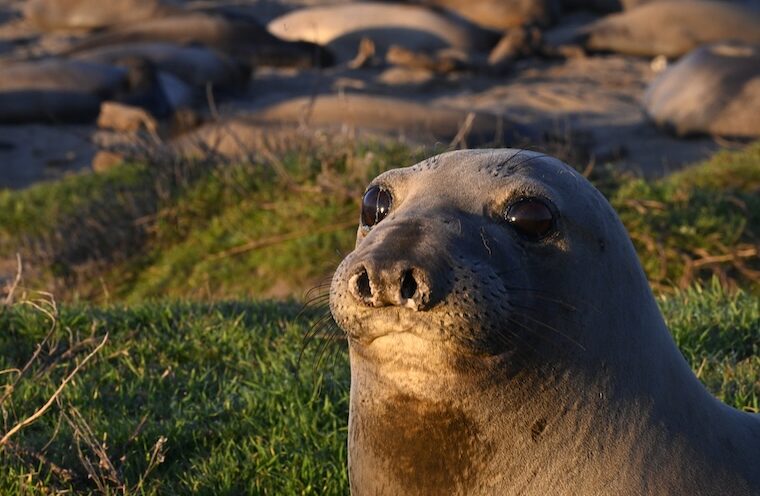
Foraging seals enable scientists to measure fish abundance across the vast Pacific Ocean
A new study led by UC Santa Cruz marine biologist Roxanne Beltran to be published as the February 14 cover story for Science concludes that seals can essentially act as “smart sensors” for monitoring fish populations in the ocean’s eerily dim “twilight zone.”
-
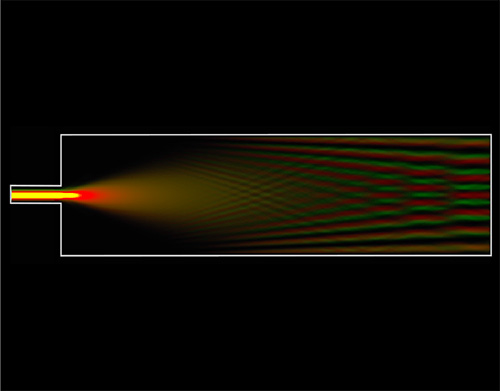
Ultra-small spectrometer yields the power of a 1,000 times bigger device
UC Santa Cruz researchers are designing new ways to make spectrometers that are ultra-small but still very powerful, to be used for anything from detecting disease to observing stars in distant galaxies
-

Genomes in the Wild: A Q&A with Professor Joanna Lynne Kelley on Evolution, Extremes, and Hibernating Bears
At UC Santa Cruz’s Coastal Science Campus, Kelley is uncovering how life endures in extreme environments.
-
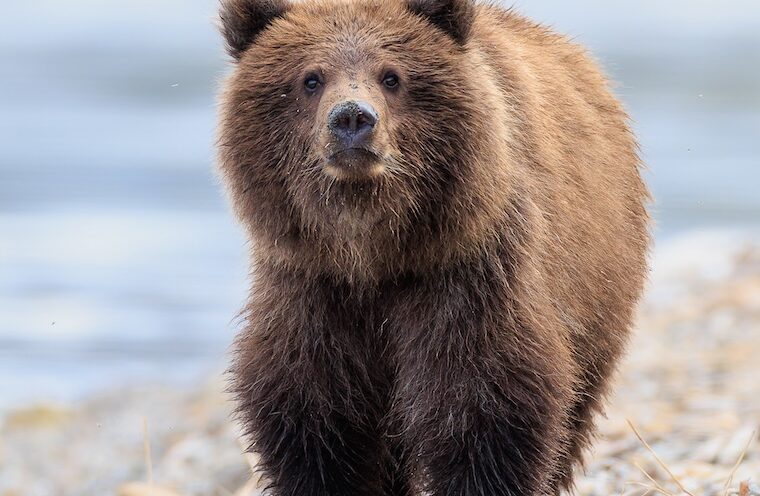
Bear DNA study to measure impact of conservation actions on genetic diversity
The National Science Foundation will fund research at UC Santa Cruz that will examine the DNA of brown bears in the lower 48 states, where the iconic beast’s numbers have seen catastrophic declines over the last century.
-
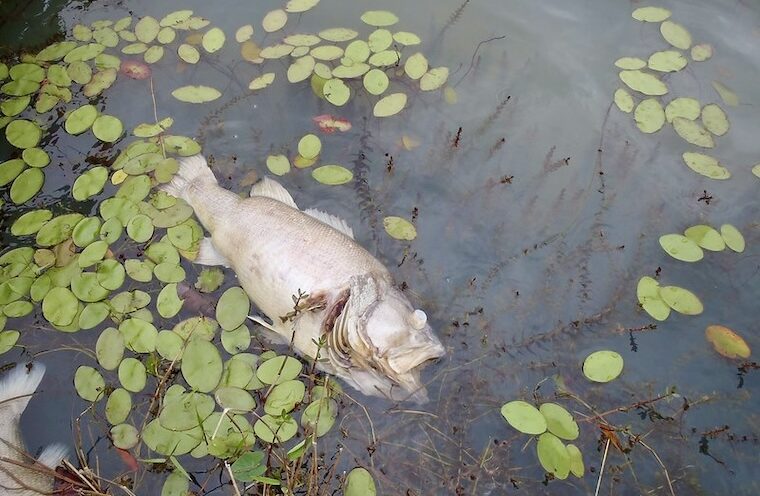
Loss of oxygen in lakes and oceans another sign of Earth systems under strain
New essay co-authored by UC Santa Cruz researcher says aquatic deoxygenation is intertwined with climate change and other ‘planetary boundary’ processes
-

Scientists discover first nitrogen-fixing organelle
In two recent papers, an international team led by UC Santa Cruz scientists describe the first known nitrogen-fixing organelle within a eukaryotic cell. The organelle is the fourth example in history of primary endosymbiosis — the process by which a prokaryotic cell is engulfed by a eukaryotic cell and evolves beyond symbiosis into an organelle.
-

First results from DESI make the most precise measurement of our expanding universe
We now have the largest 3-D map of our cosmos ever created, thanks to DESI—a powerful instrument mounted atop a telescope in Arizona with a robotic array of 5,000 fiber-optic “eyes” that look into the night sky.
-
UC Santa Cruz joins consortium advancing Earth system science programs
UC Santa Cruz has joined a nonprofit consortium of 126 North American colleges and universities focused on research and training in Earth system science.
-
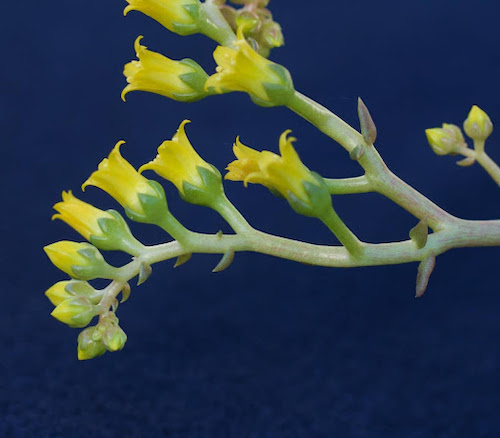
UC Santa Cruz names new, rare succulent species from Orange County
A new, rare species of succulent plant from Orange County has been named by Stephen McCabe, a researcher with the UC Santa Cruz Arboretum, with Kristen Hasenstab-Lehman and Matt Guiliams of the Santa Barbara Botanic Garden. The naming of new species is part of an effort by multiple entities to help conserve the many threatened…