
Climate & Sustainability
-
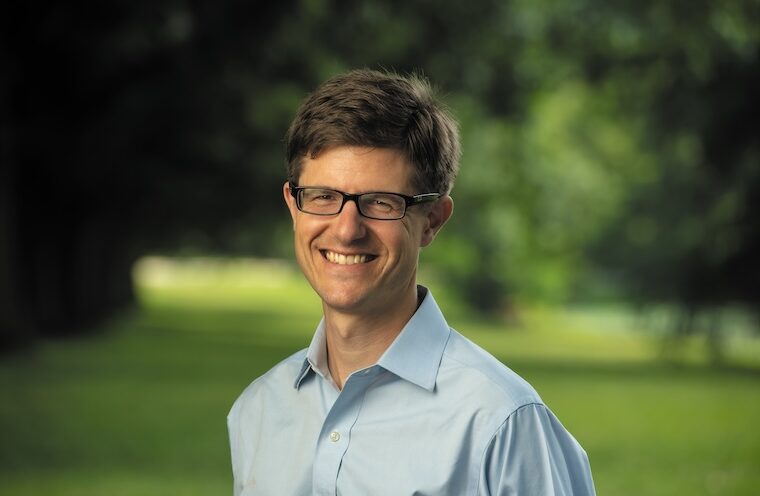
Q&A with Malin Pinsky: On ocean warming, moving fish, and why it all matters
Marine ecologist Malin Pinsky explains how record-breaking ocean warming is driving unprecedented shifts in marine life, disrupting ecosystems and economies, and challenging both science and policy to keep pace with rapid environmental change.
-
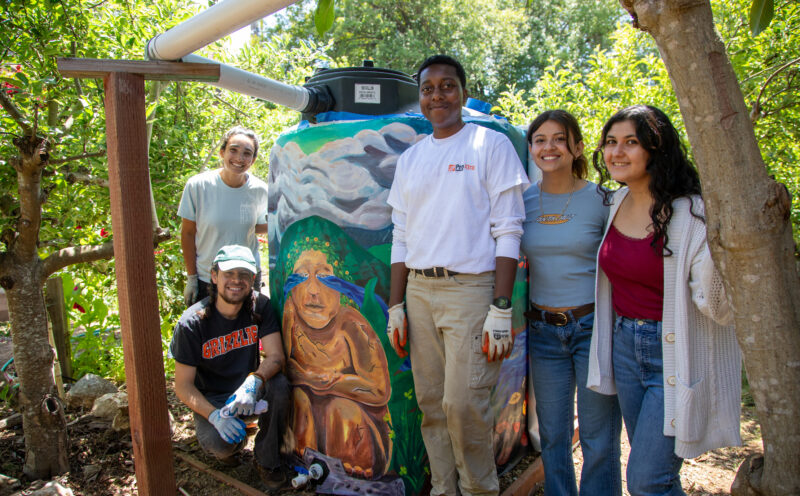
Innovative and artful rainwater harvesting nourishes gardens and hope
UC Santa Cruz cosmologist leads widely interdisciplinary project funded by the Center for Coastal Climate Resilience to turn urban runoff into low-cost irrigation
-

Rethinking climate adaptation: Researchers call for a holistic approach to species on the move
Animals adapt in more ways than one – ignoring that complexity could undermine efforts to help them survive climate change.
-
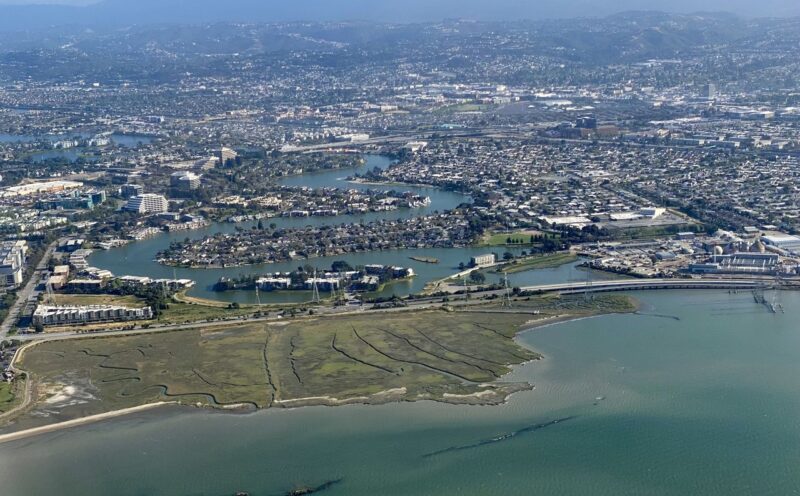
Facing the storm: UC Santa Cruz researchers model a new line of coastal defense
Buffering aging levees with sloping wetlands reduces flood risk while establishing beneficial ecosystems.
-

Applying the science of social impact
UC Santa Cruz alumna Jennifer Rigney uses her Ph.D. in Psychology to support mission-based organizations in making effective, data-based decisions about their programs. She has helped advance the ocean conservation goals of the Monterey Bay Aquarium and now supports early childhood development as the director of evaluation and learning for First Five Monterey County.
-

Following Late Pleistocene horse migration toward our sustainable future
Cutting-edge UC Santa Cruz Paleogenomics Lab was key to genetically tracing mass movements long ago
-

UCSC alumnus named director of the Smithsonian Environmental Research Center
William “Monty” Graham (M.S. ’89, marine sciences; Ph.D. ’94, biology) will lead the nation’s premier coastal ecosystem research facility and its mission to understand the vital connections between land and water.
-

Planting seeds of change: Sheyna Burns reimagines agriculture practices
UCSC undergraduate researcher Sheyna Burns (Oakes ’26) is pioneering inclusive agricultural research and entrepreneurship through her campus-based Sankofa Sky Farm, developing a statewide food hub aimed at supporting more equitable farming, and more.
-
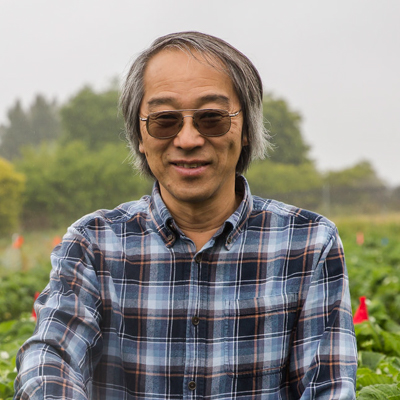
Associate Professor Joji Muramoto wins award for leadership in agricultural sustainability
Muramoto, who is based at UC Santa Cruz, was the first UC Agriculture and Natural Resources cooperative extension specialist fully dedicated to organic agriculture. The strong partnerships he has built across academia and industry have helped his research to significantly advance the field.
-

Research on dry-farmed tomatoes will better equip organic growers to adapt to climate change
New research led by UC Santa Cruz will strengthen understanding of which traits set tomato plants up to be grown successfully without irrigation.
-
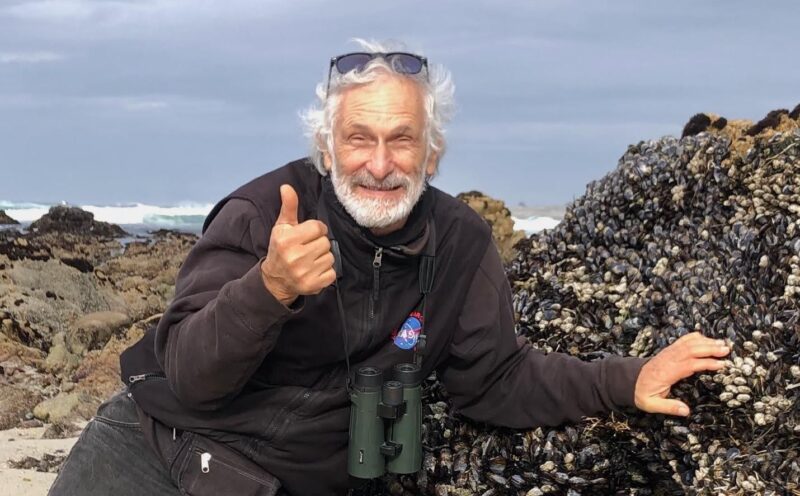
Exploring the edges of science
Alumnus Jonathan Trent is a marine biologist and former NASA scientist whose groundbreaking work spans ocean research, space science, and sustainable technology.
-

Pest prediction and management improved with better modeling
With new research, applied mathematicians at UC Santa Cruz introduce methods to improve the forecasting of pest populations