RNA Center
-
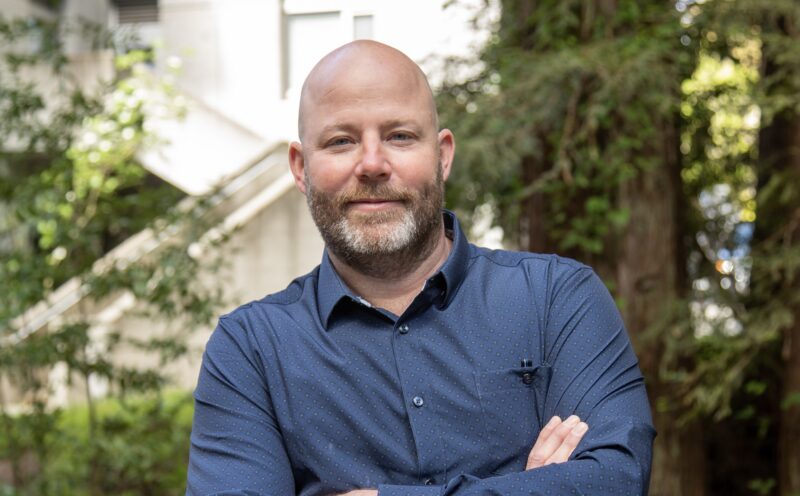
RNA researcher on the basics of how mRNA vaccines are made and work
In light of recent wins for mRNA vaccine makers, UCSC RNA Center Co-Director Jeremy Sanford describes the versatility of the mRNA platform and how it quickens vaccine production
-

Fueling the biotech flywheel with fundamental discoveries and driven graduates
UC Santa Cruz deepens industry engagement to underscore its vital role in contributing basic research and tomorrow’s talent, convening its first international RNA biology conference on August 18
-
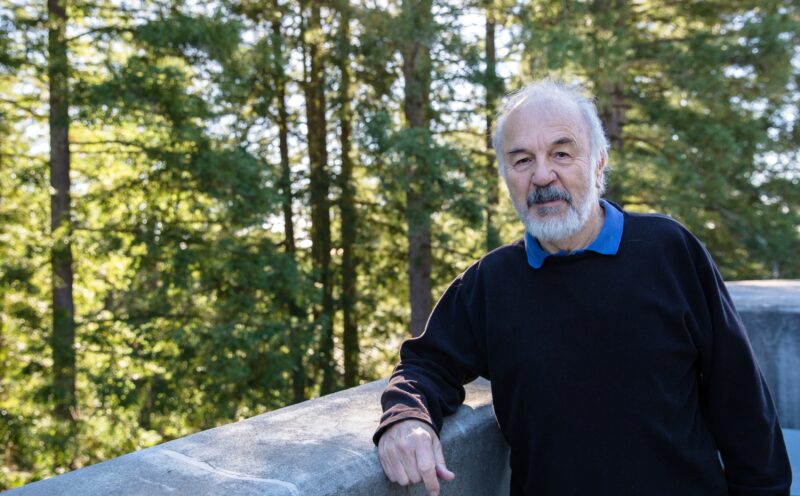
RNA Center founder Harry Noller cements a legacy of brilliance and creativity
The visionary who discovered that RNA powers the ribosome now turns his focus to his other lifelong loves: his saxophone, vintage cars, and family.
-
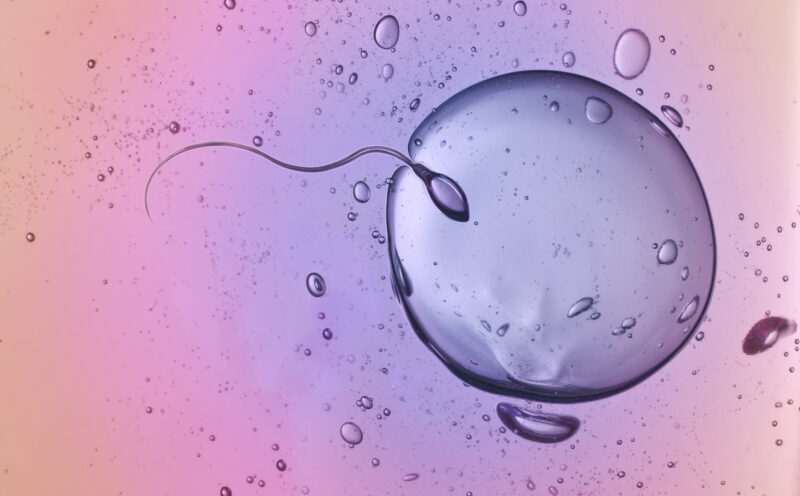
Tiny RNA molecules in sperm, big impact on baby health
Molecular mechanism uncovered in mice by UC Santa Cruz researchers reveals how a father’s diet, stress, and other environmental factors before conception can influence his offspring’s health
-
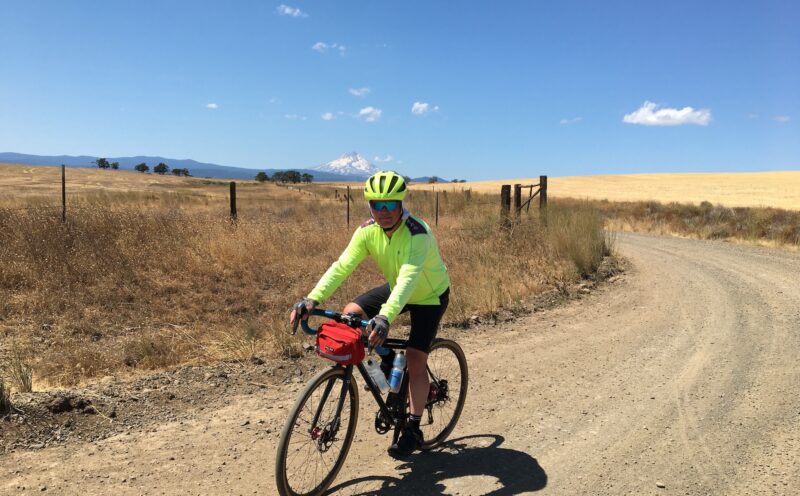
In Memoriam: William Scott
The longtime professor of chemistry and biochemistry is remembered by family, friends, and colleagues for his immense intellect, generosity, and contributions to advance scientific research
-
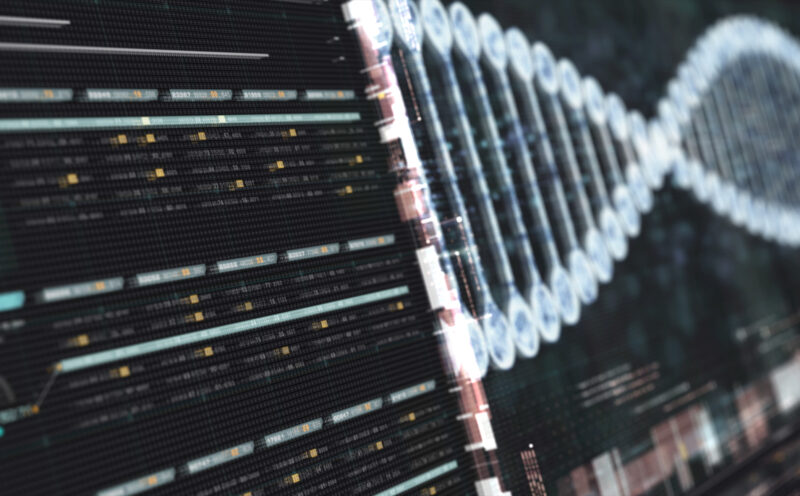
New software promises to make precision genome editing with CRISPR accessible to more researchers
Integration into widely used UCSC Genome Browser makes tool available to entire life-sciences community
-
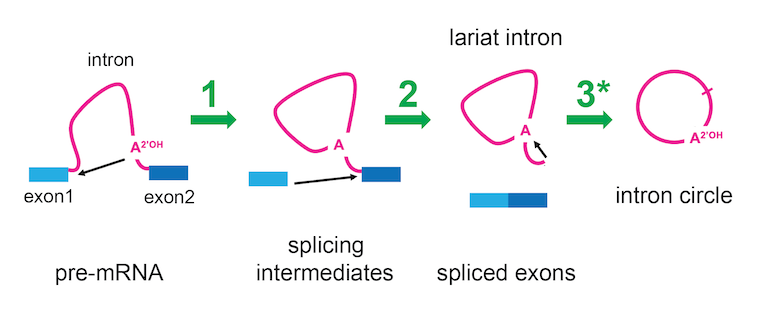
New study discovers cellular activity that hints recycling is in our DNA
Introns are perhaps one of our genome’s biggest mysteries. They are DNA sequences that interrupt the sensible protein-coding information in your genes, and need to be “spliced out.”
-
Researchers produce first-ever toolkit for RNA sequencing analysis using a ‘pantranscriptome’
Researchers at UC Santa Cruz introduce the first-ever method for analyzing RNA sequencing data genome-wide using a “pantranscriptome.”
-
Hallmark cancer gene regulates RNA ‘dark matter’
A new study finds that a key genetic mutation that occurs early on in cancer alters RNA “dark matter” and causes the release of previously unknown RNA biomarkers for cancer early detection.