Research
-

Faculty, fellows among global leaders at 2025 United Nations Ocean Conference
University of California, Santa Cruz, and the Center for Coastal Climate Resilience represented at recent international climate meetings
-
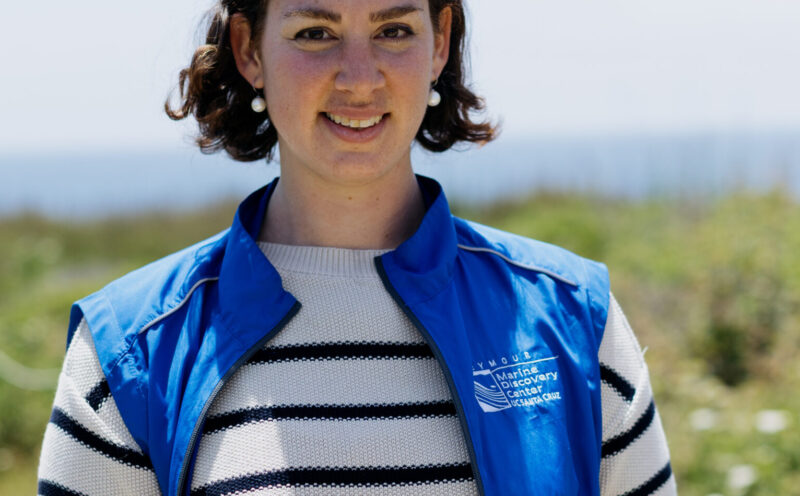
Using technology and games to build climate-resilient communities
Linda Hirsch, a postdoctoral fellow at UC Santa Cruz who is supported by the Center for Coastal Climate Resilience, is exploring how technology can help individuals and communities prepare for and recover from climate-related hazards.
-
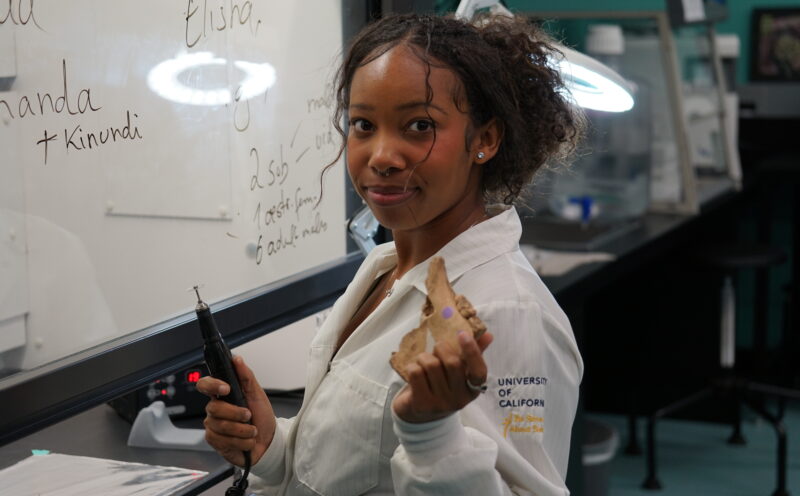
Horse teeth hold historical clues about military power and trade in Western Africa
Undergraduate Elyse Venerable won the Chancellor’s Award and Dean’s Award for her research using strontium isotope analysis to uncover the origins of Oyo Empire war horses.
-
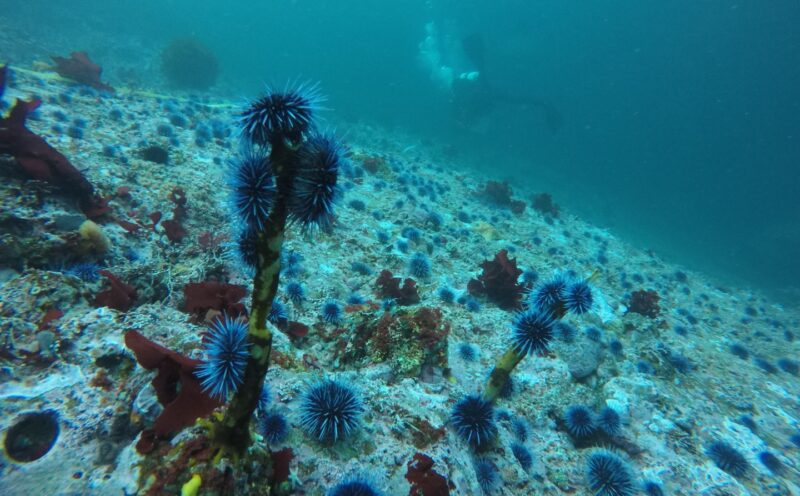
A data-driven model to help avoid ecosystem collapse
New study gives conservationists a simpler, general approach for predicting an ecosystem’s tipping point and what comes next
-
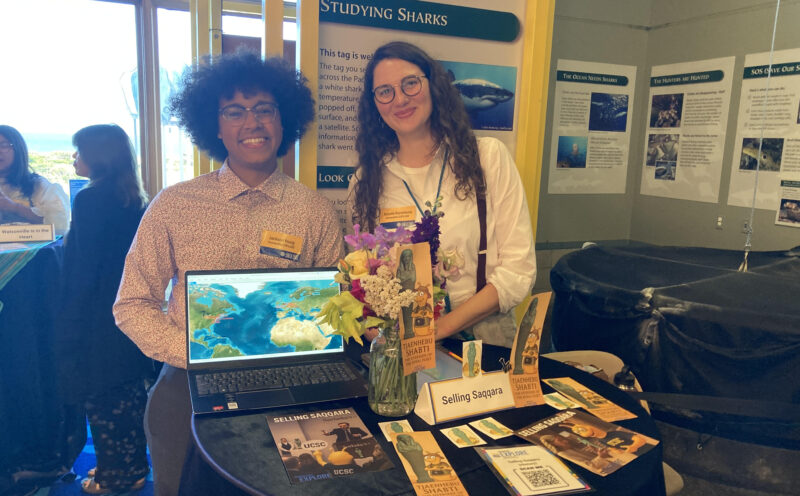
Celebrating the Humanities at UC Santa Cruz
The inaugural UC Santa Cruz Celebrating The Humanities gathering at the Seymour Center made a powerful case for the relevance, impact, and career power of humanistic learning. The event drew over 300 people.
-

Whales and the stories they carry about climate change are the subject of new art and science exhibition at the IAS
A new exhibit at the Institute of the Arts and Sciences at UC Santa Cruz merges cutting-edge whale research with immersive art to tell powerful, interdisciplinary stories about climate change and ecological justice.
-
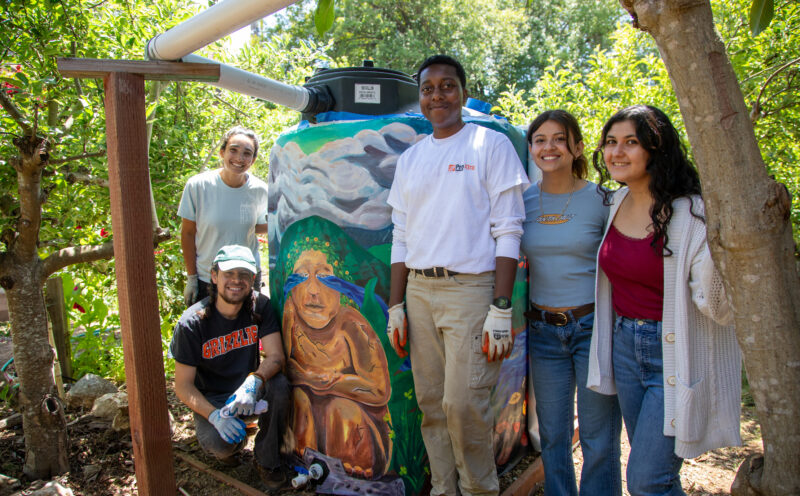
Innovative and artful rainwater harvesting nourishes gardens and hope
UC Santa Cruz cosmologist leads widely interdisciplinary project funded by the Center for Coastal Climate Resilience to turn urban runoff into low-cost irrigation
-
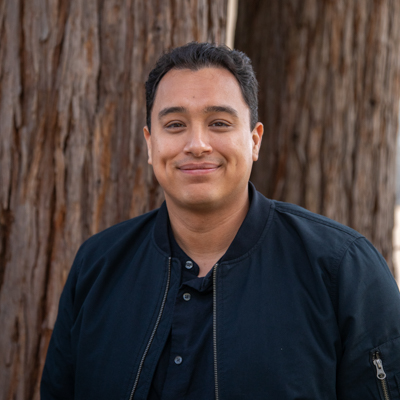
New book explores social impacts, public health lessons from Peru’s fight against AIDS
Assistant Professor Justin Perez’s latest book focuses on local engagement with HIV prevention efforts in Peru during the early 2010s. During this time period, as global health leaders began to envision an “end of AIDS,” the course of the epidemic in Peru took a turn for the worse.
-

Planting seeds of change: Sheyna Burns reimagines agriculture practices
UCSC undergraduate researcher Sheyna Burns (Oakes ’26) is pioneering inclusive agricultural research and entrepreneurship through her campus-based Sankofa Sky Farm, developing a statewide food hub aimed at supporting more equitable farming, and more.
-

Social psychologist explains historical progress and pitfalls in addressing anti-Black racism
New book applies seven decades of research on race relations and proposes a path forward
-
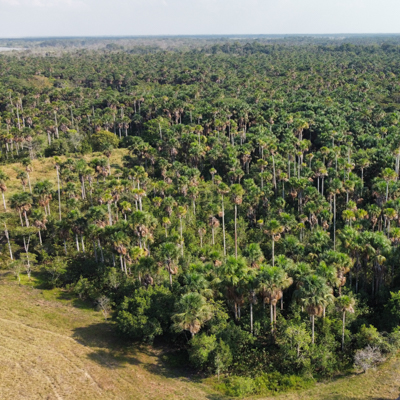
Colombia’s peatlands could be a crucial tool to fight climate change. But first we have to find them.
Assistant Professor of Environmental Studies Scott Winton conducted three years of extensive fieldwork to develop the first data-driven map of both newly documented and predicted peatlands across Colombia’s eastern lowlands.
-
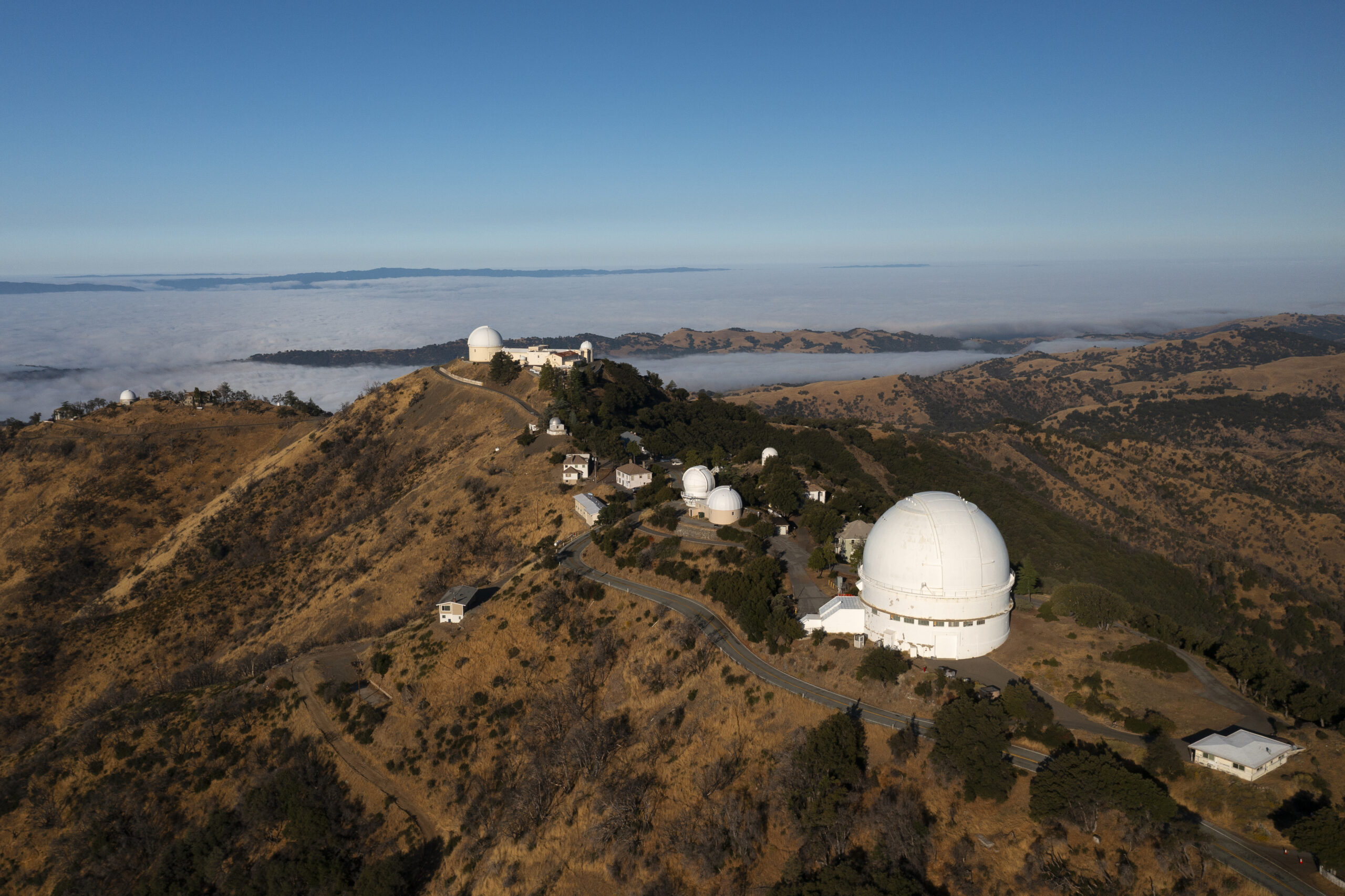
Lick Observatory to mark 150 years of discovery and innovation
Serving nine UC campuses and two national laboratories, Lick Observatory continues to be at the forefront of groundbreaking discoveries and innovation, training the next generation of astronomers and astrophysicists.