Research
-

Delivery and ridehailing workers lack critical protections from coronavirus
Chris Benner led an online survey of app-based workers in San Francisco, and preliminary results reveal significant financial hardship caused by the coronavirus pandemic.
-

COVID-19: Economist helps build “contact tracing” app for Peru
In an effort to protect people from COVID-19, economist Kristian López Vargas helped lead the development of an app the Peruvian government has launched to improve “contact tracing” .
-
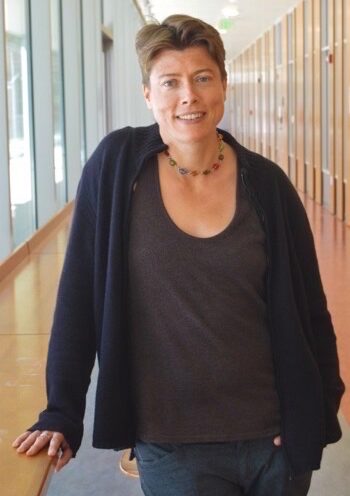
Discrimination, governance, and trust in the age of COVID-19
The coronavirus pandemic has upended daily life around the world, and is simultaneously triggering challenging questions of discrimination, governance, and trust, says sociologist Jenny Reardon.
-

Recruiting raptors for rodent control along the Pajaro River levee
UCSC’s Predatory Bird Research Group is working with the Santa Cruz County Flood Control District to encourage hawks and owls to patrol the levee for rodent control.
-

Timing is key for parents who want to help children learn at museums, say researchers
Children’s museums can be a challenging environment for parents who feel the urge to explain the science behind all the novel activities that dazzle youngsters. New research suggests that timing is key to supporting children’s learning in these environments.
-
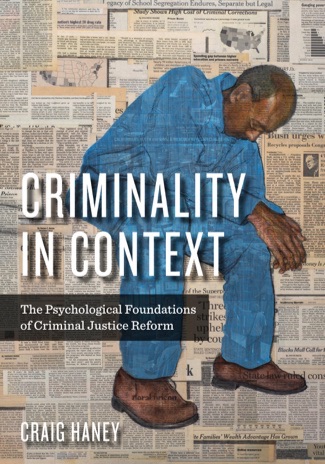
New book debunks myths about who causes crime and why
Craig Haney, a distinguished professor of psychology, is the author of the new book Criminality in Context: The Psychological Foundations of Criminal Justice Reform, a comprehensive analysis of 40 years of research into the root causes of criminal behavior.
-
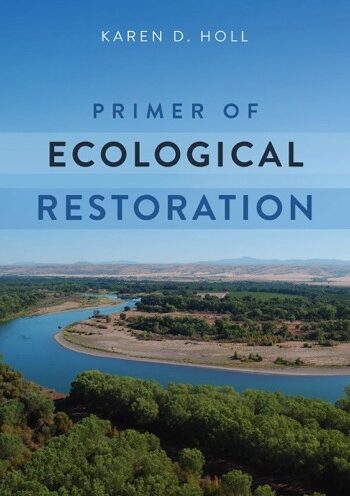
Karen Holl publishes a “primer” on ecological restoration
Karen Holl has introduced hundreds of undergraduates to ecological restoration, and now she has published the book she wishes had been available when she first stepped into the classroom.
-
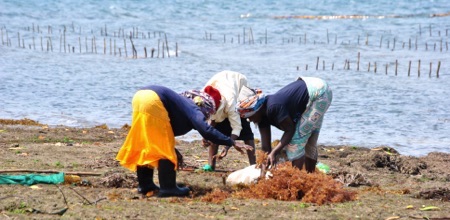
Aquaculture to benefit people and the environment
Two graduate students have received a one-year, $150,000 grant to create environmentally sound seaweed and sea cucumber farms on the coasts of Kenya and The Gambia.
-
Using isotopes to reconstruct life histories within the transatlantic slave trade
Four hundred years after the displacement of millions of Africans began, anthropologist Vicky Oelze wants to use isotope biogeochemistry to trace back and identify the origins of individuals who were abducted and perished in the Americas.
-

Craig Haney testifies before committee charged with revising state’s penal code
Craig Haney, distinguished professor of psychology, was the only witness to testify during the first meeting of the newly formed Committee on Revision of the Penal Code.
-

The carbon footprint of dinner: How “green” are fish sticks?
Fish sticks may be a tasty option for dinner, but are they good for the planet? A new study of the climate impacts of seafood products reveals that the processing of Alaskan pollock into fish sticks, imitation crab, and fish fillets generates significant greenhouse gas emissions.
-
Global study of street networks reveals growing urban sprawl
Local streets of the world’s cities are becoming less connected, part of a global trend that is driving urban sprawl and discouraging the use of public transportation.