Research
-
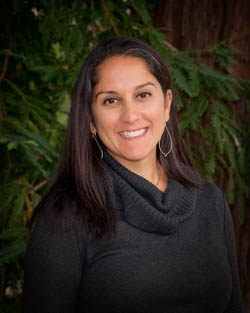
UCSC environmental governance expert named to NASEM committee addressing methane gas emissions
Environmental Studies Professor Sikina Jinnah has been appointed as a member of the National Academy of Sciences, Engineering, and Medicine (NASEM) Committee for Atmospheric Methane Removal to assess viable technological options for reducing a powerful greenhouse gas.
-
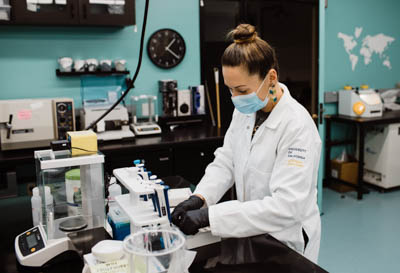
New stable isotope map of Angola helps archaeologists trace individual life histories across the African Diaspora
UCSC researchers’ methods could provide significantly more detail and certainty in identifying first-generation enslaved individuals in the Americas and tracing back their origins within Africa than was previously possible through strontium isotope analysis work or genetic analysis.
-
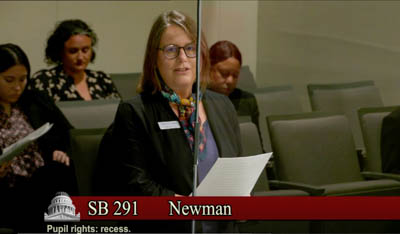
Rebecca London testifies in support of bill that would guarantee recess for California students
Associate Professor of Sociology Rebecca London testified before the California State Senate Education Committee on April 12 in support of SB 291, which would guarantee at least 30 minutes of recess per day for California students in kindergarten through eighth grade.
-
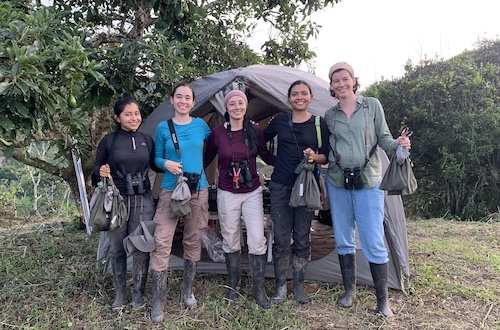
Colombian all-female team uncovers naturalist Elizabeth Kerr’s long-forgotten legacy
Many fields of study have long been dominated by men but a team of eight female Colombian researchers are committed to uncovering the story of naturalist pioneer Elizabeth Kerr, whose legacy had remained invisible despite her vast contributions to ornithology.
-

White House cites Rob Fairlie’s research in annual economic report
Economics Professor Rob Fairlie’s research on race and ethnicity in higher education was cited in the 2023 Economic Report of the President.
-
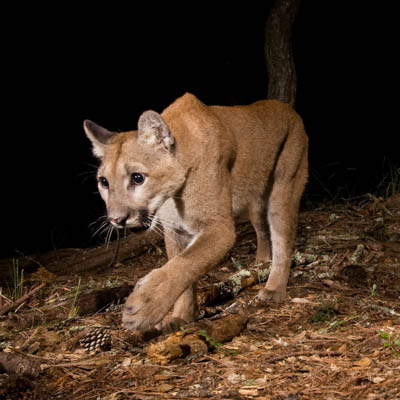
Humans and housing density are the leading cause of death for local pumas
Two new studies involving UC Santa Cruz researchers are shedding light on the challenges facing local pumas where humans are encroaching on their natural habitats.
-
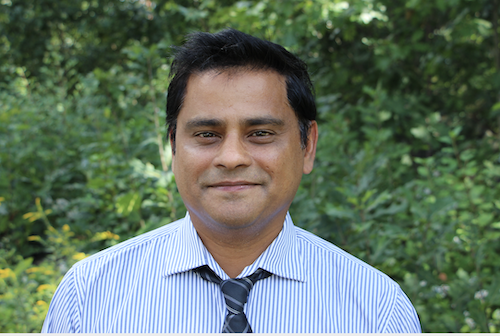
Grant funds Sarker’s aquaculture sustainability research
Pallab Sarker received a foundation grant fund from the Cynthia and George Mitchell Foundation, amounting to $170,947 over three years to strengthen his lab’s ecological aquaculture work.
-
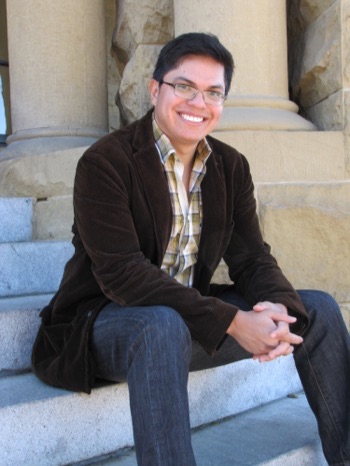
Pedroza received Russell Sage Foundation Pipeline Grant
Assistant Professor Juan Manuel Pedroza aims to learn more about these challenges and speak to them, with the help of a recently awarded grant from the Russell Sage Foundation.
-

Center for Labor and Community opens on UC Santa Cruz campus
Scholars studying the economic and social impacts of a variety of labor and employment issues facing workers in Santa Cruz and the Monterey Bay Area just announced the opening of a new center on campus that will provide timely and policy-relevant labor research, will educate the next generation of labor and community leaders and will…
-
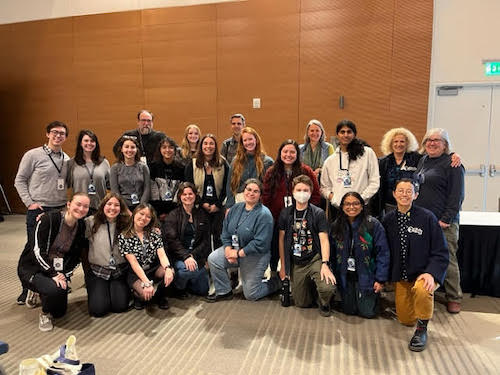
Local educators shared expertise at the first STEM Education Central Coast Conference
The conference, which was organized by California State University Monterey Bay in collaboration with UC Santa Cruz, was designed by and for local educators in science, technology, engineering and math. The goal was to share expertise.
-
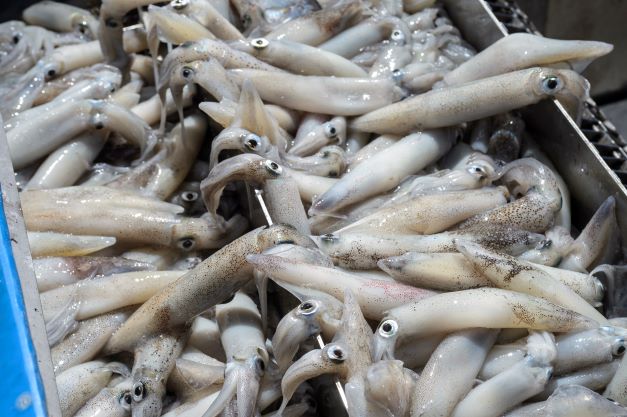
Where is your squid coming from? Most likely unregulated waters, according to a new international study
Scientists and policymakers have voiced growing concerns about the decline of global squid stocks, but little has been done to date to target squid fishing activities that are expanding into unregulated spaces, according to a new international study.
-

UCSC professor building collaborations to shape future minds through ethnic studies
Many believe we are at a pivotal moment in this country regarding anti-racist reforms, police abolition, and restorative justice. And according to Rekia Jibrin, an assistant professor in critical studies of education within UC Santa Cruz’s Education Department, engaging local communities is vital to bringing about transformative change.