Inspiring Change: Breakthrough Research
-
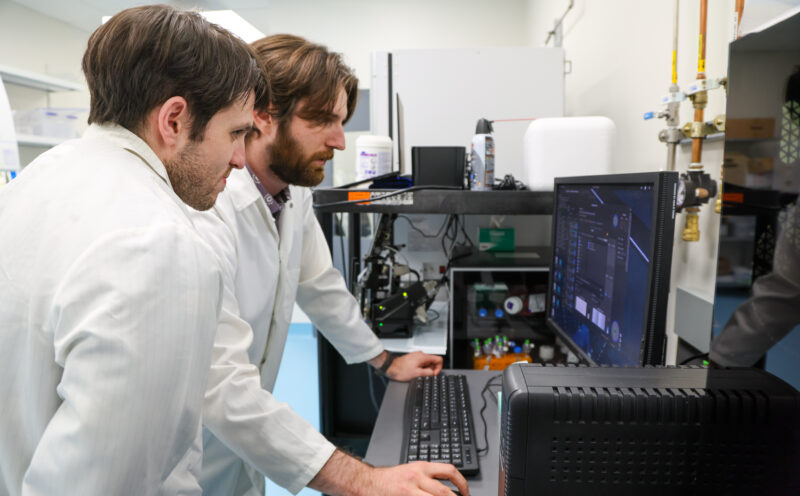
Brain organoids can be trained to solve a goal-directed task
UC Santa Cruz researchers are exploring how brains learn, adapt, and improve, which could help us better understand and address neurological conditions.
-
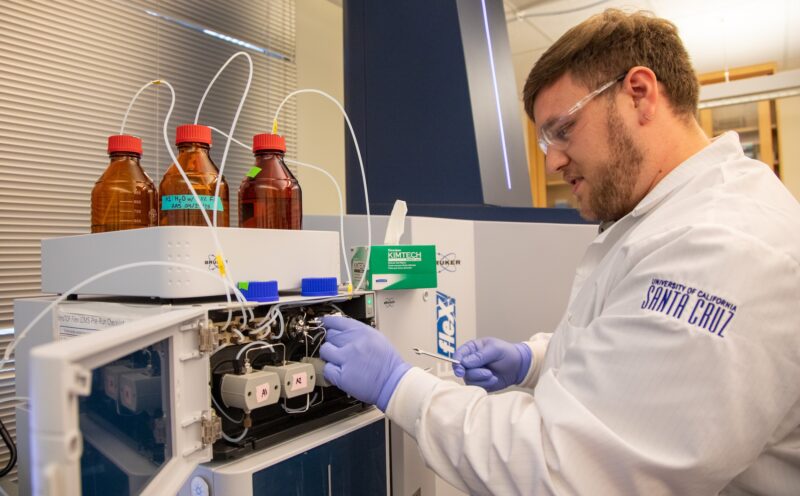
Biochemists establish new method for identifying pharmaceutical candidates faster
UC Santa Cruz team achieves synthesis of beneficial neurochemical in just two steps, promising to break a bottleneck in drug development
-
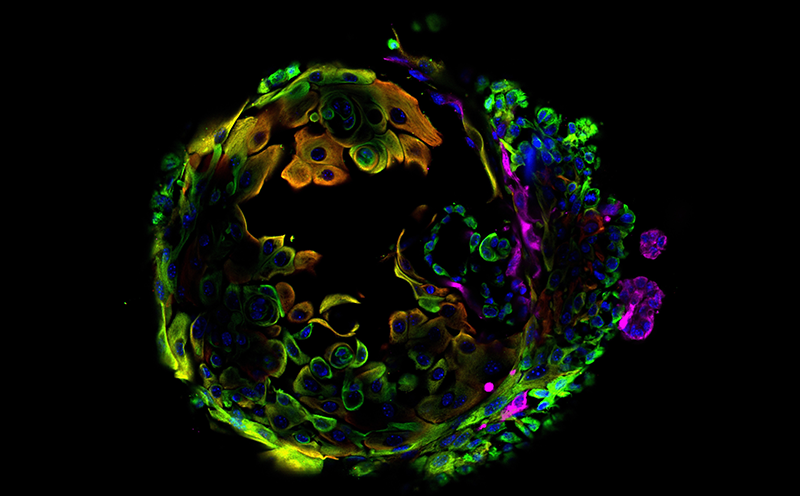
How early pregnancy impacts aging: implications for breast-cancer risk
New study by UC Santa Cruz team discovers that early pregnancy in mice reduces buildup of ‘confused’ cells that could lead to breast cancer later in life
-
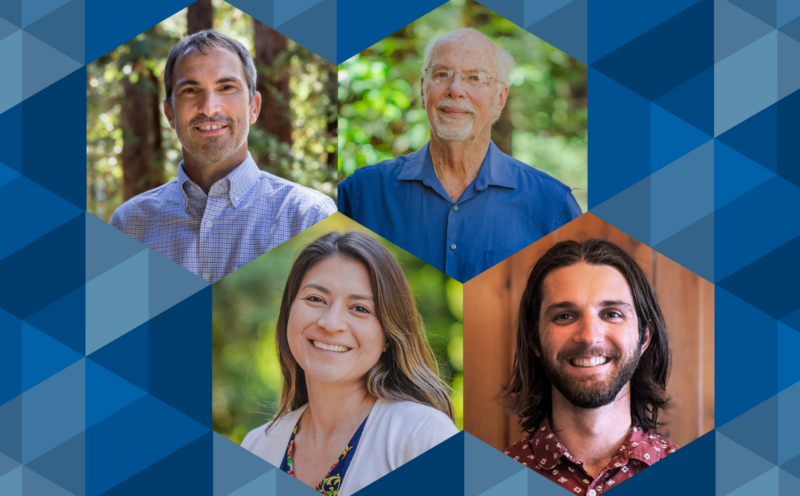
Three UC Santa Cruz professors and one student recognized as Santa Cruz Works ‘Titans’
This recognition celebrates their contributions to the region’s technology, innovation, and entrepreneurship ecosystem.
-
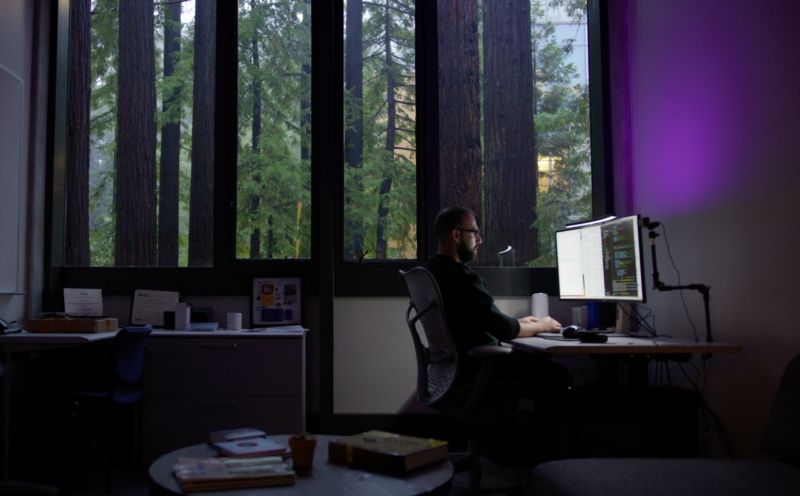
Shaping the future of artificial intelligence
UC Santa Cruz experts are working to guide AI in ethical, sustainable, and socially beneficial directions
-
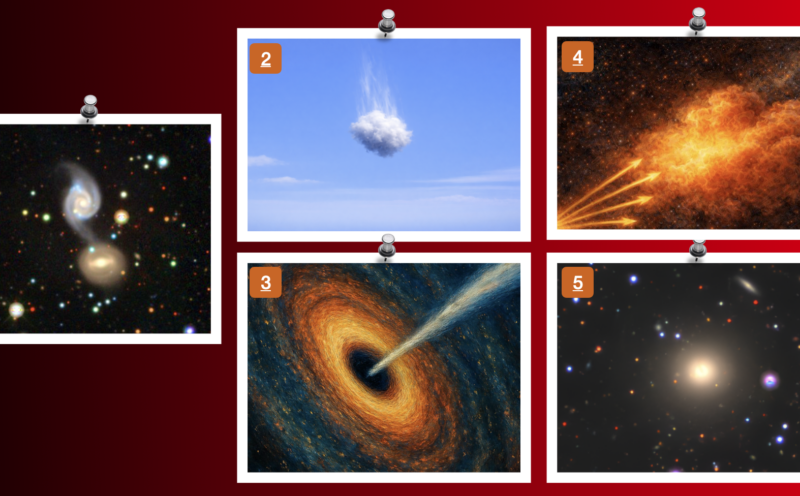
How quiet galaxies stay quiet: cool gas feeds black holes in ‘red geysers’
New paper led by UC Santa Cruz undergraduate suggests that long-dormant galaxies deemed to be dead may actually be stunted by the dynamics of supermassive black holes at their center
-
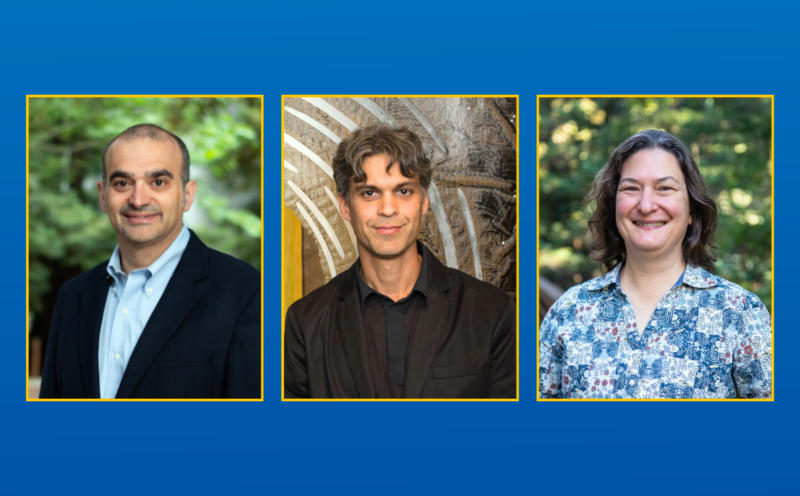
American Astronomical Society honors four UC Santa Cruz affiliates
At this week’s national gathering, astronomy and astrophysics professors Bryan Gaensler, Enrico Ramirez-Ruiz, and Connie Rockosi were honored for outstanding contributions to the field, as was alumna Kathryn Johnston
-
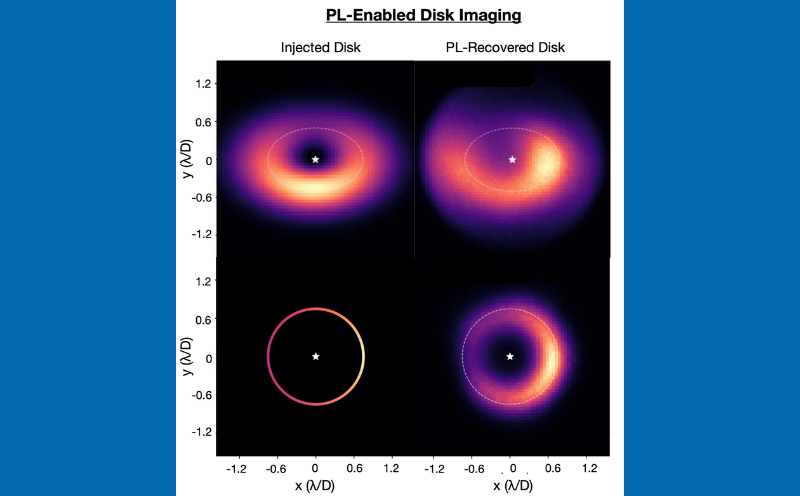
Advanced telescope instrument for observing planet formation to be created at UC Santa Cruz
World’s first facility-grade ‘astrophotonics’ instrument to be deployed at Lick Observatory
-
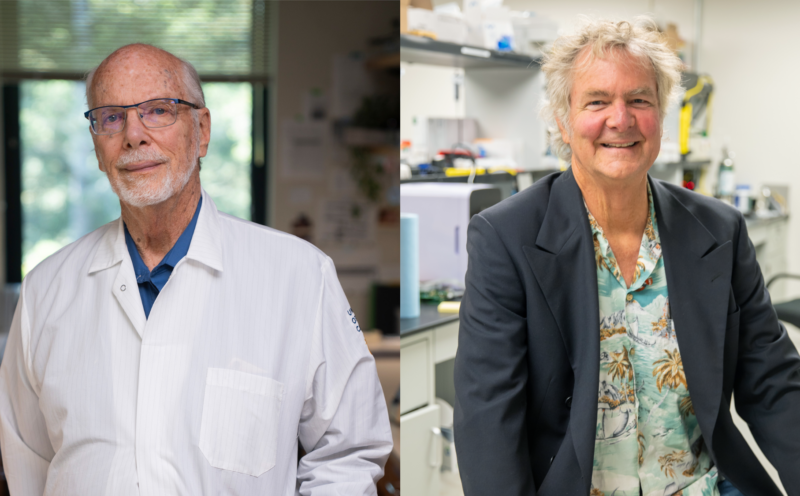
David Deamer and David Haussler elected Fellows of the National Academy of Inventors
The recognition is the highest professional distinction awarded to academic inventors.
-
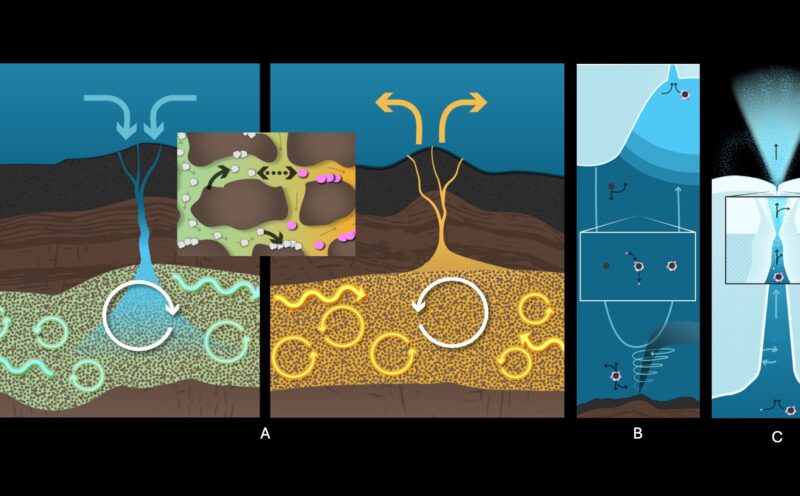
UC Santa Cruz joins NASA project probing ocean worlds for signs of life
Earth and planetary sciences professor Andrew Fisher will lead hydrogeology simulations to study how water, heat, and chemicals circulate between rocky seafloors and subsurface oceans on worlds like Europa and Enceladus
-
 Arts & Culture, Campus News, Climate & Sustainability, Earth & Space, Health, Social Justice & Community, Student Experience, Technology
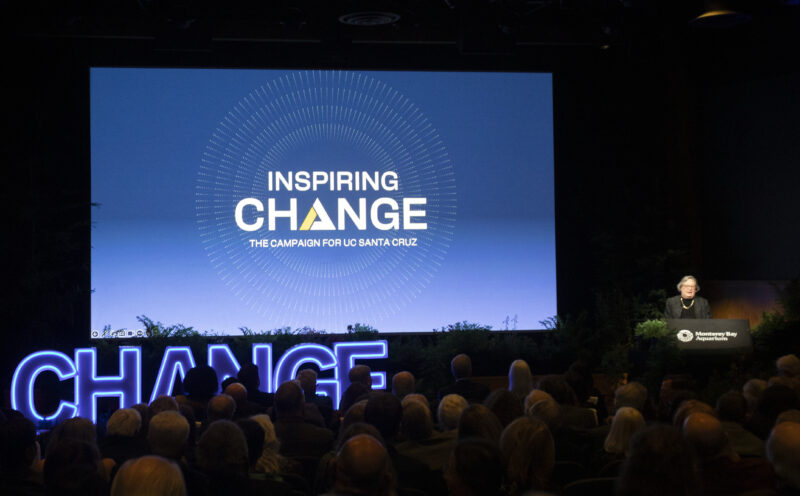
Inspiring Change: UC Santa Cruz launches $750M campaign
The campaign is a collective effort to raise funding to accelerate the campus’s groundbreaking discoveries, create real, lasting solutions to some of the world’s most consequential challenges, and amplify the next generation of leaders and scholars.
-
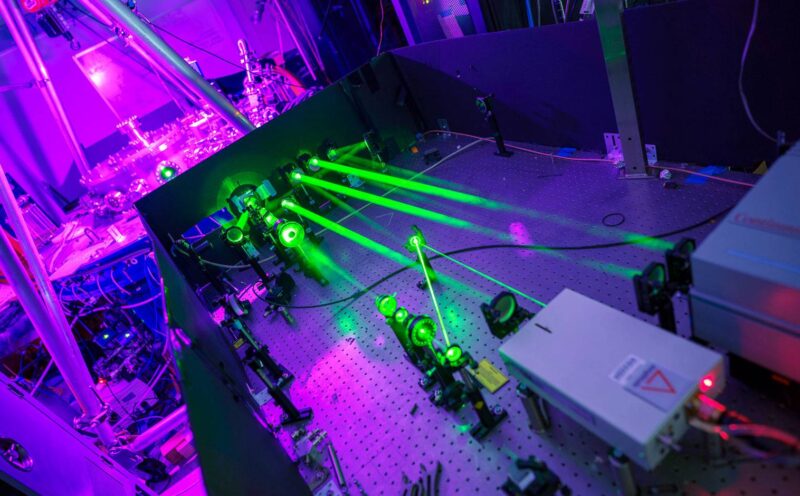
UC Santa Cruz scientists to develop diamond-based sensors to monitor fusion-energy generation
Diamonds can withstand the extreme radiation inside the reactor of a nuclear power plant