Genomics
-

New AI tool detects hidden cancer mutations
UC Santa Cruz researchers unveil DeepSomatic, a deep learning method that will help make genomic sequencing a routine part of how cancer is diagnosed and treated
-
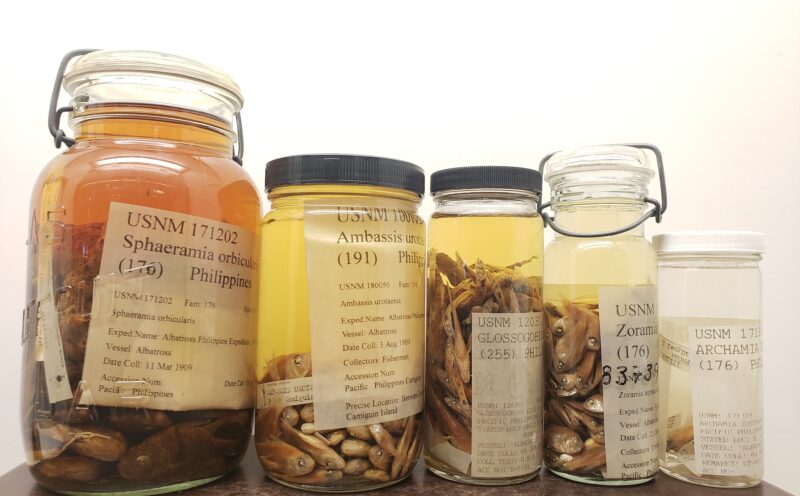
High-proof alcohol preserved century-old fish DNA to enable ‘genomic time travel’
Unusual preservative in specimen jars proved to be a sweet solution for studying changes in genetic diversity among fish populations in the Philippines since the early 1900s
-

New AnVIL Data Explorer makes valuable datasets more accessible for health research
The web-based tool allows scientists to make the most of past research investments by making it easy to find and use already-collected genomic datasets and is expected to accelerate discovery for conditions like cancer, rare disease, and Alzheimer’s.
-

New software promises to make precision genome editing with CRISPR accessible to more researchers
Integration into widely used UCSC Genome Browser makes tool available to entire life-sciences community
-
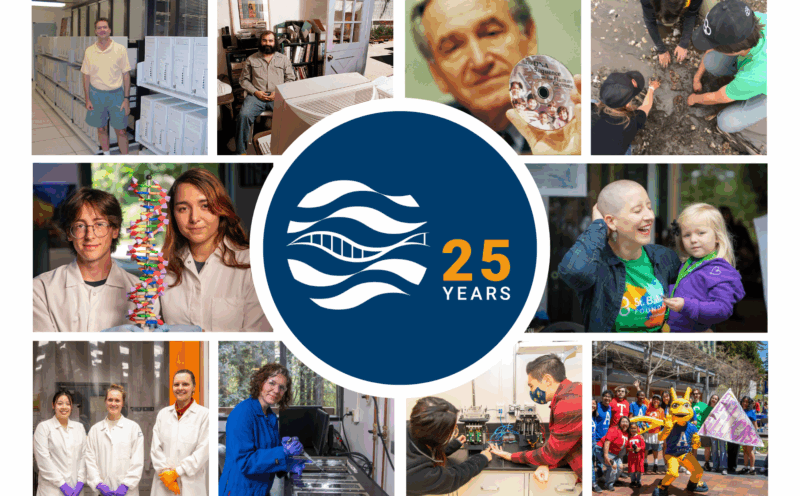
Twenty-five years after the human genome project, a new era is dawning
Today, genomics is saving countless lives and even entire species, thanks in large part to a commitment to collaborative and open science that the Human Genome Project helped promote.
-

Genome of a 28-eyed jellyfish could provide insight on evolution of vision
The Macias-Muñoz lab and collaborators have sequenced the genome of a unique species of jellyfish to better understand the origins of sight.
-
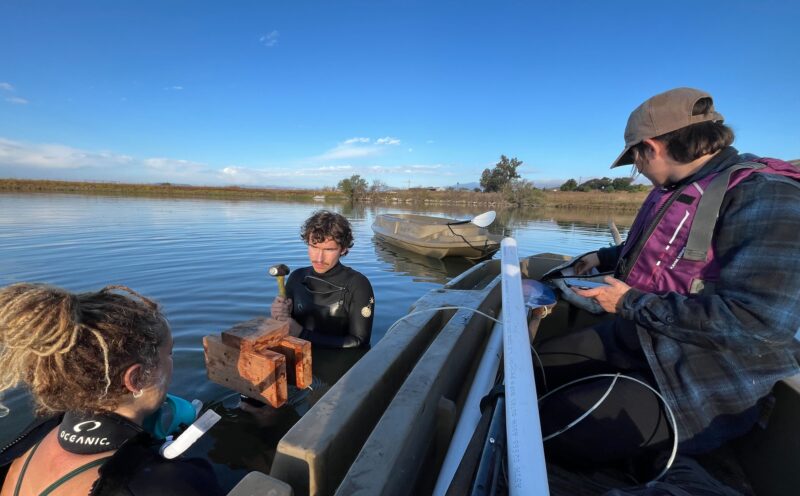
Digital platform for tracing DNA of rare species, pathogens in environment comes to Canada
UC Santa Cruz’s eDNA Explorer secures $1 million to bring ecosystem-assessment tool to British Columbia
-
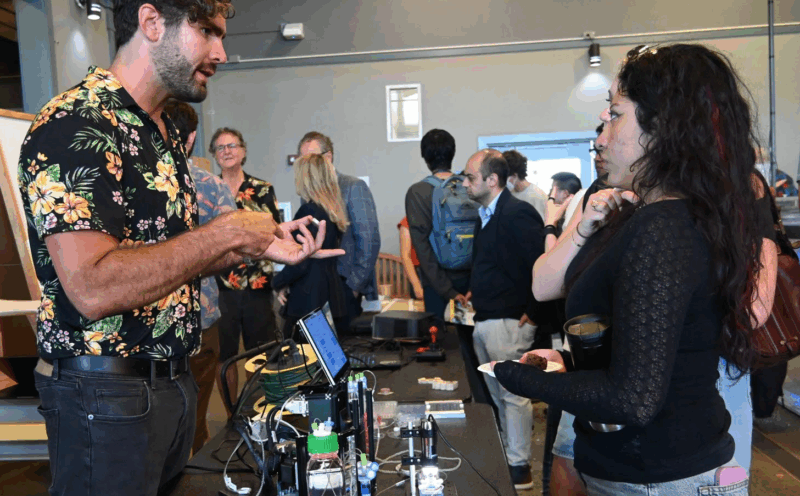
Symposium Celebrates 25 Years of Genomics Breakthroughs
The UC Santa Cruz Genomics Institute celebrated the 25 year anniversary of the human genome draft sequence and UCSC Genome Browser with a symposium celebrating the future of genomics in medicine
-
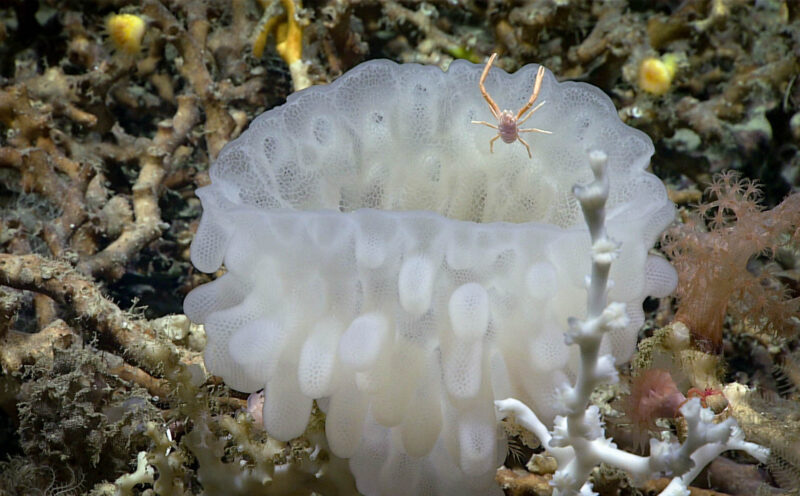
‘Selfish’ genes called introners proven to be a major source of genetic complexity
UC Santa Cruz researchers are studying the ways certain genetic elements hide and make copies of themselves, so they can propagate within a species’ DNA, or even hop from one species to an unrelated one in a process called “horizontal gene transfer.”
-

Following Late Pleistocene horse migration toward our sustainable future
Cutting-edge UC Santa Cruz Paleogenomics Lab was key to genetically tracing mass movements long ago
-

UCSC Genome Browser alumni profile: Melissa Cline
Melissa Cline is a prominent figure in the field of cancer genomics and currently manages the BRCA Exchange, the largest public resource for knowledge on genetic variations that influence heritable breast, ovarian, prostate, and pancreatic cancers.
-

Ancient DNA research aids de-extinction efforts and reveals surprising dire wolf ancestry
UC Santa Cruz scientists worked with Colossal Biosciences to help reveal secrets in the dire wolf genome that contributed to what the startup is calling the world’s first de-extinction