COVID 19
-

‘Staycation,’ all I ever wanted
With travel restricted because of COVID-19, UC Santa Cruz aims to keep on-campus students entertained with a spring break ‘staycation’ featuring themed dining nights, scavenger hunts, kayak tours, and more during the week of March 20–27.
-

Disrupting harmful food systems to prevent future pandemics
Assistant Professor of Environmental Studies Maywa Montenegro de Wit is exploring how lessons from the abolition movement could help agroecology combat the agro-industrial complex to prevent future pandemics.
-
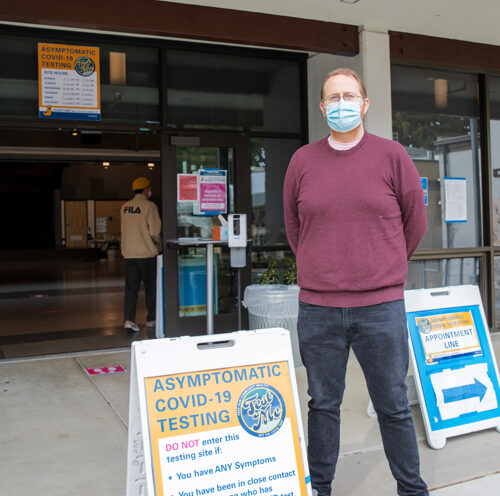
As pandemic hit, conferences manager pivoted to health care
Michael Luttrell now oversees a staff of 62 students, who have been trained to help facilitate testing of asymptomatic students.
-
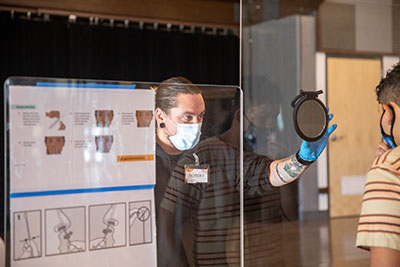
TestMe: Slugs rise to the challenge of helping to keep the campus community healthy
More than five dozen hardworking Banana Slugs are a key element of UC Santa Cruz’s TestMe asymptomatic testing program, which has administered more than 56,000 COVID-19 tests of students, staff, and faculty since the project’s inception in September 2020.
-

COVID and the road ahead
UC Santa Cruz infectious disease expert A. Marm Kilpatrick looked toward the future during his immersive Kraw Lecture about COVID vaccines, variants and the road ahead.
-
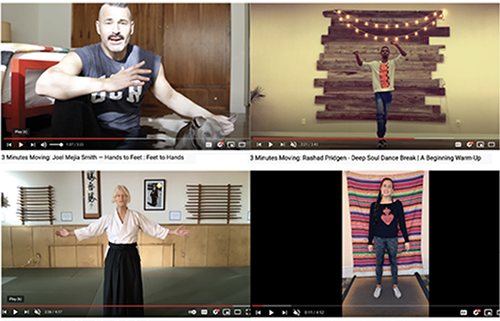
Bringing physical engagement into the online teaching and learning environment
A new series of videos is now available to UCSC students, faculty, and staff to help offset the increasingly sedentary lifestyle generated by the Covid-19 pandemic.
-
Pandemics expert urges vigilance as COVID-19 variants spread
Alumna and Pulitzer Prize–winning journalist Laurie Garrett sounds urgency about the need for an all-out race to stay ahead of highly contagious COVID variants in the U.S.
-

UCSC expands COVID-19 testing during surge to support community needs
A gift from Bud and Rebecca Colligan will expand testing capacity and help fund a new, dedicated laboratory space to house the diagnostic lab in the Genomics Institute’s facilities at the Westside Research Park.
-
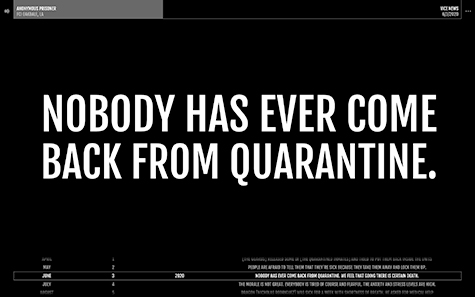
UCSC arts professor documents spread of COVID-19 inside prisons, jails, and detention centers
A new Interactive web project by film and digital media professor Sharon Daniel creates a cumulative public record and evolving history of the pandemic’s impact on those incarcerated
-
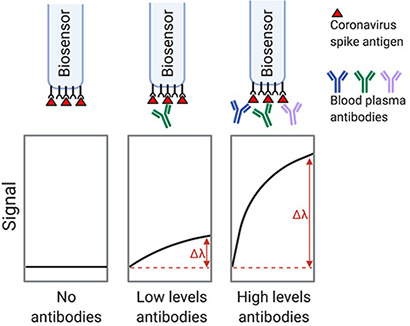
New serological assay provides rapid, accurate testing for SARS-CoV-2 antibodies
Using optical biosensor technology, the test provides quantitative measurements of antibodies in blood plasma in less than 20 minutes.
-

Surge in online grocery shopping brings a quantity-over-quality jobs shift
The coronavirus pandemic has accelerated emerging labor market trends associated with e-commerce in the grocery industry, creating mixed implications for jobs, according to a new report led by UCSC professor Chris Benner.
-

Marine mammals’ adaptations to low oxygen offer new perspective on COVID-19
Humans are poorly adapted for oxygen deprivation, making us vulnerable to long-term effects from a disease that disrupts the body’s oxygen supply pathway.