BE-genomics
-
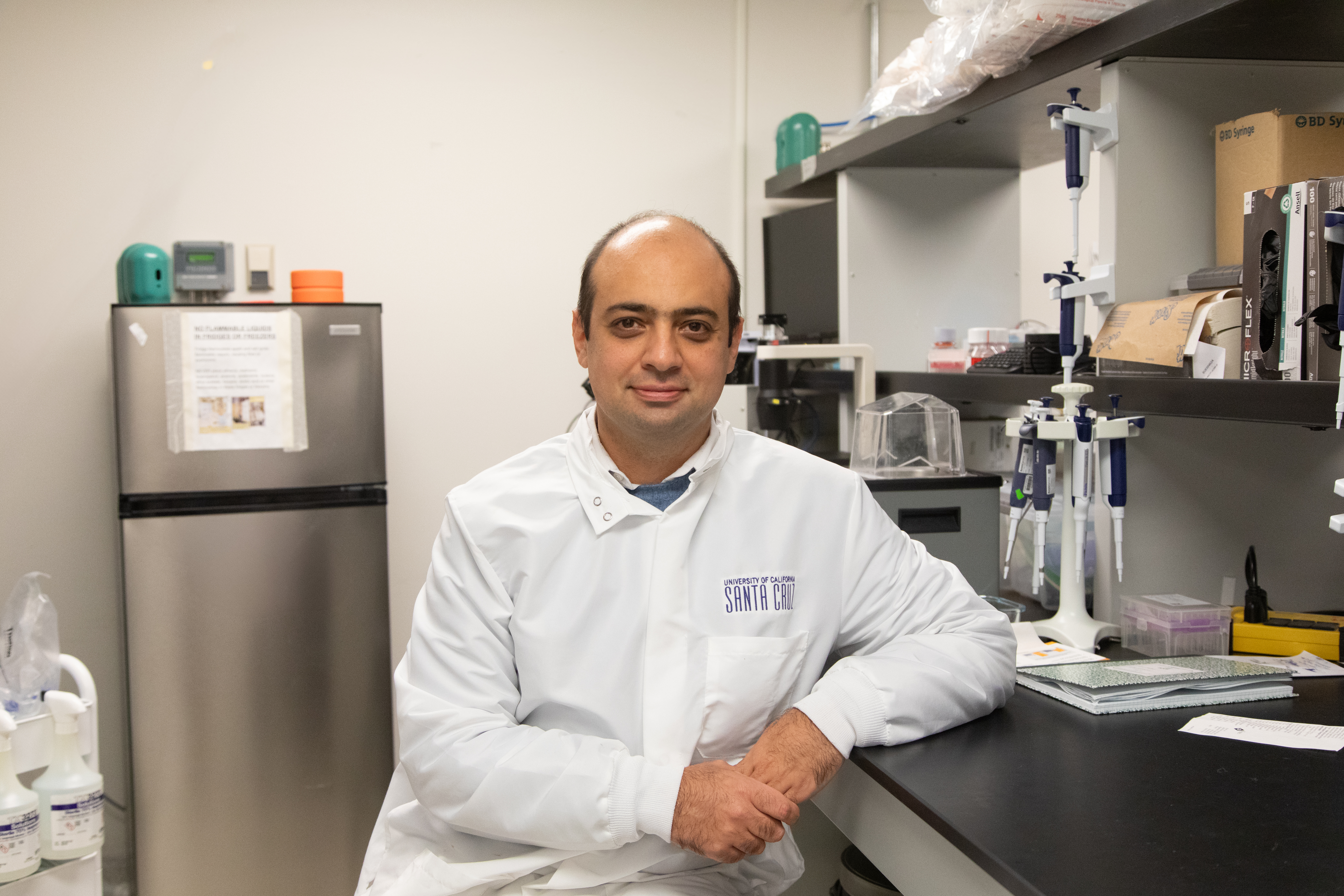
Grant funds research to identify drug targets for autism and schizophrenia using human stem cell models
The research aims to uncover the molecular and cellular mechanisms underlying autism and schizophrenia and to identify drug targets for both conditions.
-
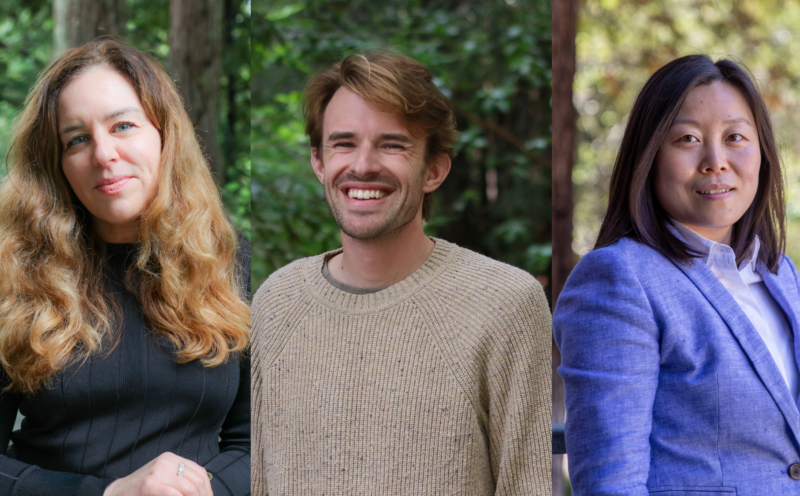
Three UC Santa Cruz professor-student teams win Keck Foundation funding
The program provides funds to support the career trajectories of early- to mid-career faculty and their graduate students.
-
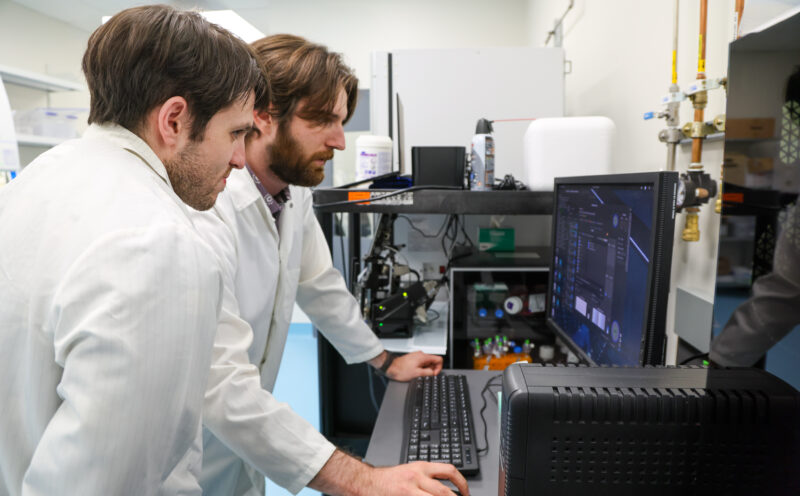
Brain organoids can be trained to solve a goal-directed task
UC Santa Cruz researchers are exploring how brains learn, adapt, and improve, which could help us better understand and address neurological conditions.
-
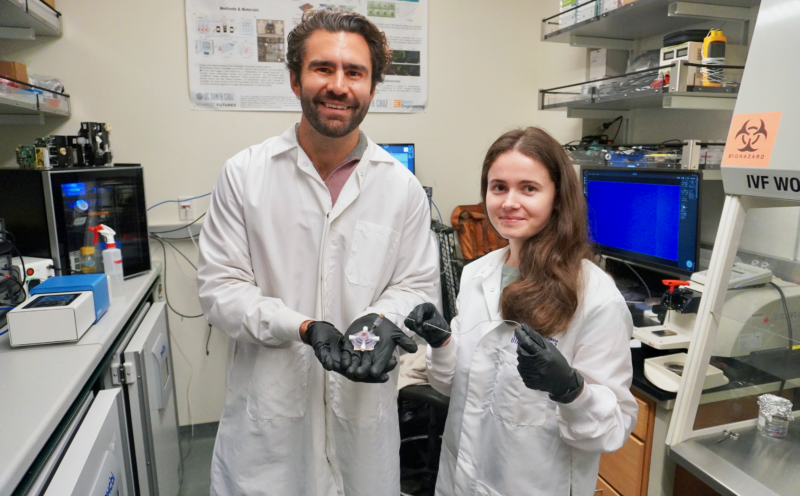
‘Petri Dish 2.0’: A new startup is bringing automation to biology’s most tedious tasks
Open Culture Science, a revolutionary new startup out of the UC Genomics Institute’s Braingeneers group, aims to accelerate the pace of biological research with their patented technology.
-
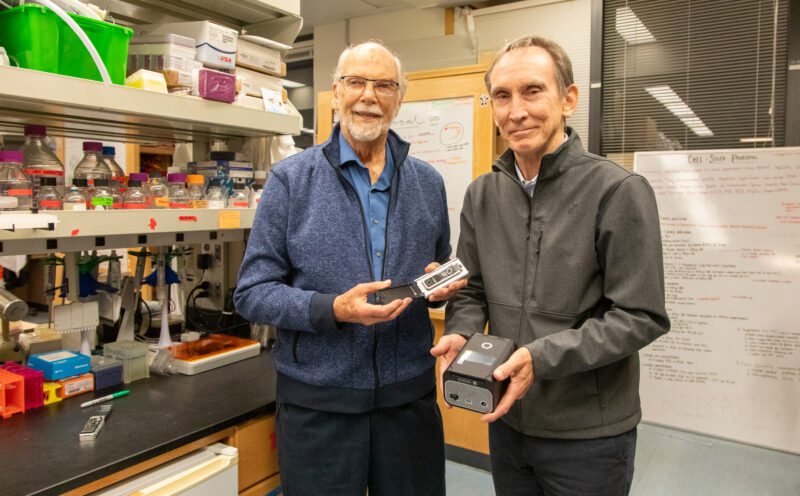
Meet UC Santa Cruz entrepreneurs creating jobs and sparking innovation
As we enter entrepreneurship month this November, we’re celebrating the professors and alumni who are fueling job creation and creating opportunity
-

New AI tool detects hidden cancer mutations
UC Santa Cruz researchers unveil DeepSomatic, a deep learning method that will help make genomic sequencing a routine part of how cancer is diagnosed and treated
-
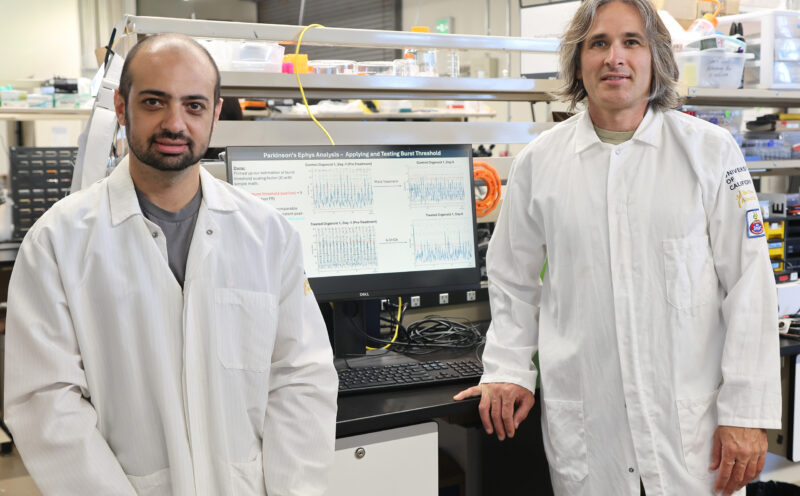
Grants to support brain organoid research on neuropsychiatric and developmental conditions
Two researchers received two-year grants from The Brain & Behavior Research Foundation.
-

New AnVIL Data Explorer makes valuable datasets more accessible for health research
The web-based tool allows scientists to make the most of past research investments by making it easy to find and use already-collected genomic datasets and is expected to accelerate discovery for conditions like cancer, rare disease, and Alzheimer’s.
-
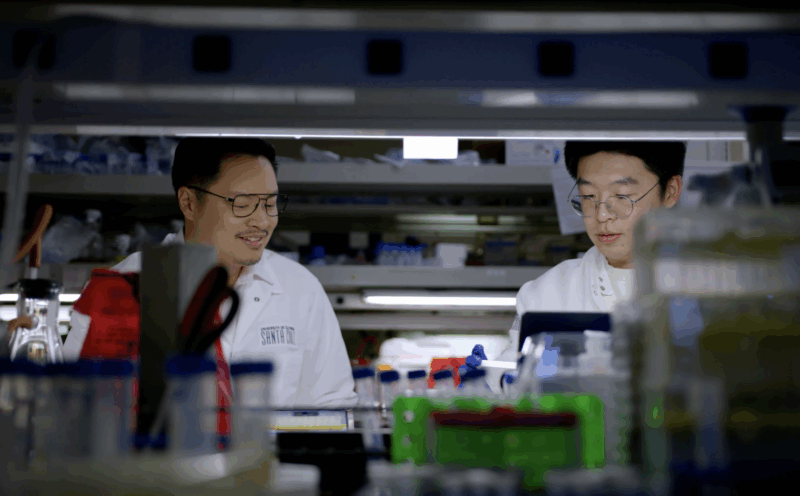
Artificial biosensor can better measure the body’s main stress hormone
This research paves the way for point-of-care cortisol testing and diagnoses.
-

New software promises to make precision genome editing with CRISPR accessible to more researchers
Integration into widely used UCSC Genome Browser makes tool available to entire life-sciences community
-
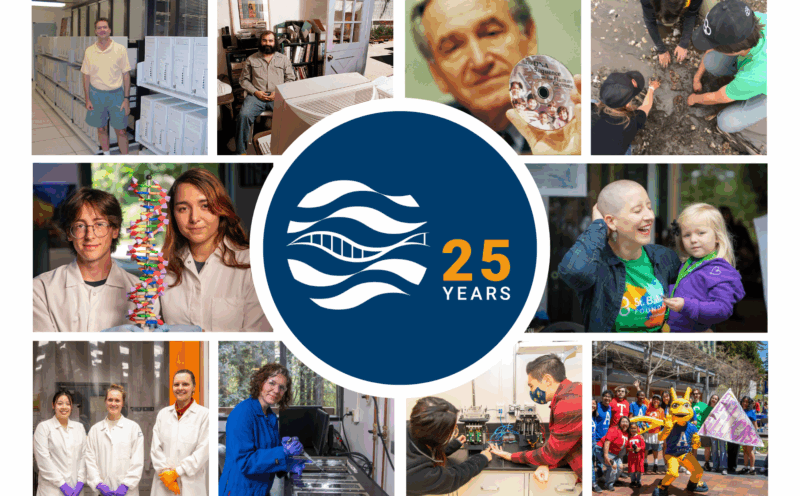
Twenty-five years after the human genome project, a new era is dawning
Today, genomics is saving countless lives and even entire species, thanks in large part to a commitment to collaborative and open science that the Human Genome Project helped promote.
-

‘Selfish’ genes called introners proven to be a major source of genetic complexity
UC Santa Cruz researchers are studying the ways certain genetic elements hide and make copies of themselves, so they can propagate within a species’ DNA, or even hop from one species to an unrelated one in a process called “horizontal gene transfer.”