BE-genomics
-
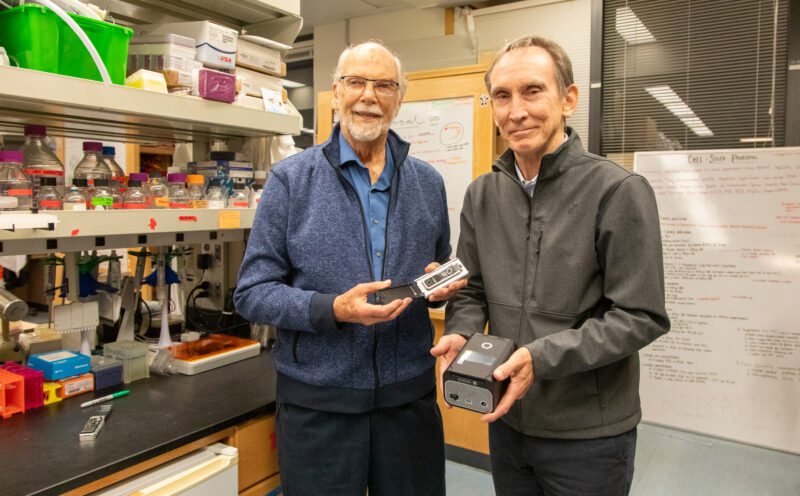
Meet UC Santa Cruz entrepreneurs creating jobs and sparking innovation
As we enter entrepreneurship month this November, we’re celebrating the professors and alumni who are fueling job creation and creating opportunity
-
New AI tool detects hidden cancer mutations
UC Santa Cruz researchers unveil DeepSomatic, a deep learning method that will help make genomic sequencing a routine part of how cancer is diagnosed and treated
-
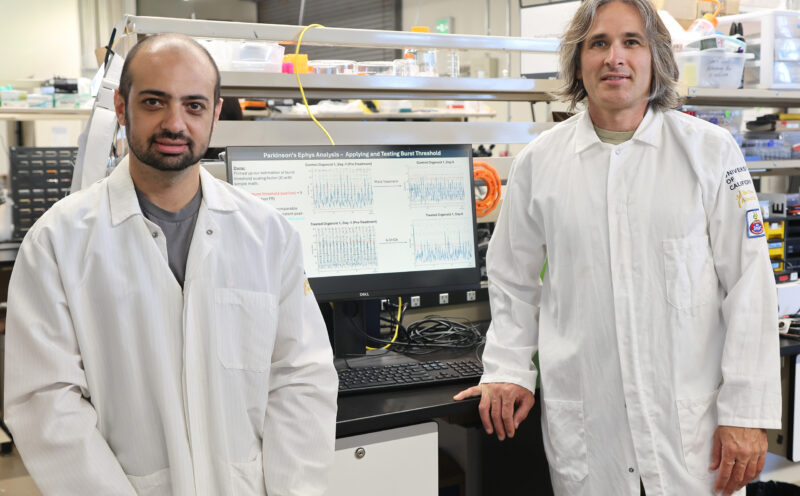
Grants to support brain organoid research on neuropsychiatric and developmental conditions
Two researchers received two-year grants from The Brain & Behavior Research Foundation.
-
Artificial biosensor can better measure the body’s main stress hormone
This research paves the way for point-of-care cortisol testing and diagnoses.
-

New software promises to make precision genome editing with CRISPR accessible to more researchers
Integration into widely used UCSC Genome Browser makes tool available to entire life-sciences community
-
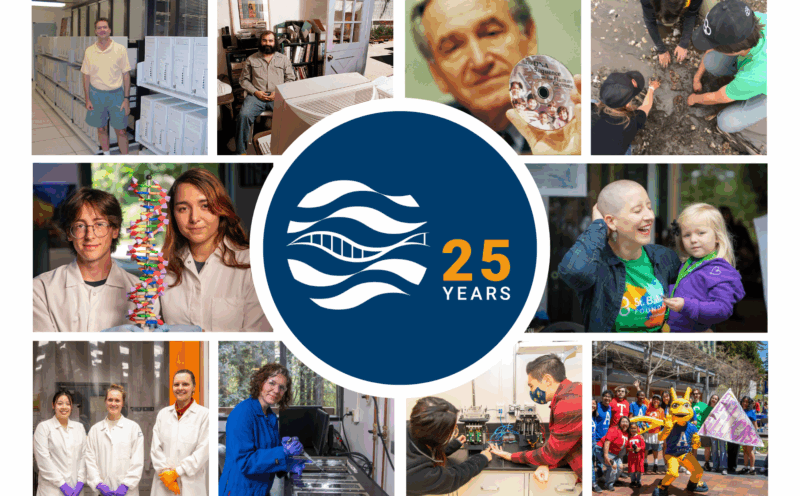
Twenty-five years after the human genome project, a new era is dawning
Today, genomics is saving countless lives and even entire species, thanks in large part to a commitment to collaborative and open science that the Human Genome Project helped promote.
-
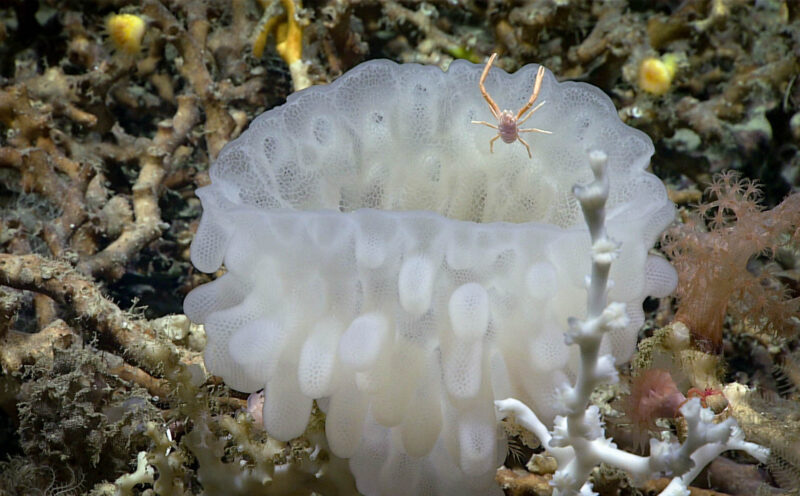
‘Selfish’ genes called introners proven to be a major source of genetic complexity
UC Santa Cruz researchers are studying the ways certain genetic elements hide and make copies of themselves, so they can propagate within a species’ DNA, or even hop from one species to an unrelated one in a process called “horizontal gene transfer.”
-

Reimagined undergrad class teaches students entire DNA sequencing process using cutting-edge devices
A biomolecular engineering course has recently been redesigned to give students experience with the entire process of DNA sequencing, from sampling to data analysis, using the latest nanopore devices from Oxford Nanopore Technologies.
-
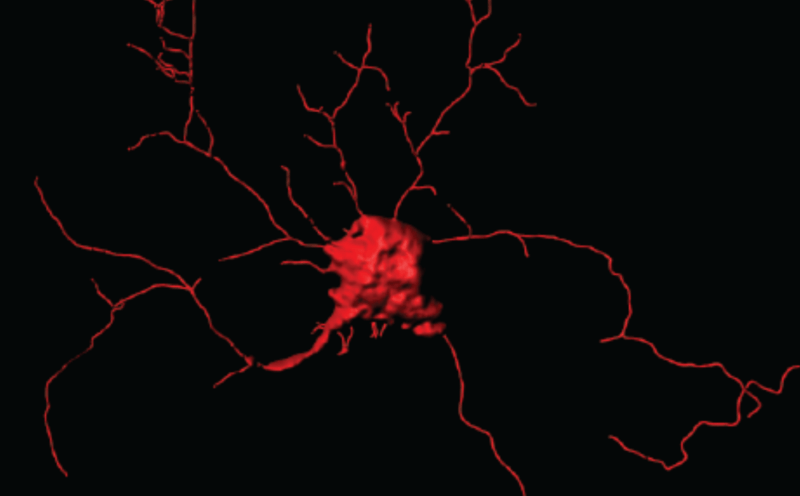
Brain cells are more plastic than previously thought, study shows
Using in-vitro models of a specific type of brain cell, scientists show that neurons are capable of changing from one type to another
-

Scientists program stem cells to mimic first days of embryonic development
Their “programmable” embryo-like structures, also known as embryoids, can be used to study the role of certain genes in early development
-
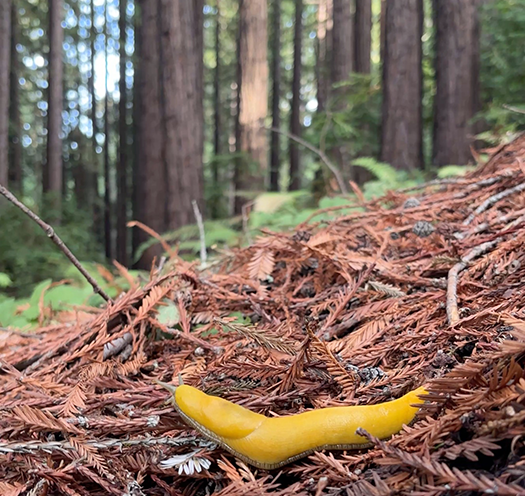
UC Santa Cruz scientists slither into the history books with first complete genome of a banana slug
Not only is the banana slug the endearing mascot for UC Santa Cruz — making the project fitting for campus researchers — but the slugs’ unique slime was a particularly challenging undertaking for UCSC’s experts in genomics.
-
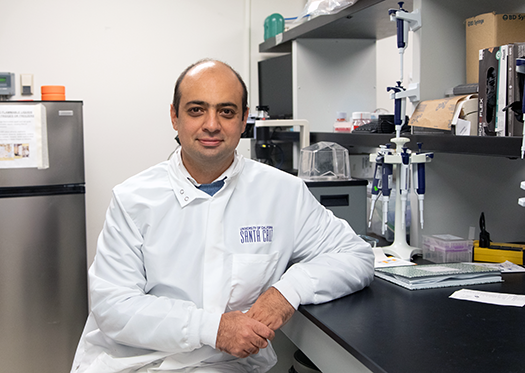
New grant funds effort to uncover therapeutic targets for neuropsychiatric disorders
A $10.3 million grant from the California Institute for Regenerative Medicine (CIRM), the state’s stem cell agency, will fund a multi-UC effort to better understand neuropsychiatric disorders.