voelze
-
 Arts & Culture, Campus News, Climate & Sustainability, Health, Social Justice & Community, Technology
Nine major wins worth celebrating for 2025
From amazing research discoveries to high-impact new education and fundraising initiatives, UC Santa Cruz created significant positive change, despite headwinds
-

Where were enslaved Africans taken from? The answer could be hidden in their bones.
Anthropology Professor Vicky Oelze's groundbreaking map of strontium isotopes found across sub-Saharan Africa could help descendants of enslaved people reconstruct their family histories. By comparing strontium values found in a person's remains to strontium values across a landscape, scientists can gauge where that person is most likely from. "Individual histories are completely erased" by the slave trade, says…
-

Strontium: the metal with remarkable powers to help track ancestral roots
A new strontium isotope map of Sub-Saharan Africa developed by Anthropology Professor Vicky Oelze could help descendants of the transatlantic slave trade to finally trace their roots. So far, the map has been used to precisely trace the origins of two people found in the Anson Street African Burial Ground: Kuto and Banza (both named…
-

Pinpointing the origins of people taken from Africa for the slave trade
Anthropology Professor Vicky Oelze explained that, in the past, archaeologists who worked on ‘slave cemeteries’ in the African Diaspora could only use isotope ratios and genetic analysis to identify that an individual must have been born and raised somewhere on the African continent. “Now, with strontium isotopes being mapped for most of sub-Saharan Africa, we…
-

An African strontium map sheds light on the origins of enslaved people
Anthropology Professor Vicky Oelze and colleagues spent more than a decade amassing nearly 900 environmental samples from 24 African countries and combined those measurements with other published data to create a strontium map of sub-Saharan Africa and have demonstrated how it can be used to shed light on the transatlantic slave trade.
-
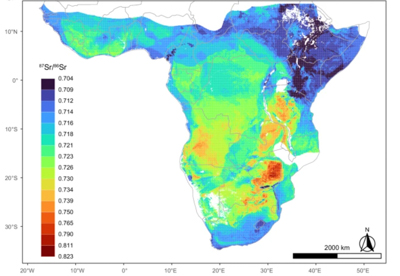
New strontium isotope map of Sub-Saharan Africa is a powerful tool for archaeology, forensics, and wildlife conservation
Researchers mapped predicted bioavailable strontium isotope ratios across most of the African continent. Matching values from the map against those observed in artifacts and plant, animal, and human remains will help to identify their most likely regions of origin within Africa.
-

A New Project Uses Isotopes to Pinpoint the Birthplaces of the Enslaved
Smithsonian Magazine covered research by Associate Professor of Anthropology Vicky Oelze that's using stable isotope analysis to hone in on the regions of origin for enslaved African people who were buried at the Anson Street Burial Ground in South Carolina.
-
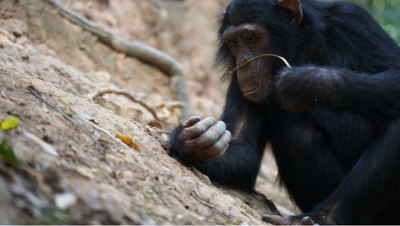
Fishing chimpanzees found to enjoy termites as a seasonal treat
A UCSC-led research team that copied chimpanzee tools and techniques showed that chimpanzees living in western Tanzania can only reliably fish for termites in the early wet season.
-
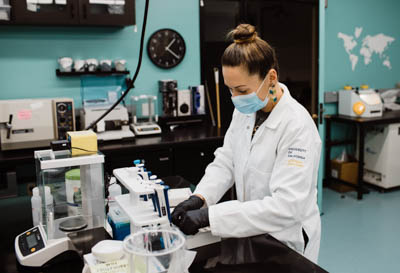
New stable isotope map of Angola helps archaeologists trace individual life histories across the African Diaspora
UCSC researchers’ methods could provide significantly more detail and certainty in identifying first-generation enslaved individuals in the Americas and tracing back their origins within Africa than was previously possible through strontium isotope analysis work or genetic analysis.
-
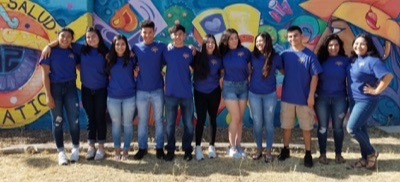
Two programs will support undergrads in research, service learning, and peer mentoring
Undergraduates in the Division of Social Sciences will soon benefit from two programs that will provide paid opportunities to do research, engage in service learning, and mentor their peers.
-
Using isotopes to reconstruct life histories within the transatlantic slave trade
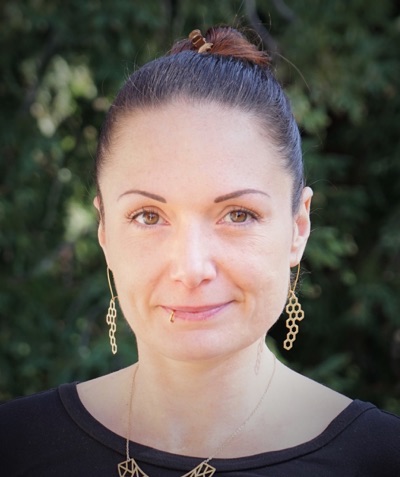
Four hundred years after the displacement of millions of Africans began, anthropologist Vicky Oelze wants to use isotope biogeochemistry to trace back and identify the origins of individuals who were abducted and perished in the Americas.
-
NSF funds innovative stable isotope equipment at UC Santa Cruz
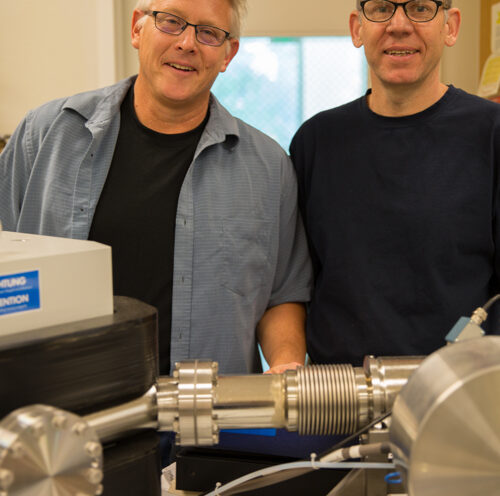
The new equipment will support research across a wide range of disciplines, ranging from oceanography and earth science, paleontology, anthropology, ecology and fundamental biochemical cycle research.