scwinton
-

Scientists push for greater climate role for Latin America’s overlooked ecosystems
Lead author Scott Winton, an ecologist from the University of California, Santa Cruz, in the U.S., carried out three years of extensive fieldwork to produce the first data-driven map of recently documented and predicted peatlands in Colombia’s Orinoquía and Amazonian regions.
-

La porcícola que se come los bosques en el Meta
In the gallery forests of the Orinoquía, wetlands that do not dry out “have enormous potential to help or hinder global efforts to address climate change,” says Scott Winton, a professor at UC Santa Cruz, who discovered that “the average carbon density per area in peatlands is four to ten times greater than in the…
-
Los ecosistemas invisibles en la lucha contra la crisis climática
Scott Winton, ecólogo de la Universidad de California Santa Cruz, llevó a cabo tres años de extenso trabajo de campo para desarrollar el primer mapa basado en datos de turberas recientemente documentadas y previstas en los Llanos Orientales y la Amazonía colombiana.
-

Birdwatching tourism is booming. Some countries are benefiting, while others are left behind
Birding tourism can support sustainable development and habitat conservation across the tropics, but only if countries can successfully attract birders. New research reveals what affects birdwatchers’ choice of destinations.
-

Las turberas: el desconocido ecosistema que puede almacenar hasta 10 veces más carbono que los bosques amazónicos y que existe en Colombia
Colombian newspaper El Tiempo interviewed Environmental Studies Professor Scott Winton and Ph.D. student Edmundo Mendoza about their research uncovering peatlands across Colombia that provide important carbon sequestration ecosystem services.
-
New research finds substantial peat deposits in Colombia’s conflicted Amazon
Research led by Assistant Professor of Environmental Studies Scott Winton found that Colombia may have extensive peatlands, sequestering an amount of carbon equivalent to 70 years worth of the country’s emissions.
-
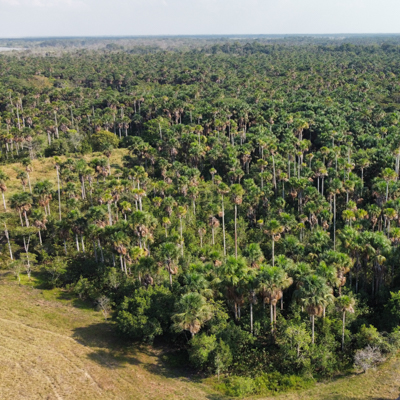
Colombia’s peatlands could be a crucial tool to fight climate change. But first we have to find them.
Assistant Professor of Environmental Studies Scott Winton conducted three years of extensive fieldwork to develop the first data-driven map of both newly documented and predicted peatlands across Colombia’s eastern lowlands.
-

We thought these places were useless. They may help save the world.
Assistant Professor of Environmental Studies Scott Winton explained how the soggy, anoxic environment of peatlands make them ideal for sequestering carbon from organic matter. “Those organisms that would break down organic matter and decompose it and recycle it back into nutrients and CO2, they can’t work efficiently. And so the organic matter tends to pile up.”