psarker
-

Fishmeal and fish oil alternatives are here but a greater scale is needed for true impact
“Eighty seven percent of fishmeal and 74 percent of fish oil are consumed by the aquaculture feed industry, and the salmon sector is the largest user of both,” Assistant Professor Pallab Sarker at UC Santa Cruz told the Advocate. “This use of wild-caught fish to raise carnivorous species is concerning because of the depletion of…
-

In the Arizona desert, a farm raising fish raises questions about water use
The seafood industry needs to reduce its reliance on catching small wild fish to feed bigger farmed ones that humans eat, said Pallab Sarker, an assistant professor at the University of California, Santa Cruz, who studies sustainability in the aquaculture industry. He said seabirds and mammals rely on small species like anchovies and mackerel commonly…
-

UC Santa Cruz research finds viable alternative to using wild-caught ingredients in fishmeal
Researchers at UC Santa Cruz successfully developed an aquaculture feed for rainbow trout that removes fishmeal entirely, substituting it with leftover marine microalgae sourced from the human dietary supplement industry.
-

New study shows how microalgae could help advance sustainable trout farming
Researchers at UC Santa Cruz created a successful experimental aquaculture feed formulation for rainbow trout that fully replaces traditional fishmeal ingredients sourced from wild-caught fish with leftover marine microalgae from the human dietary supplement industry. Their findings support efforts to increase the variety and quality of fish-free feed options, so that aquaculture can expand food…
-

Could power plants fuel alternative aquafeeds?
Aquaculture news organization The Fish Site covered new research by Assistant Professor of Environmental Studies Pallab Sarker that will study whether microalgae grown using power plant emissions could be an effective ingredient in feed for trout. Additional coverage in All About Feed.
-

Research partnership will turn power plant emissions into fish feed
UC Santa Cruz’s ecological aquaculture research team will partner with the company Global Algae Innovations to test whether a microalgae grown using captured carbon dioxide emissions could be an effective feed ingredient for rainbow trout.
-
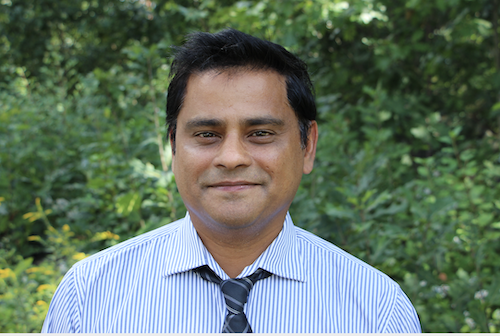
Grant funds Sarker’s aquaculture sustainability research
Pallab Sarker received a foundation grant fund from the Cynthia and George Mitchell Foundation, amounting to $170,947 over three years to strengthen his lab’s ecological aquaculture work.
-

New research on aquaculture feed will test alternative ingredients to help minimize water pollution
A new grant will support UC Santa Cruz’s ecological aquaculture lab in their efforts to increase the variety and quality of low-polluting aquaculture feed options available to fish farmers.
-

UCSC Researchers Win Grant to Develop More Sustainable Aquaculture
Environmental Studies Professor Anne Kapuscinski and Associate Research Professor Pallab Sarker talked with Good Times about their new aquaculture research facility at the UCSC Farm and shared what's next in their work to develop more sustainable aquaculture feed.
-

Scientists develop sustainable ‘game-changer’ fish feed that does not contain fish
One of the UK's top newspapers, iNews, covered a breakthrough in sustainable aquaculture research from Anne Kapuscinski and Pallab Sarker, of the UC Santa Cruz Environmental Studies department. This research was also covered within the U.S. by UPI.
-

Grant funding will advance aquaculture research in UCSC’s new state-of-the-art facility
Researchers won a USDA grant in support of their efforts to develop ocean-friendly feed formulas for farm-raised rainbow trout. This work will take place in the team’s new aquaculture facility at the UCSC Farm.
-

Taking fish out of fish feed can make aquaculture a more sustainable food source
Pallab Sarker, an associate research professor in environmental studies, wrote an article for The Conversation about the recent breakthrough in sustainable aquaculture feed that he and professor Anne Kapuscinski made from their ecological aquaculture lab.