myraf
-

California Condors Are Still Dying—Despite a Lead Ammo Ban
“Condors are very long-lived, so very small changes in their survival rate can make big differences on whether or not they will go extinct or not go extinct,” said Myra Finkelstein, an environmental toxicologist at UC Santa Cruz and senior author on the paper.
-
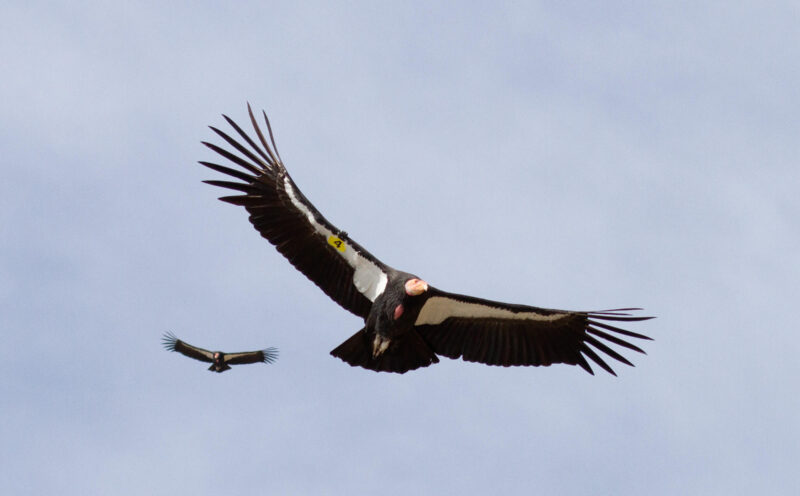
An adventurous vulture’s plight
Disturbing increases in toxic lead exposure are linked to wider foraging by the critically endangered California condor and more wild pigs being shot throughout the state, masking positive effects of outreach and lead-ammo bans
-

To save condors, conservation biologists take on a new role of advocating for easier access to ammo.
“It’s all about overall mortality. You want the population to be sustainable – you want more chicks in the wild to be born than to die,” says Myra Finkelstein, a professor of microbiology and environmental toxicology at UC Santa Cruz. The condor success story so far has relied on the birth part of the equation.…
-

An Ocean View, Pollution Included: Scientists at Rio Theatre Warn of Microplastics
UCSC adjunct and environmental toxicologist Dr. Myra Finkelstein spoke of her research on Midway Atoll in the South Pacific, which revealed dangerous amounts of plastic in the eggs and digestive tracts of seabirds such as albatross. “There is also a lot of evidence that humans are also ingesting microplastics,” she said.
-

Plastic is harming seabirds even more than we realized
A new study co-led by researchers at UC Santa Cruz shows that ingested plastic can release hormone-altering chemicals in northern fulmars, a species of seabird that inhabits the North Atlantic and North Pacific.
-
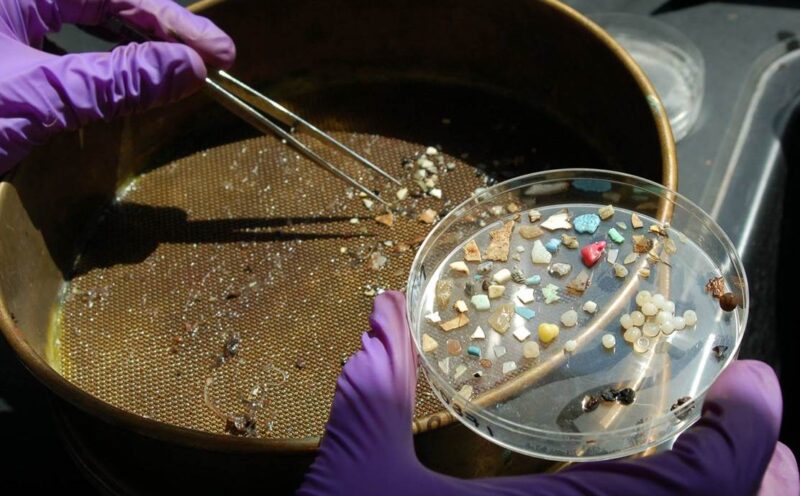
Ubiquitous plastics may trigger hormone disruption in seabirds, new study finds
Scientists show how ingested microplastics have similar effects on the endocrine systems of fulmars and humans