mteodore
-

Why the Most Powerful Computer of 2026 Might Be Made of Living Cells, Not Microchips
The researchers, led by Baskin School of Engineering Electrical and Computer Engineering (ECE) Ph.D. student Ash Robbins, ECE Professor Mircea Teodorescu, and Distinguished Professor of Biomolecular Engineering David Haussler, demonstrated their findings in a paper published in the journal Cell Reports.
-

Clumps of mouse brain cells can learn to play a virtual game
The organoids didn’t retain that knowledge for long, says cognitive neuroscientist Ash Robbins of the University of California, Santa Cruz. But ultimately, researchers hope that brain organoids can help them understand how healthy human brains learn, as well as how cognitive disorders such as Alzheimer’s disease impair this capacity.
-

Scientists Are Trying to Train Lab-Grown Brains. The Brains Have Started to Solve Problems.
In a new study published in the journal Cell Reports, a team of scientists from the University of California, Santa Cruz successfully trained a brain organoid, developed from mouse-derived stem cells, to solve an engineering benchmark known as the “cart-pole problem.”
-

Lab-Grown Brains Growing More Powerful
Scientists at the University of California, Santa Cruz are taking lab-grown mini-brains into their toddler era, after demonstrating that brain organoids can process information in real time.
-
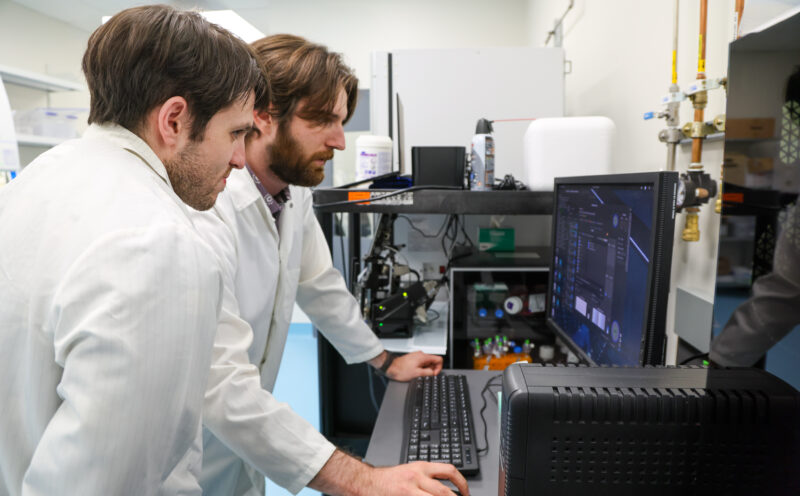
Brain organoids can be trained to solve a goal-directed task
UC Santa Cruz researchers are exploring how brains learn, adapt, and improve, which could help us better understand and address neurological conditions.
-
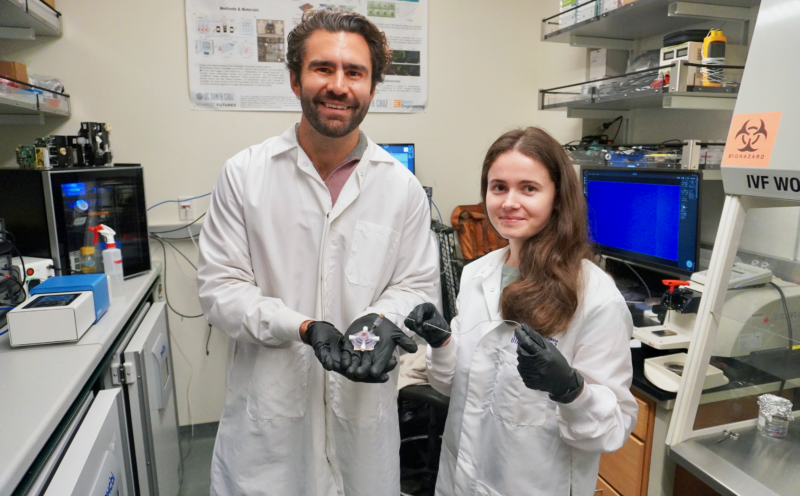
‘Petri Dish 2.0’: A new startup is bringing automation to biology’s most tedious tasks
Open Culture Science, a revolutionary new startup out of the UC Genomics Institute’s Braingeneers group, aims to accelerate the pace of biological research with their patented technology.
-
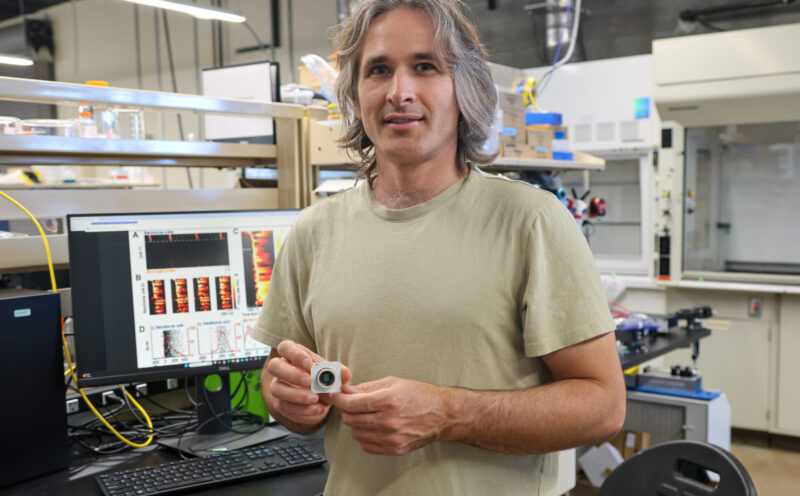
Effort aims to uncover the learning and reasoning potential of brain organoids
The Braingeneers team will test the ability of brain organoids to solve tasks in real time
-

UC Santa Cruz engineers unveil AI wearable to speed wound healing
KSBW features a-Heal, a wound-healing device developed by Professor of Electrical and Computer Engineering Marco Rolandi, Associate Professor of Electrical and Computer Engineering Mircea Teodorescu, Associate Professor of Applied Mathematics Marcella Gomez and collaborators at UC Davis.
-
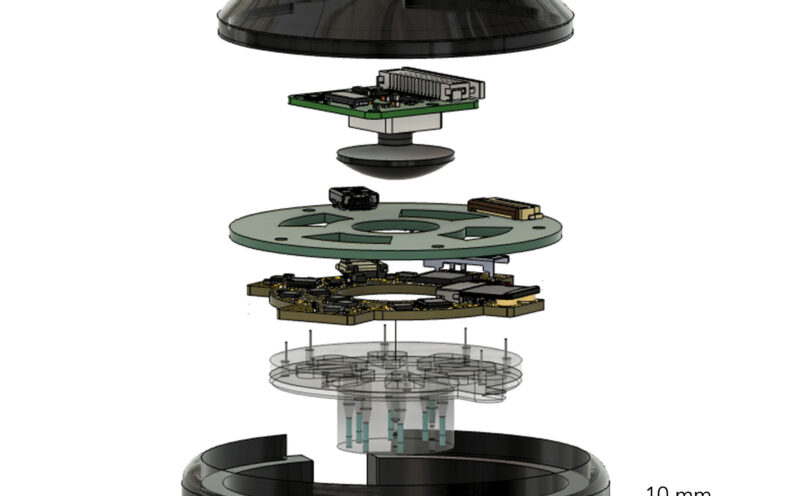
Smart device uses AI and bioelectronics to speed up wound healing process
A wearable device called “a-Heal,” designed by engineers at UC Santa Cruz, aims to optimize each stage of the wound healing process.
-
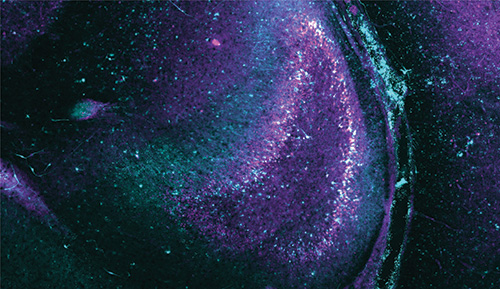
How optogenetics can put the brakes on epilepsy seizures
In what could one day become a new treatment for epilepsy, researchers at UC San Francisco, UC Santa Cruz, and UC Berkeley have used pulses of light to prevent seizure-like activity in neurons.
-
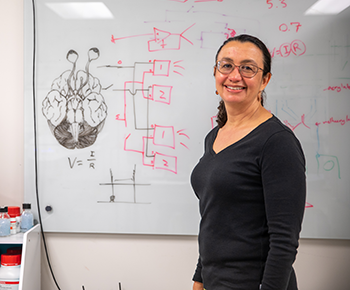
Researchers to investigate genetic roots of autism, look for new treatments
A new award from the California Institute for Regenerative Medicine will support a team of UC Santa Cruz researchers in exploring the genetic underpinnings of autism spectrum disorder.
-
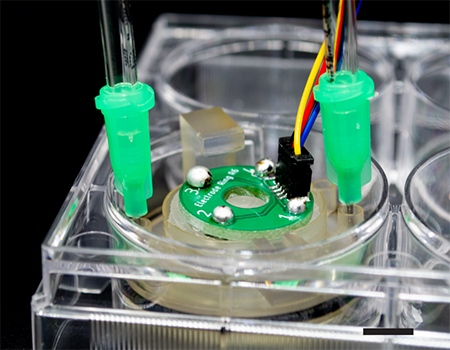
Bioelectronics enable precise control of organoids for better understanding of neuro diseases, neuron circuits
UC Santa Cruz researchers have developed a new plug-and-play bioelectronics system that enables researchers to precisely control neuronal activity in cortical organoids, which will help unlock new discoveries on how brains form neural circuits and the underpinnings of neurodevelopmental and degenerative diseases.