kudela
-

Predicting harmful algal blooms
Scientists can now predict harmful algal blooms. A group at UC Santa Cruz is predicting blooms up to seven weeks before they happen. Ocean Sciences professor Raphael Kudela said the key is looking not at the algae, but at a type of plankton that eats it. Additional coverage in the East Bay Times.
-
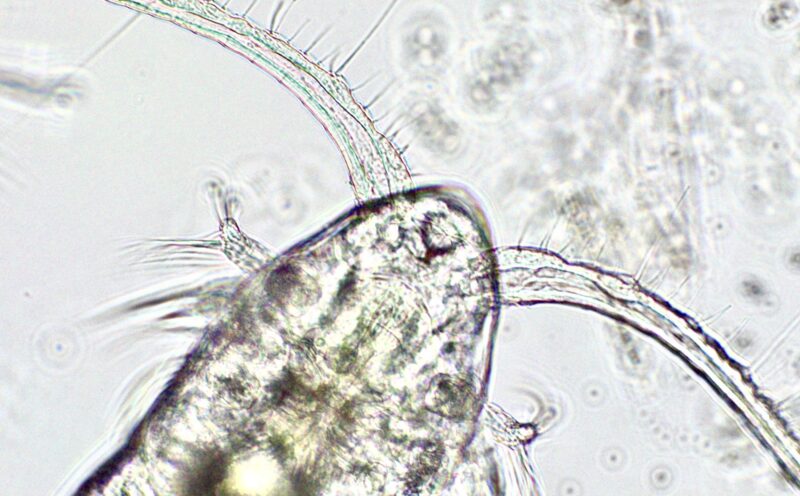
New detection technique advances early warnings for toxic algal blooms
UC Santa Cruz researchers use passive resin samplers to track chemical cues, extending predictive lead time for harmful algal blooms in Monterey Bay by up to seven weeks.
-

UCSC finds new detection technique for toxic algal blooms
UC Santa Cruz researchers developed a method that uses copepods to forecast harmful algal blooms up to seven weeks ahead. “Having a month warning or even longer warning is very, very helpful for keeping humans safe,” said Distinguished Professor of Ocean Sciences Raphael Kudela.
-

How sick sea lions and an anchovy fishing ban in Monterey Bay are connected
“The classic way to get a big toxic event in Monterey Bay and in California is you have alternating cold, high-nutrient water and then warm water that’s keeping everything up in the surface and concentrating,” said Raphael Kudela, a professor of ocean science at UC Santa Cruz. “That’s basically what we’ve been having this year.”…
-

The ocean’s hidden, deadly killer: Why thriving seas can suddenly die and turn into mass underwater graveyards
In June 2026, researchers at UC Santa Cruz confirmed that two young humpback whales found dead on the coastline had been affected by domoic acid: a neurotoxin that comes from harmful algal blooms. Additional coverage in the Santa Cruz Sentinel and Monterey County Herald.
-
Humpback whales likely killed by neurotoxin
The UC Santa Cruz Marine Mammal Stranding Network recently necropsied two young humpback whales. They washed up at Lovers Point Beach in Pacific Grove and Sunset State Beach in Watsonville within a few days of each other. Stranding network director Robin Dunkin says researchers confirmed a neurotoxin from algae blooms to be the cause of…
-
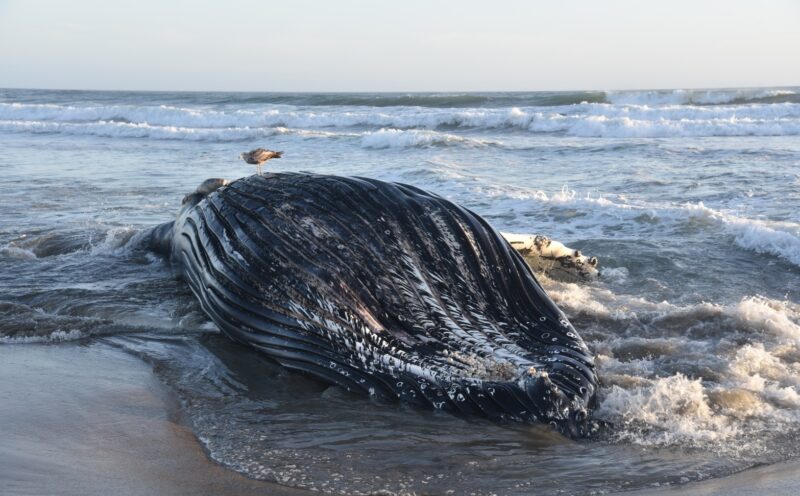
Toxic algal blooms linked to deaths of recently stranded humpback whales
Lab tests conducted at UC Santa Cruz of samples taken from the two carcasses found domoic acid, the biotoxin that causes neurological impairment, seizures, and death in marine mammals.
-
How changing ocean colors could impact California
Earth’s oceans have been getting greener at the poles and becoming bluer closer to the equator, according to a study published Thursday in Science. The shift reflects changes in marine ecosystems, which experts say could affect fish populations and create problems for fisheries, including in California. “It has lots of potential implications for the way…
-

Odd-Looking Blue Creatures Are Washing Up in Large Groups on California’s Beaches Once Again
Velellas typically wash ashore in Northern California in spring or early summer, because “in the spring is when we have upwelling,” explains Raphael Kudela, a marine scientist at University of California, Santa Cruz, to KQED’s Danielle Venton and Sarah Mohamad. “Upwelling brings lots of nutrients, and lots of nutrients bring phytoplankton and zooplankton.”
-

Three UC Santa Cruz faculty members named 2024 AAAS fellows
David Deamer, Theodore Holman, and Raphael Kudela awarded lifetime honor