cwilmers
-
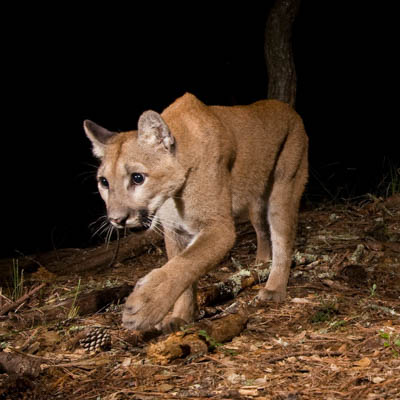
Local pumas don’t sense danger in places where they’re most often killed by humans
A new study led by UC Santa Cruz researchers suggests that pumas in the Santa Cruz Mountains don’t make accurate assessments of where they are most likely to be killed by humans, especially when it comes to the threat of being killed in retaliation for loss of livestock.
-

Construction begins on $12 million mountain lion crossing on Highway 17 in Santa Cruz Mountains
Environmental Studies Professor Chris Wilmers, who's director of the Santa Cruz Puma Project, talked with The Mercury News about the challenges that roads pose for wildlife.
-

The Cutest Way to Fight Climate Change? Send in the Otters
WIRED interviewed Environmental Studies Professor Chris Wilmers about the role sea otters play in carbon sequestration in kelp forest ecosystems.
-

Lions in our midst: the Santa Cruz Puma Project
Rachel Goodman interviewed Environmental Studies Professor Chris Wilmers about his latest research and the basics of mountain lion conservation for "Talk of the Bay" on KSQD.
-

How the Hush of Pandemic Lockdown Changed Wildlife Behavior
Good Times interviewed Environmental Studies professor Chris Wilmers and UCSC marine ecologist Ari Friedlaender about their work studying wildlife responses to pandemic-era lockdowns.
-

Pandemic Lockdown Eases Mountain Lions’ Fear of Urban Areas
The Scientist published a Q&A with Environmental Studies Professor Chris Wilmers about his latest research studying pumas during the pandemic era.
-

UC Santa Cruz research: Pumas inched closer during COVID shelter-in-place orders
Environmental Studies Professor Chris Wilmers spoke with the Santa Cruz Sentinel about his latest research showing how reduced human mobility during the pandemic affected local pumas.
-

Lockdown-emboldened mountain lions ventured farther into urban areas, UCSC researchers say
Lookout Santa Cruz interviewed Environmental Studies Professor Chris Wilmers about his team's latest study showing how pandemic-era lockdowns affected habitat use among local pumas. This research was also shared by KAZU.
-

Tracking data show how the quiet of pandemic-era lockdowns allowed pumas to venture closer to urban areas
During regional shelter-in-place orders, declining levels of human mobility emboldened local pumas to use habitats they would normally avoid out of fear of humans.
-
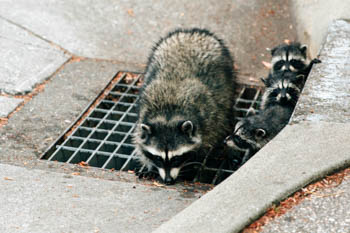
Study shows which North American mammals live most successfully alongside people
Researchers analyzed camera trap data from across the continent to better understand how particular species of mammals respond to different types of human disturbance.
-

‘The landscape of fear’: Big cats pay a price for avoiding areas now inhabited by humans
Environmental Studies Professor Chris Wilmers talked with Lookout Santa Cruz about new research with Barry Nickel, director of the Center for Integrated Spatial Research. The team documented changes to puma ranges.
-

Wildlife corridors aren’t a new idea, but taking human resistance into account makes them much more effective
Popular Science cited a new paper by Environmental Studies professor Chris Wilmers and Center for Integrated Spatial Research Director Barry Nickel as an example of how the "landscape of fear" impacts animal movements.