Research
-
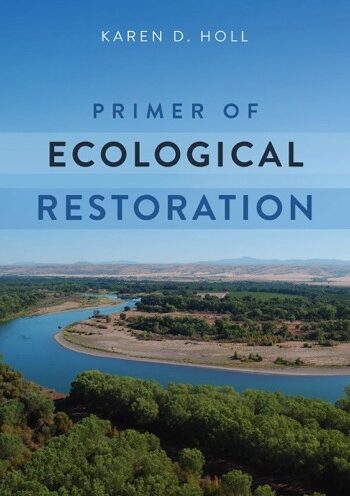
Karen Holl publishes a “primer” on ecological restoration
Karen Holl has introduced hundreds of undergraduates to ecological restoration, and now she has published the book she wishes had been available when she first stepped into the classroom.
-

The carbon footprint of dinner: How “green” are fish sticks?
Fish sticks may be a tasty option for dinner, but are they good for the planet? A new study of the climate impacts of seafood products reveals that the processing of Alaskan pollock into fish sticks, imitation crab, and fish fillets generates significant greenhouse gas emissions.
-

Global study of street networks reveals growing urban sprawl
Local streets of the world’s cities are becoming less connected, part of a global trend that is driving urban sprawl and discouraging the use of public transportation.
-

UC Santa Cruz helps develop Egyptian Center of Excellence for Water
UC Santa Cruz is partnering with the American University in Cairo, nine other Egyptian and U.S.-based universities, and industry partners to help Egypt make the most of its limited water supply.
-
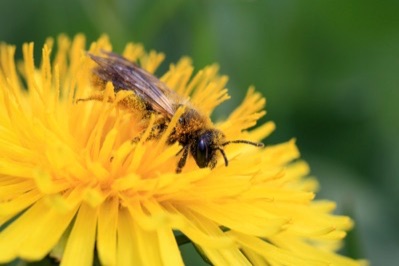
Letourneau’s datasets propel research that shows biodiversity improves crop production
When Environmental Studies Professor Deborah Letourneau was getting ready to retire, she gave several of her datasets to younger researchers so they could make use of them. And did they ever.
-

Climate engineering: International meeting reveals tensions
At this point, the greatest danger of climate engineering may be how little is known about where countries stand on these potentially planet-altering technologies. Who is moving forward? Who is funding research? And who is being left out of the conversation?
-
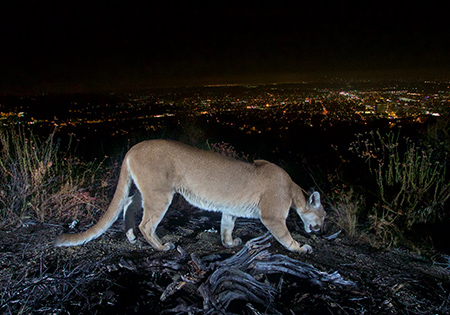
Whole genome sequencing could help save pumas from inbreeding
The first complete genetic sequences of individual mountain lions point the way to better conservation strategies for saving threatened populations of the wild animals.
-
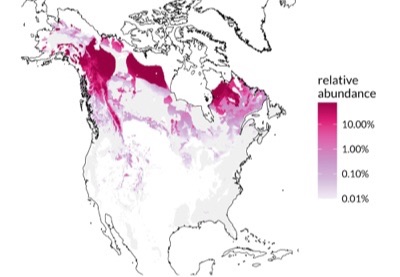
Major NSF grant supports research on soil fungi
Kai Zhu, an assistant professor of environmental studies, has received a $700,000 grant from the National Science Foundation to study the biodiversity and distribution of soil fungi across North America.
-
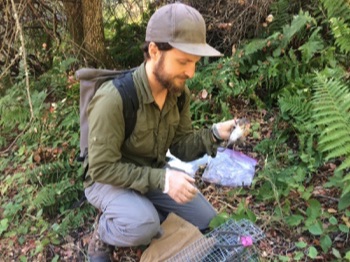
While the cat’s away: Predators’ fear of humans ripples through wildlife communities, emboldening rodents
A new study indicates that pumas and medium-sized carnivores lie low when they sense the presence of humans, which frees up the landscape for rodents to forage more brazenly.
-
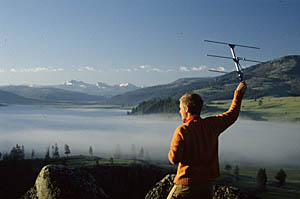
Wild animals key to mediating landscape’s capacity to store carbon, researchers say
Advances in remote sensing technologies are helping scientists to better measure how global landscapes—from forests to savanna—are able to store carbon, a critical insight as they evaluate the potential role of ecosystems in mitigating climate change.
-

Beyond campaign rhetoric: What’s really needed to secure California’s economic future
With the world’s fifth-largest economy, California has legitimate bragging rights as it proudly leads the “resistance” to federal attacks on immigrant rights, environmental policy, and progressive values in general. But that’s not the whole story.