Research
-

Dialogues, collaborations, and the success of ‘slow science’
With funding from the Henry Luce Foundation, the new Southeast Asian Coastal Interactions Initiative takes a methodical approach to worldwide social and environmental challenges
-
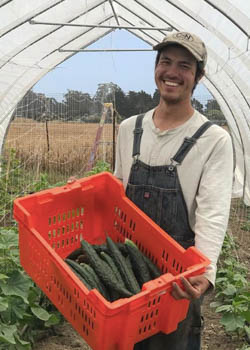
Growing heritage and healing through traditional Asian vegetables
Faculty, staff, and alumni are drawing upon and strengthening their cultural heritage and connection to Asian foodways to cultivate traditional vegetables.
-

Study shows which North American mammals live most successfully alongside people
Researchers analyzed camera trap data from across the continent to better understand how particular species of mammals respond to different types of human disturbance.
-

Climate change sends tropical species racing to higher elevations while temperate counterparts lag behind
A new paper shows that, in mountain habitats, species’ responses to rising temperatures vary by latitude, but researchers fear there may be no clear winners among these strategies.
-

Study of U.S. tuna fisheries explores nexus of climate change, sustainable seafood
A new study by researchers at UC Santa Cruz and NOAA examines traditional aspects of seafood sustainability alongside greenhouse gas emissions to better understand the carbon footprint of U.S. tuna fisheries.
-

UCSC professor contributes to new study showing how parts of the US will ‘tropicalize’ as climate changes
Environmental Studies Professor Michael Loik is a coauthor on a new paper describing how warming winters are allowing some tropical plants and animals to replace temperate communities in southern portions of the country.
-

New analysis shows potential for ‘solar canals’ in California
UC Santa Cruz researchers and their partners published a new study that suggests covering California’s water delivery canals with solar panels could be an economically viable means of advancing renewable energy and water conservation.
-

Disrupting harmful food systems to prevent future pandemics
Assistant Professor of Environmental Studies Maywa Montenegro de Wit is exploring how lessons from the abolition movement could help agroecology combat the agro-industrial complex to prevent future pandemics.
-
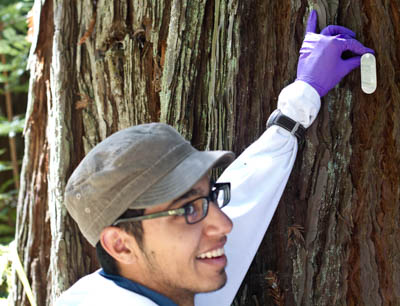
Forest monitoring efforts contribute to new understanding of climate change impacts
Data collected by student interns at UC Santa Cruz’s Forest Ecology Research Plot recently contributed to a breakthrough in understanding how climate change affects forests.
-
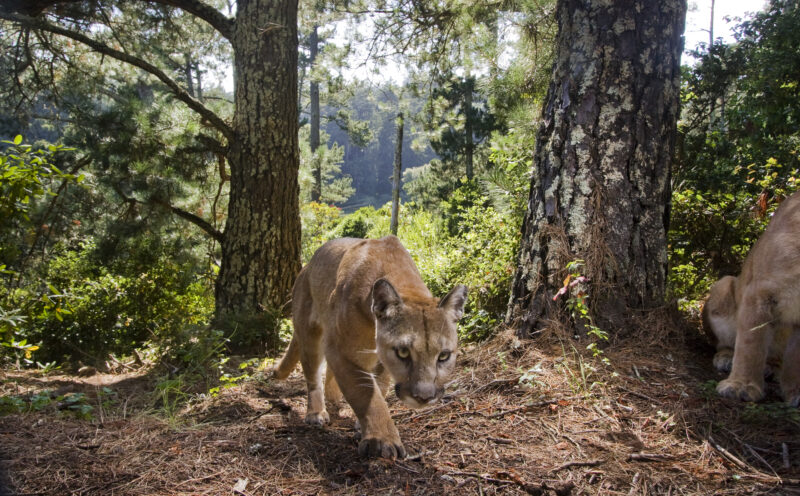
Energy spent avoiding humans linked to smaller home ranges for male pumas
New research shows that fear of humans causes mountain lions to increase their energy expenditures as they move through the landscape, and this can ultimately limit the size of the home ranges they’re able to maintain.
-

Grant funding will advance aquaculture research in UCSC’s new state-of-the-art facility
Researchers won a USDA grant in support of their efforts to develop ocean-friendly feed formulas for farm-raised rainbow trout. This work will take place in the team’s new aquaculture facility at the UCSC Farm.
-

Shedding light on one of environmental policy’s most under-the-radar strategies
Associate professor of environmental studies Sikina Jinnah studies the environmental provisions contained within trade agreements and wants to help policymakers better navigate this space.