Research
-

Protecting vulnerable children and families during the pandemic
In addition to experiencing higher rates of COVID-19 infection and death, the most vulnerable among us are losing ground in schooling, learning, and development, according to the authors of a new policy brief aimed at lawmakers.
-

Outbreak inquiry
Faculty have developed two undergraduate classes that are focusing on the effects and experiences of the coronavirus pandemic, even while the pandemic is under way.
-

Washington Post’s depictions of autism shift from “cause and cure” to acceptance, study finds
The Washington Post’s depiction of autism has shifted over the years from a focus on “cause and cure” toward one of acceptance and accommodation, say the authors of a new study.
-

Timing is key for parents who want to help children learn at museums, say researchers
Children’s museums can be a challenging environment for parents who feel the urge to explain the science behind all the novel activities that dazzle youngsters. New research suggests that timing is key to supporting children’s learning in these environments.
-
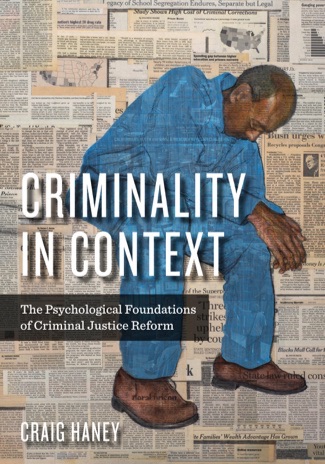
New book debunks myths about who causes crime and why
Craig Haney, a distinguished professor of psychology, is the author of the new book Criminality in Context: The Psychological Foundations of Criminal Justice Reform, a comprehensive analysis of 40 years of research into the root causes of criminal behavior.
-

Craig Haney testifies before committee charged with revising state’s penal code
Craig Haney, distinguished professor of psychology, was the only witness to testify during the first meeting of the newly formed Committee on Revision of the Penal Code.
-
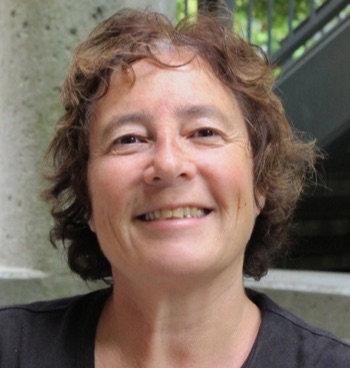
Women of color underrepresented as speakers at scientific conferences, study finds
Scientists from racial and ethnic minority populations are likely to have relatively fewer speaking opportunities at scientific conferences, according to the results of a new study.
-
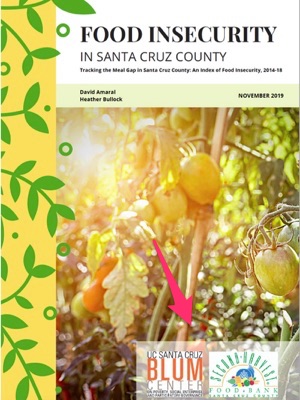
Santa Cruz County faces significant gap in food security, study finds
As the season of holiday feasting approaches, a new study reveals that Santa Cruz County residents who are most at risk of food insecurity may be missing an average of five meals a week.
-

Talking about scientific results without overstating the findings
Developmental psychologist Maureen Callanan has coauthored a new paper about researchers’ use of “generic language” when they report scientific findings, a tendency that leads to bolder claims that may sacrifice precision.
-
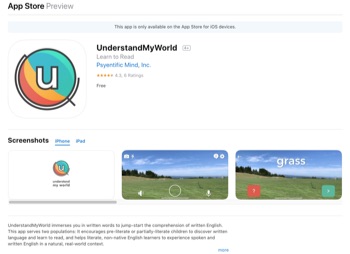
Massaro introduces app to boost literacy
Dominic Massaro, a professor emeritus of psychology, has developed a new iPhone app designed to help children learn to read.
-
Scholars weigh in on new ideas about autism
The authors of a provocative new paper maintain that many of the behaviors common to autism—including low eye contact, repetitive movements, and the verbatim repetition of words and phrases—are misinterpreted as a lack of interest in social engagement. On the contrary, they say, many people with autism express a deep longing for social connection.