Research
-

New Human Rights Lab trains students to investigate wrongdoing
The new Human Rights Lab went live this fall with 19 students who have learned high-tech, digital-verification skills they will use to investigate alleged human rights abuses around the globe.
-
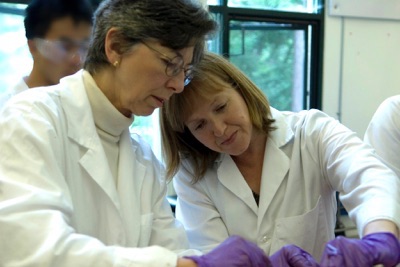
Anthropologist Adrienne Zihlman publishes 450-page opus on ape anatomy and evolution
Anthropology Professor Emerita Adrienne Zihlman has published a 450-page volume that presents the “big picture” of what she has learned about human origins from her painstakingly thorough study of modern ape anatomy over the last four decades.
-
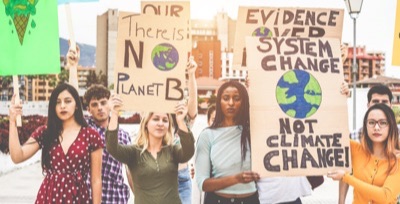
Youth activism is on the rise around the globe, and adults should pay attention, says author
Greta and Malala get the headlines, but Jessica Taft says that for every young leader pictured on a magazine cover, thousands more are working tirelessly for causes like climate justice, racial and gender equality, LGBTQ rights, and economic change.
-

Talking about scientific results without overstating the findings
Developmental psychologist Maureen Callanan has coauthored a new paper about researchers’ use of “generic language” when they report scientific findings, a tendency that leads to bolder claims that may sacrifice precision.
-
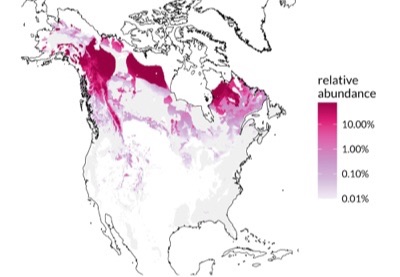
Major NSF grant supports research on soil fungi
Kai Zhu, an assistant professor of environmental studies, has received a $700,000 grant from the National Science Foundation to study the biodiversity and distribution of soil fungi across North America.
-

Massaro introduces app to boost literacy
Dominic Massaro, a professor emeritus of psychology, has developed a new iPhone app designed to help children learn to read.
-
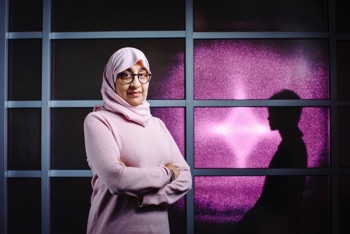
Scholars weigh in on new ideas about autism
The authors of a provocative new paper maintain that many of the behaviors common to autism—including low eye contact, repetitive movements, and the verbatim repetition of words and phrases—are misinterpreted as a lack of interest in social engagement. On the contrary, they say, many people with autism express a deep longing for social connection.
-
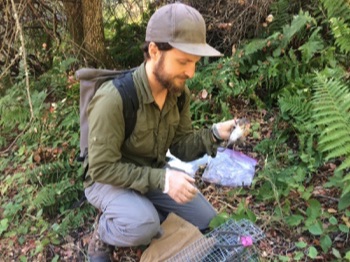
While the cat’s away: Predators’ fear of humans ripples through wildlife communities, emboldening rodents
A new study indicates that pumas and medium-sized carnivores lie low when they sense the presence of humans, which frees up the landscape for rodents to forage more brazenly.
-

UC Santa Cruz establishes interdisciplinary Southeast Asia research center
A $1 million grant from the Henry Luce Foundation will establish a new Center for Southeast Asian Coastal Interactions (SEACoast) at UC Santa Cruz that will bring together scholars from the social sciences, humanities, and natural sciences to address the region’s challenges.
-
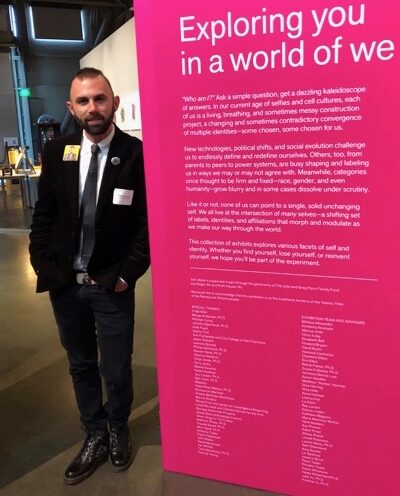
Phil Hammack helps shape Exploratorium’s exhibition about identity
Psychology Professor Phil Hammack was thrilled to be invited to help plan a new exhibition at the Exploratorium about identity.
-

Juries bring transparency and accountability to trials in Argentina
A trial by one’s peers is a pillar of democracy, which is why scholars and activists are celebrating Argentina’s budding embrace of jury trials.
-
Video highlights cultural differences in collaboration
A video by Distinguished Professor of Psychology Barbara Rogoff is featured in the “2019 STEM for All Video Showcase,” a competition hosted by the National Science Foundation (NSF).