Research
-
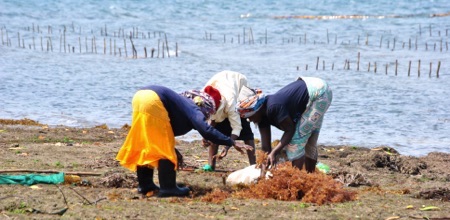
Aquaculture to benefit people and the environment
Two graduate students have received a one-year, $150,000 grant to create environmentally sound seaweed and sea cucumber farms on the coasts of Kenya and The Gambia.
-

Using isotopes to reconstruct life histories within the transatlantic slave trade
Four hundred years after the displacement of millions of Africans began, anthropologist Vicky Oelze wants to use isotope biogeochemistry to trace back and identify the origins of individuals who were abducted and perished in the Americas.
-

Craig Haney testifies before committee charged with revising state’s penal code
Craig Haney, distinguished professor of psychology, was the only witness to testify during the first meeting of the newly formed Committee on Revision of the Penal Code.
-

The carbon footprint of dinner: How “green” are fish sticks?
Fish sticks may be a tasty option for dinner, but are they good for the planet? A new study of the climate impacts of seafood products reveals that the processing of Alaskan pollock into fish sticks, imitation crab, and fish fillets generates significant greenhouse gas emissions.
-

Global study of street networks reveals growing urban sprawl
Local streets of the world’s cities are becoming less connected, part of a global trend that is driving urban sprawl and discouraging the use of public transportation.
-

UC Santa Cruz helps develop Egyptian Center of Excellence for Water
UC Santa Cruz is partnering with the American University in Cairo, nine other Egyptian and U.S.-based universities, and industry partners to help Egypt make the most of its limited water supply.
-

Women of color underrepresented as speakers at scientific conferences, study finds
Scientists from racial and ethnic minority populations are likely to have relatively fewer speaking opportunities at scientific conferences, according to the results of a new study.
-
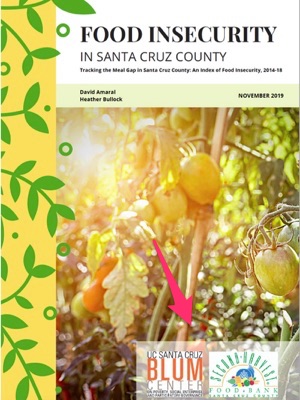
Santa Cruz County faces significant gap in food security, study finds
As the season of holiday feasting approaches, a new study reveals that Santa Cruz County residents who are most at risk of food insecurity may be missing an average of five meals a week.
-
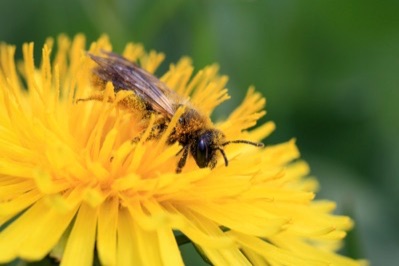
Letourneau’s datasets propel research that shows biodiversity improves crop production
When Environmental Studies Professor Deborah Letourneau was getting ready to retire, she gave several of her datasets to younger researchers so they could make use of them. And did they ever.
-

Climate engineering: International meeting reveals tensions
At this point, the greatest danger of climate engineering may be how little is known about where countries stand on these potentially planet-altering technologies. Who is moving forward? Who is funding research? And who is being left out of the conversation?
-
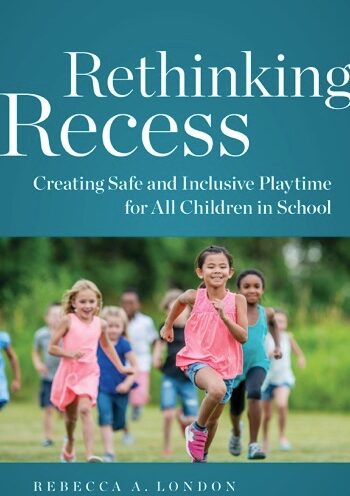
Learning on the playground: How elementary school recess enhances every aspect of child development
Recess is a lot like school lunch: Some kids get lasagna with an organic green salad, some get a burrito out of a box, and some do without. Like lunch, who gets recess—and who gets good recess—is often determined by what school district a student lives in.
-
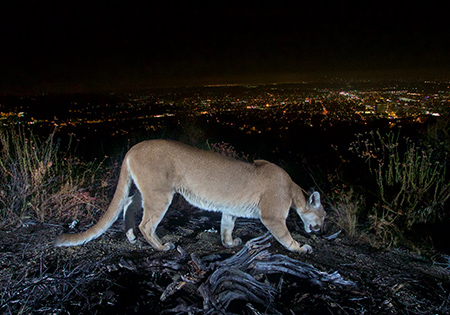
Whole genome sequencing could help save pumas from inbreeding
The first complete genetic sequences of individual mountain lions point the way to better conservation strategies for saving threatened populations of the wild animals.