Research
-

Bats facing regional extinction in the northeast from rapidly spreading disease, UCSC researcher finds
A new infectious disease spreading rapidly across the northeastern United States has killed millions of bats and is predicted to cause regional extinction of a once-common bat species, according to the findings of a University of California, Santa Cruz re
-
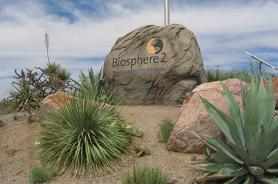
Loik leads international collaboration on precipitation research
Michael Loik of environmental studies is the lead scientist on an international study of precipitation that’s part of Biosphere 2.
-

Rajan to study management of environmental risks in India
With a new NSF grant, S. Ravi Rajan will explore the intersection of science and politics in India.
-

Water industry taps UCSC to prepare for ‘silver tsunami’ of retirements
UCSC students will be poised to benefit from a wave of retirements in the water industry.
-

Geographer Jeff Bury studies human impacts of climate change in central Andes
For residents of Peru’s remote villages high in the Andes mountains, climate change is right outside the back door.
-

UC Santa Cruz to lead pioneering study of pumas in the Santa Cruz Mountains
A pioneering study of pumas in the Santa Cruz Mountains will generate unprecedented insights into the behavior of one of the region’s top predators.
-

UCSC’s new Center for Integrated Water Research will help cities and regions secure safe and reliable water
A new interdisciplinary research center at the University of California, Santa Cruz, is bringing an innovative, regional approach to the challenge of meeting the demand for safe and reliable water.
-

Climate change could usher in “boom and bust” population cycles and make species prone to extinction, says UC Santa Cruz conservation biologist
Climate change could trigger “boom and bust” population cycles that make animal species more vulnerable to extinction, according to Christopher C. Wilmers, an assistant professor of environmental studies at the University of California, Santa Cruz.
-

First systematic test finds plant pathogens spread to distant relatives far more readily than thought
SANTA CRUZ, CA–The first systematic test of how widely pathogens can spread among distantly related plants reveals far greater range than conventional wisdom would suggest, raising questions about the adequacy of current regulatory approaches for plant q