Author: Tim Stephens
-

Science Internship Program creates opportunities for high school students
SIP alumni and their families are raising funds to extend the program’s reach and support need-based scholarships.
-

New book explores why the discovery of sex in plants took so long
The scandalous idea of sexual reproduction in plants was hotly debated for 150 years before finally gaining acceptance in the 19th century.
-

UC Santa Cruz receives $2.2 million for innovation and entrepreneurship program
New support program will help bring research innovations to the marketplace and spur economic development in the Santa Cruz area.
-

UC Santa Cruz will host annual hackathon January 20 to 22
Hack UCSC 2017 will draw software developers, designers, and entrepreneurs for a coding marathon.
-

UC Santa Cruz engineers work with Samsung on promising new memory technology
Innovations in “spintronics” have led some to predict the eventual emergence of a universal memory technology to replace all others.
-

Moore Foundation grant funds UC Santa Cruz groundwater sustainability project
The $854,000 grant supports research and solutions for the sustainability of groundwater in California.
-

Geologist Gary Griggs to speak on natural disasters at Rio Theater on January 19
‘Perils in Paradise’ talk will give a brief history of geology and natural disasters in Santa Cruz County.
-

Physicist Joel Primack to serve as president of scientific honor society Sigma Xi
The scientific research honor society Sigma Xi has announced the election of Primack as president-elect designee.
-
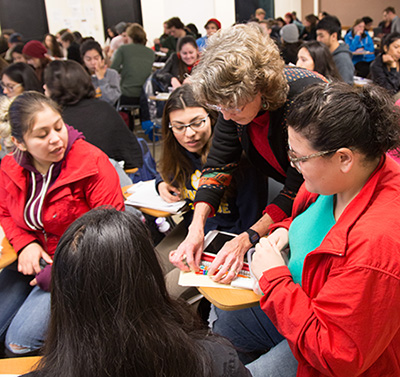
Active Learning Classroom project in the Science & Engineering Library begins
With the start of the Active Learning Classroom (ALC) construction project in the Science & Engineering (S&E) Library, project planners want to thank library patrons and Science Hill occupants in advance for their flexibility and patience during construction.
-

UC Santa Cruz team chosen to compete in Amazon’s Alexa Prize Challenge
UCSC computer scientists have won a sponsorship from Amazon to develop a “socialbot” that can converse with humans.
-
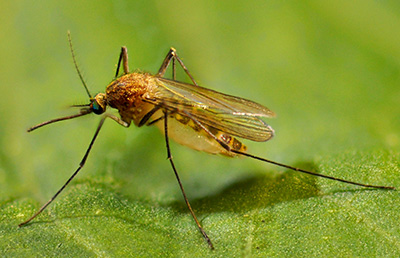
Growing mosquito populations linked to urbanization and DDT’s slow decay
Rising temperatures due to climate change were found to have less influence on mosquito populations than land use changes and the decay of residual DDT in the environment.
-
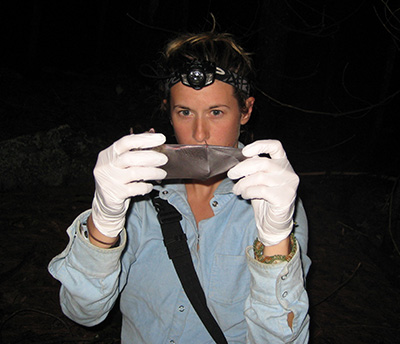
Some bats develop resistance to devastating fungal disease
White-nose syndrome has decimated the little brown bat, but researchers found populations that appear to have developed resistance to the disease.