Author: Mike Peña
-

Father’s tobacco use may raise children’s diabetes risk
Mouse study finds link between father’s nicotine exposure and offspring’s metabolism
-
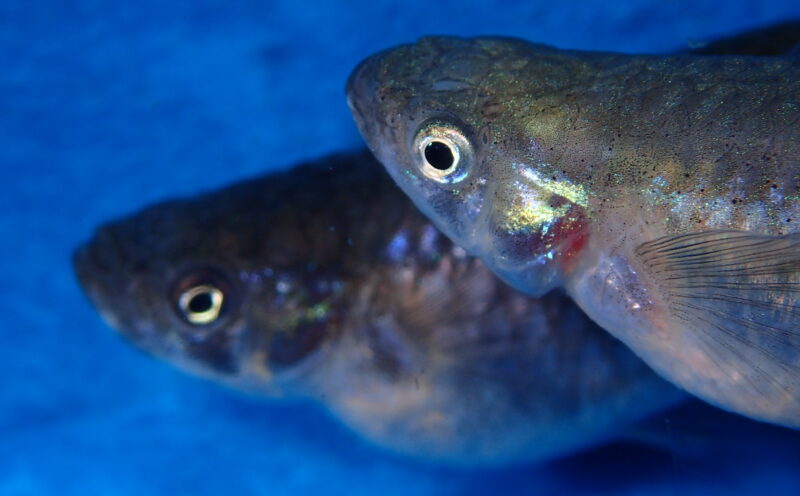
Does sexual harassment behavior matter for ecosystems?
Intense harassment of females by male mosquitofish increases the ecosystem consequences of this highly invasive fish
-

Against all odds, popular math animator Grant Sanderson wooed into the redwoods
Mathematics Department convinced famous YouTuber to speak on campus, enthralling a full house with visualizations of high-dimensional geometry that powers large language models
-

Supposedly harmless peptide may be linked to Alzheimer’s disease
New paper from UC Santa Cruz chemistry lab argues that efforts to develop treatments for Alzheimer’s should stop ignoring a short protein called P3, the ‘neglected cousin’ of amyloid beta
-

Two promising technology development projects receive UC Santa Cruz Innovation Catalyst grants
UC Santa Cruz’s Innovation Catalyst Proof-of-Concept Program helps move cutting-edge research from the lab out into the world for societal impact.
-
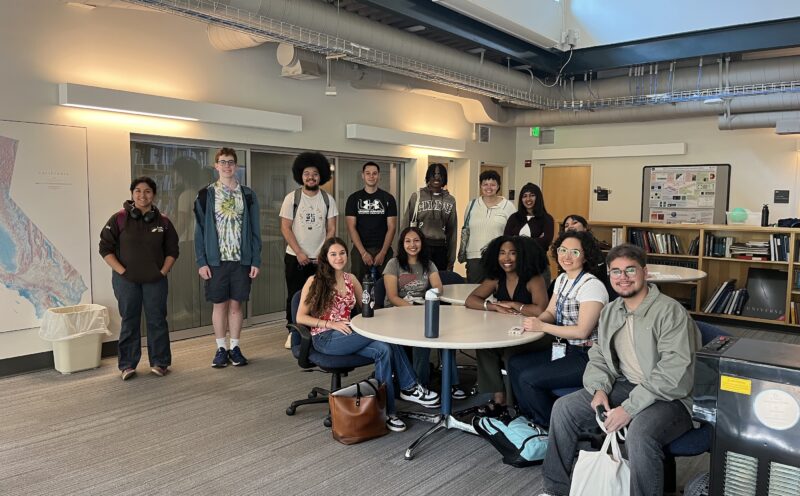
Eighteen years of mobilizing marginalized students, making science more innovative
Review in Nature Astronomy highlights how UC Santa Cruz’s Lamat Institute leverages cultural strengths through tailored experiences, raises awareness of systemic barriers, and builds culturally validating communities
-
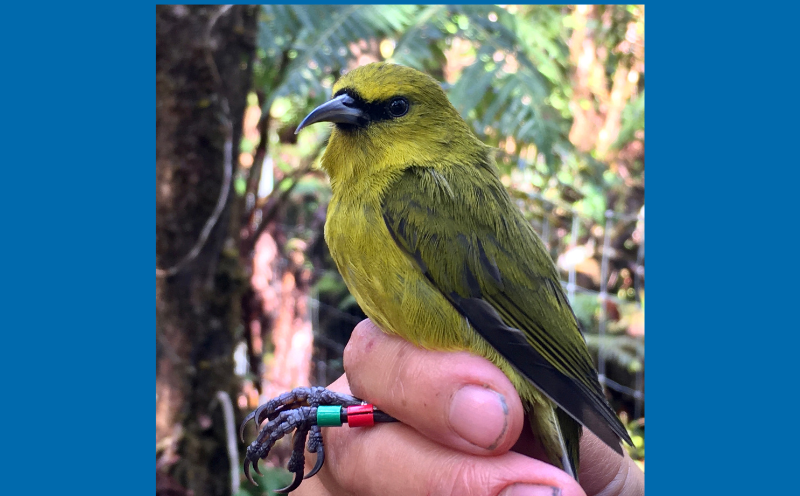
New study on avian malaria finds most of Hawaii’s birds contribute to deadly pathogen’s transmission
Research led by UC Santa Cruz finds that both non-native and native birds play a key role in the transmission of a disease that has contributed to the extinction of over a dozen species of Hawaii’s native birds
-
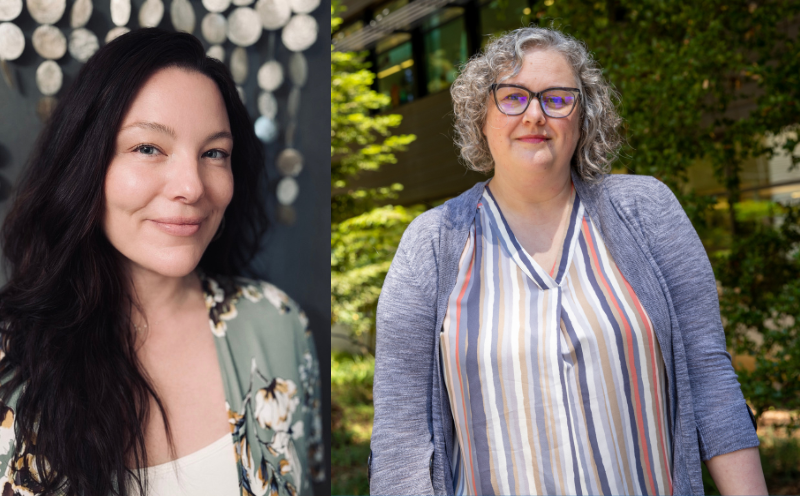
Science Division awards honor staff and faculty for outstanding work and dedication
Alyssa Danielli, department manager in astronomy and astrophysics, and Carrie Partch, professor of chemistry and biochemistry, are the respective recipients of the division’s 2024-25 Outstanding Staff and Faculty Awards
-
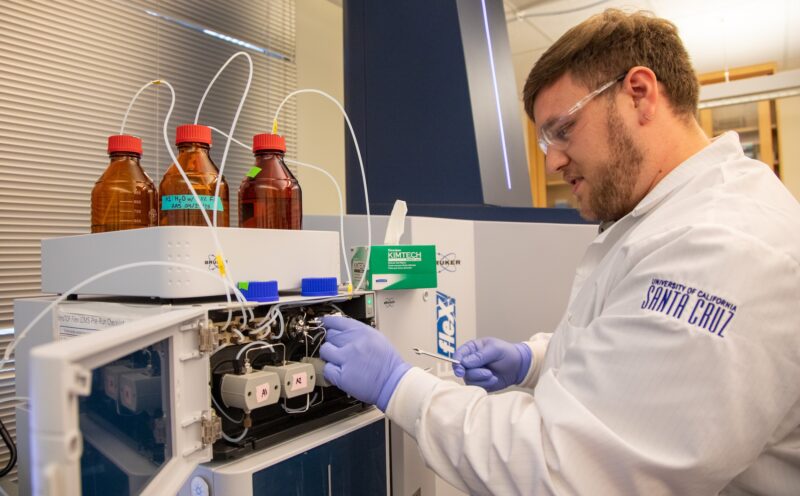
Biochemists establish new method for identifying pharmaceutical candidates faster
UC Santa Cruz team achieves synthesis of beneficial neurochemical in just two steps, promising to break a bottleneck in drug development
-
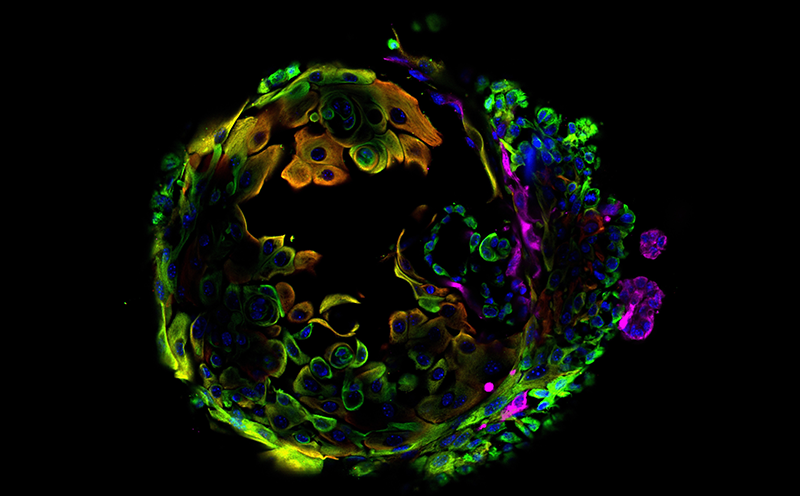
How early pregnancy impacts aging: implications for breast-cancer risk
New study by UC Santa Cruz team discovers that early pregnancy in mice reduces buildup of ‘confused’ cells that could lead to breast cancer later in life
-
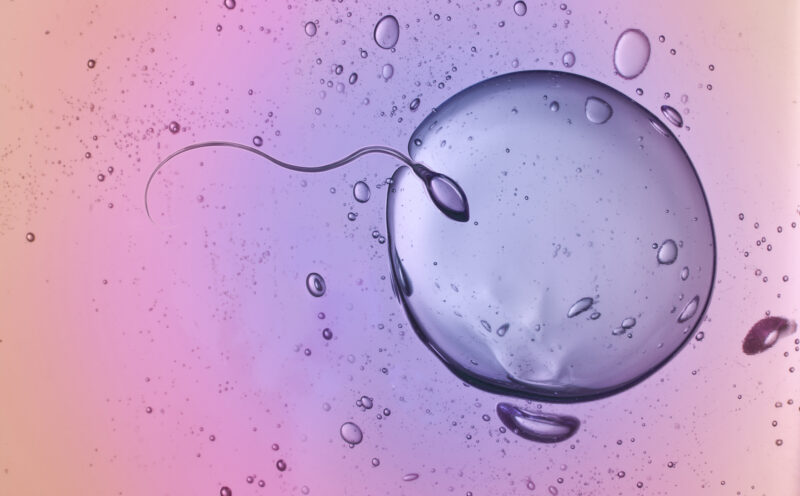
Tiny RNA molecules in sperm, big impact on baby health
Molecular mechanism uncovered in mice by UC Santa Cruz researchers reveals how a father’s diet, stress, and other environmental factors before conception can influence his offspring’s health
-
How quiet galaxies stay quiet: cool gas feeds black holes in ‘red geysers’
New paper led by UC Santa Cruz undergraduate suggests that long-dormant galaxies deemed to be dead may actually be stunted by the dynamics of supermassive black holes at their center