Author: Jennifer McNulty
-

Timing is key for parents who want to help children learn at museums, say researchers
Children’s museums can be a challenging environment for parents who feel the urge to explain the science behind all the novel activities that dazzle youngsters. New research suggests that timing is key to supporting children’s learning in these environments.
-
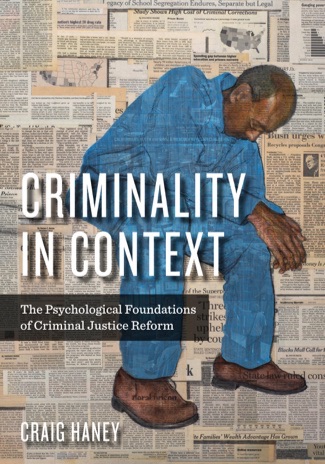
New book debunks myths about who causes crime and why
Craig Haney, a distinguished professor of psychology, is the author of the new book Criminality in Context: The Psychological Foundations of Criminal Justice Reform, a comprehensive analysis of 40 years of research into the root causes of criminal behavior.
-
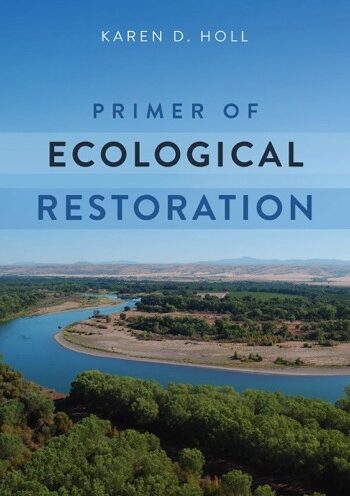
Karen Holl publishes a “primer” on ecological restoration
Karen Holl has introduced hundreds of undergraduates to ecological restoration, and now she has published the book she wishes had been available when she first stepped into the classroom.
-
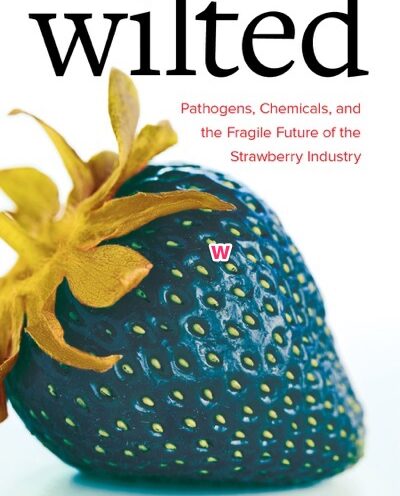
Geographers recognize Guthman book, Wilted, about the strawberry industry
Julie Guthman has been awarded the 2019 Meridian Book Award for Outstanding Scholarly Work in Geography for her book, Wilted.
-

UC Santa Cruz joins national “tech for social good” network
UC Santa Cruz has been accepted into a new national network of colleges and universities that have made an explicit commitment to developing technology that will advance the public interest.
-
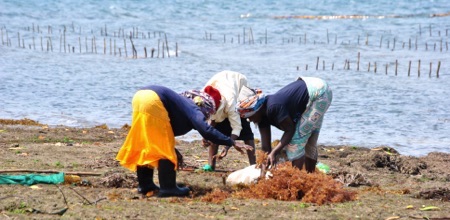
Aquaculture to benefit people and the environment
Two graduate students have received a one-year, $150,000 grant to create environmentally sound seaweed and sea cucumber farms on the coasts of Kenya and The Gambia.
-
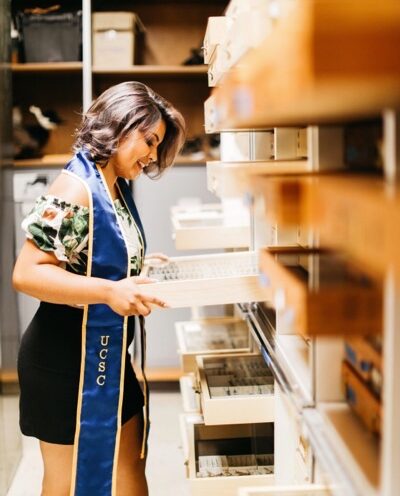
Norris Center aims to inspire naturalists across campus
Jessica Correa has loved insects since she was a little girl. Today she is an instructor with the Bird School Project. The Norris Center for Natural History gave her the support that launched her career in environmental education.
-
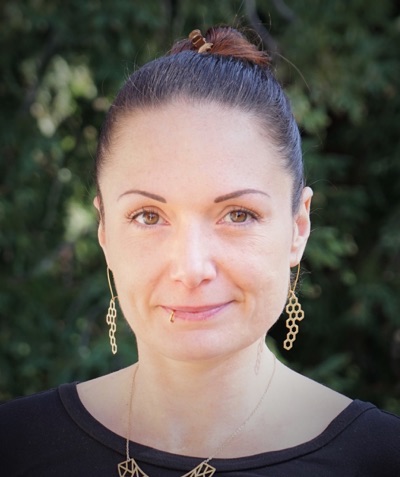
Using isotopes to reconstruct life histories within the transatlantic slave trade
Four hundred years after the displacement of millions of Africans began, anthropologist Vicky Oelze wants to use isotope biogeochemistry to trace back and identify the origins of individuals who were abducted and perished in the Americas.
-

Craig Haney testifies before committee charged with revising state’s penal code
Craig Haney, distinguished professor of psychology, was the only witness to testify during the first meeting of the newly formed Committee on Revision of the Penal Code.
-
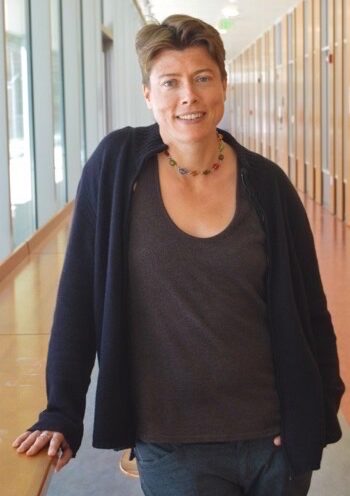
Jenny Reardon named a fellow of The Hastings Center
Jenny Reardon, professor of sociology and the founding director of the Science and Justice Research Center, has been named a fellow of The Hastings Center, a leader in the field of bioethics.
-
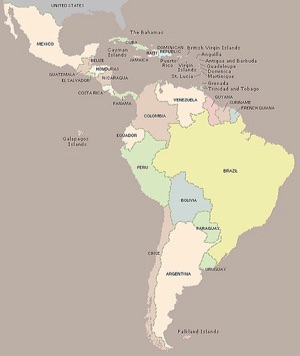
Graduate student funds for travel to Latin America available through RCA
New funding is available for graduate students traveling to Latin America to conduct preliminary research, thanks to a grant from the Tinker Foundation and matching funds from the university that were received by the Research Center for the Americas.
-

The carbon footprint of dinner: How “green” are fish sticks?
Fish sticks may be a tasty option for dinner, but are they good for the planet? A new study of the climate impacts of seafood products reveals that the processing of Alaskan pollock into fish sticks, imitation crab, and fish fillets generates significant greenhouse gas emissions.