Author: Emily Cerf
-
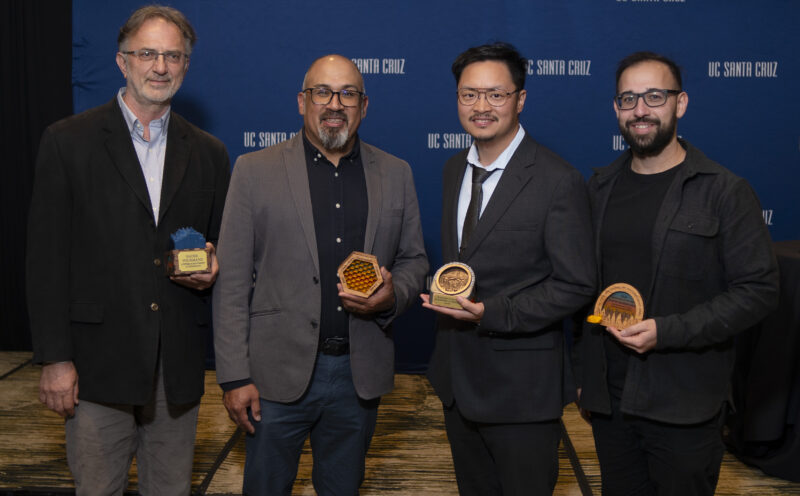
Chancellor’s 2024 innovation awards honor excellence in research and impact
The recipients include innovators who have created breakthroughs in knowledge and technology that are improving our world and community partners.
-

Pest prediction and management improved with better modeling
With new research, applied mathematicians at UC Santa Cruz introduce methods to improve the forecasting of pest populations
-

Reimagined undergrad class teaches students entire DNA sequencing process using cutting-edge devices
A biomolecular engineering course has recently been redesigned to give students experience with the entire process of DNA sequencing, from sampling to data analysis, using the latest nanopore devices from Oxford Nanopore Technologies.
-
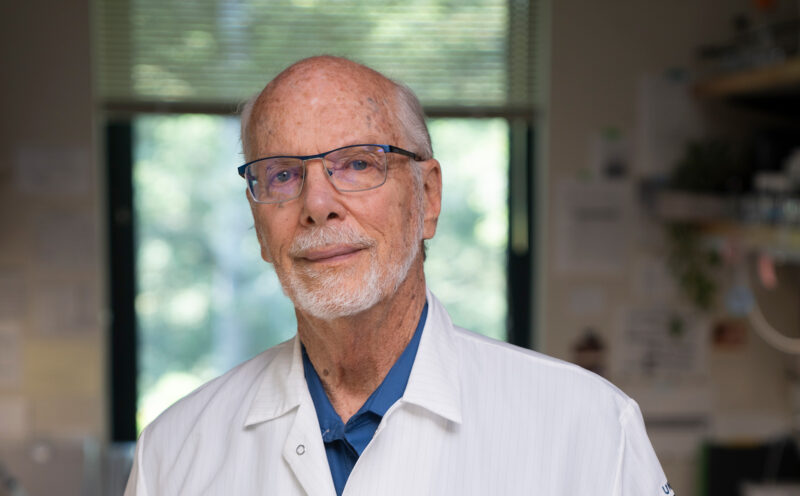
David Deamer wins 2025 SETI Institute’s Drake Award
The award celebrates remarkable achievements in the realms of astrobiology and the search for extraterrestrial intelligence.
-
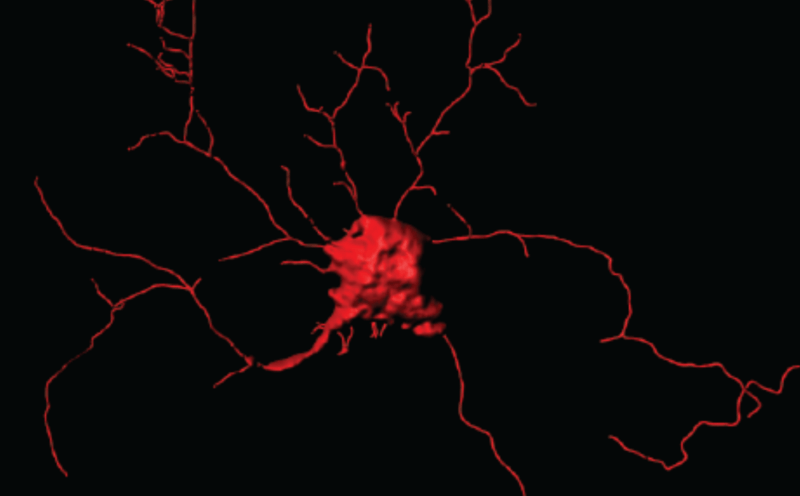
Brain cells are more plastic than previously thought, study shows
Using in-vitro models of a specific type of brain cell, scientists show that neurons are capable of changing from one type to another
-

Three UC Santa Cruz faculty members named 2024 AAAS fellows
David Deamer, Theodore Holman, and Raphael Kudela awarded lifetime honor
-
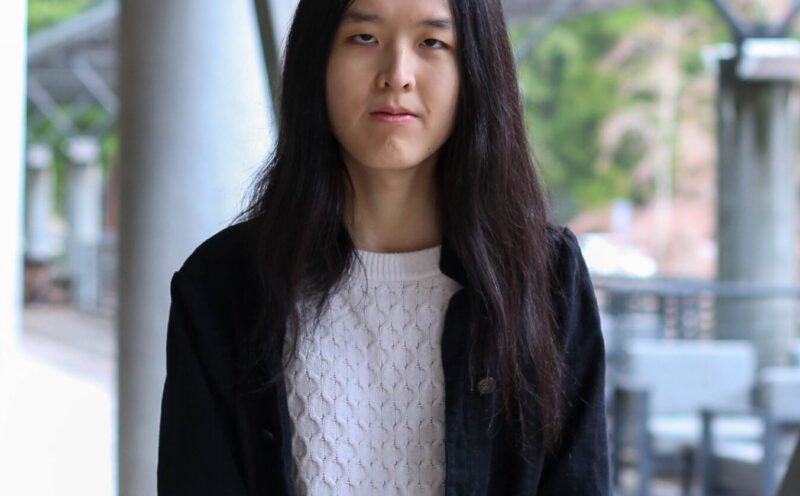
Engineering undergrad is fastest to solve national codebreaker challenge for the second year in a row
Astra Tsai was the fastest student to solve the National Security Administration’s codebreaker challenge, which stimulates real-world security cases
-

Scientists program stem cells to mimic first days of embryonic development
Their “programmable” embryo-like structures, also known as embryoids, can be used to study the role of certain genes in early development
-

Workshop aims to create speech AI for all
Researchers are studying and seeking solutions to the technical and policy challenges of accessible speech AI
-

AI chatbots perpetuate biases when performing empathy, study finds
A new study explores how GPT-4o, the latest model from OpenAI, evaluates and performs empathy compared to humans, and finds major gaps exist.
-
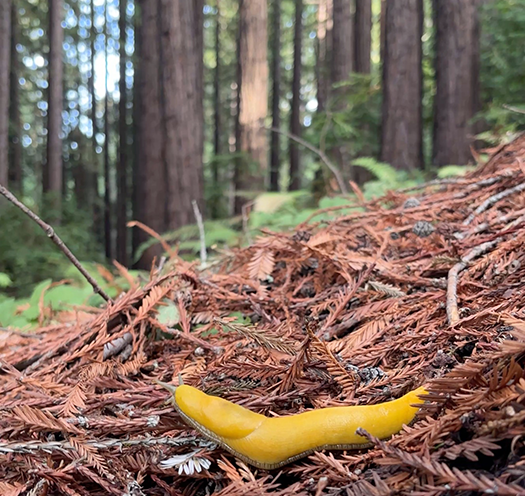
UC Santa Cruz scientists slither into the history books with first complete genome of a banana slug
Not only is the banana slug the endearing mascot for UC Santa Cruz — making the project fitting for campus researchers — but the slugs’ unique slime was a particularly challenging undertaking for UCSC’s experts in genomics.
-
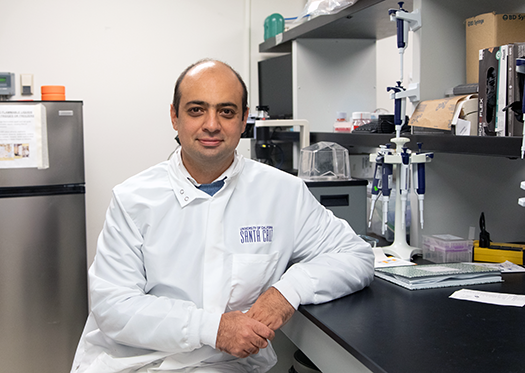
New grant funds effort to uncover therapeutic targets for neuropsychiatric disorders
A $10.3 million grant from the California Institute for Regenerative Medicine (CIRM), the state’s stem cell agency, will fund a multi-UC effort to better understand neuropsychiatric disorders.