Author: Emily Cerf
-

New air quality sensors enable community decision-making in Pajaro Valley region
Newly deployed sensors will fill in significant gaps in the area’s air quality monitoring network
-

Games promote preparedness and build community resilience to wildfire
UC Santa Cruz game makers invite users to test their safety instincts before disaster strikes
-
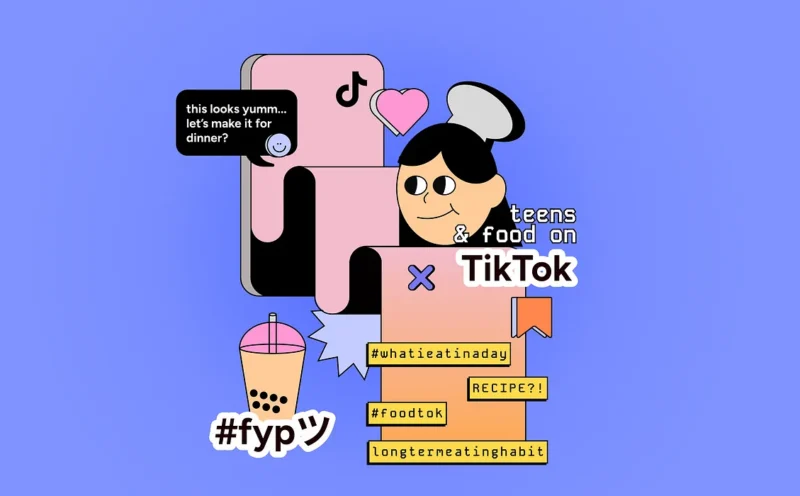
A fresh look at TikTok: short food videos encourage long-term healthy eating habits in teens
Research from UC Santa Cruz human-computer interactions scholars is revealing how online habits translate into offline actions
-

Keysight Technologies partnership gives capstone students hands-on experience
A new unique capstone project involves both undergraduate and graduate students.
-

AI is good at weather forecasting. Can it predict freak weather events?
New study tests neural networks’ ability to handle ‘gray swan’ events.
-
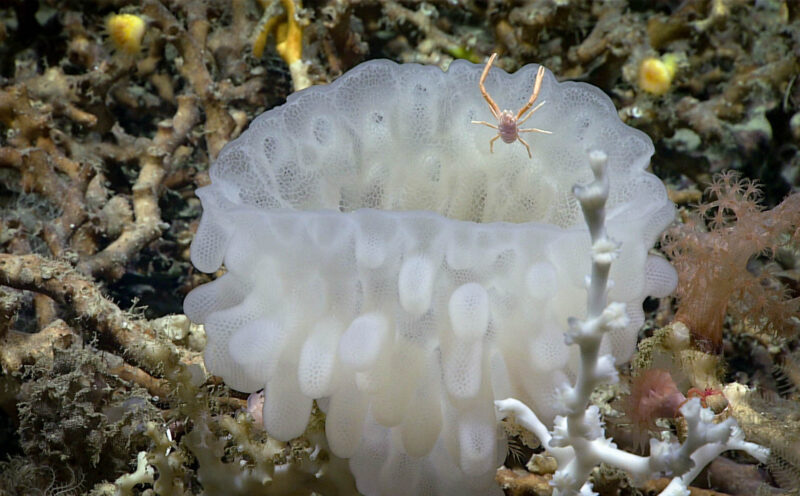
‘Selfish’ genes called introners proven to be a major source of genetic complexity
UC Santa Cruz researchers are studying the ways certain genetic elements hide and make copies of themselves, so they can propagate within a species’ DNA, or even hop from one species to an unrelated one in a process called “horizontal gene transfer.”
-
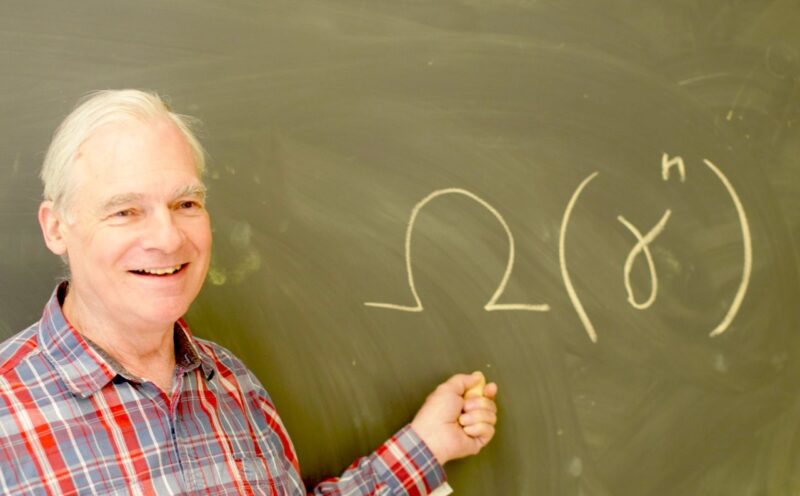
In Memoriam: Allen Van Gelder
Remembering Professor of Computer Science and Engineering Allen Van Gelder
-
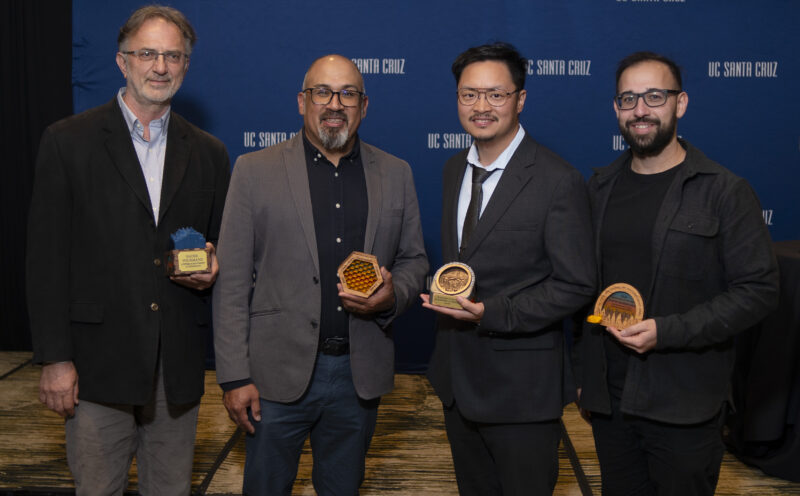
Chancellor’s 2024 innovation awards honor excellence in research and impact
The recipients include innovators who have created breakthroughs in knowledge and technology that are improving our world and community partners.
-

Pest prediction and management improved with better modeling
With new research, applied mathematicians at UC Santa Cruz introduce methods to improve the forecasting of pest populations
-

Reimagined undergrad class teaches students entire DNA sequencing process using cutting-edge devices
A biomolecular engineering course has recently been redesigned to give students experience with the entire process of DNA sequencing, from sampling to data analysis, using the latest nanopore devices from Oxford Nanopore Technologies.
-
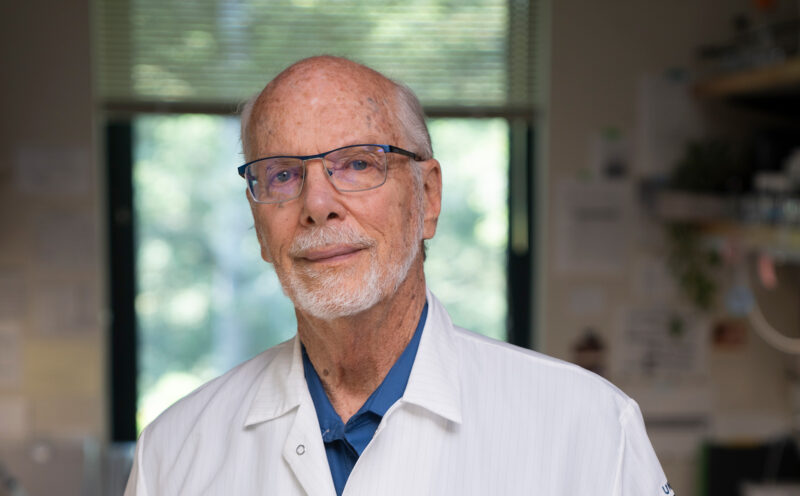
David Deamer wins 2025 SETI Institute’s Drake Award
The award celebrates remarkable achievements in the realms of astrobiology and the search for extraterrestrial intelligence.
-
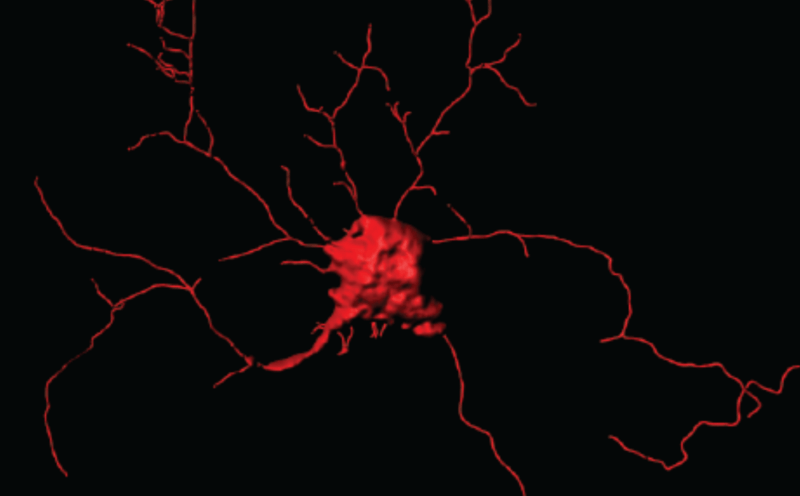
Brain cells are more plastic than previously thought, study shows
Using in-vitro models of a specific type of brain cell, scientists show that neurons are capable of changing from one type to another