Author: Emily Cerf
-

United Nations and Baskin Engineering to host West Coast’s first ‘Reboot the Earth’ hackathon
The event will bring together developers to create technological solutions to address the climate crisis.
-
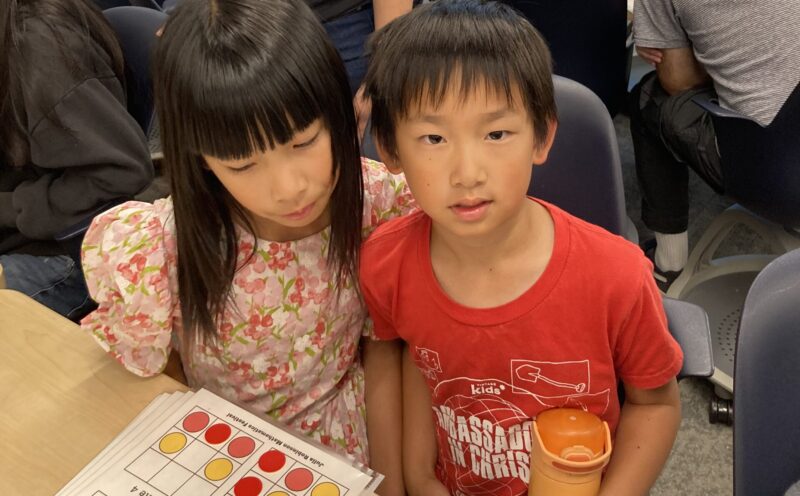
Local elementary and middle school students celebrate the joy of math at UC Santa Cruz-hosted festival
A campus-hosted offering of the Julia Robinson Mathematics Festival helped students build confidence and a sense of belonging around math.
-
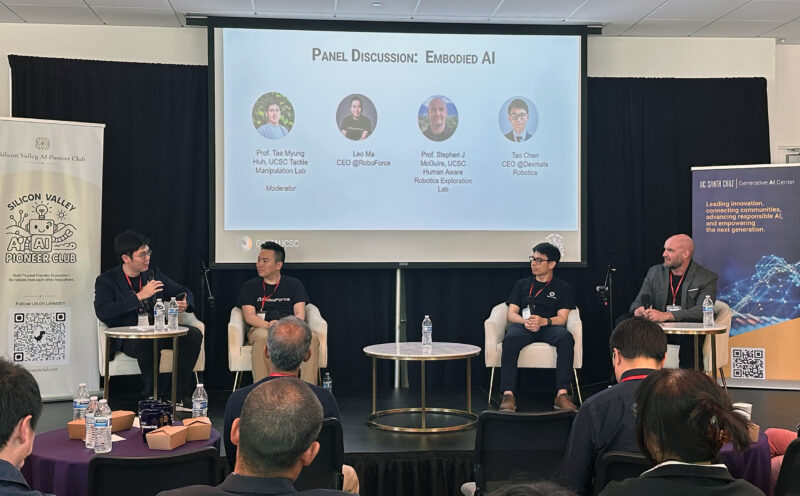
AI leaders gather in Silicon Valley for UC Santa Cruz, SF Tech Week event
More than 200 people gathered for an event called “AI Frontier: Data, Agents & Robots.”
-

Regional ocean dynamics can be better emulated with AI models
Researchers show the success of their technical in a critical region: the Gulf of Mexico.
-

UC Santa Cruz named National Center of Academic Excellence in Cyber Research
The recognition highlights UC Santa Cruz’s research and educational contributions to advancing cybersecurity.
-
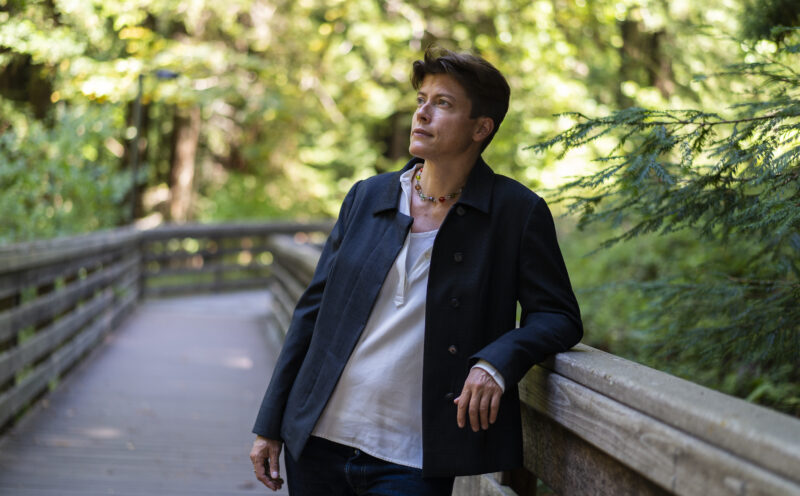
NSF grant explores impact of embedding ethics into genomics, neuroscience, and AI
Professor Jenny Reardon will study how scientists working on high stakes emerging technologies are partnering with ethicists and social scientists to consider societal implications.
-

‘Future-guided’ AI improves seizure prediction
Engineers developed a deep learning method that manipulates time to make better predictions.
-
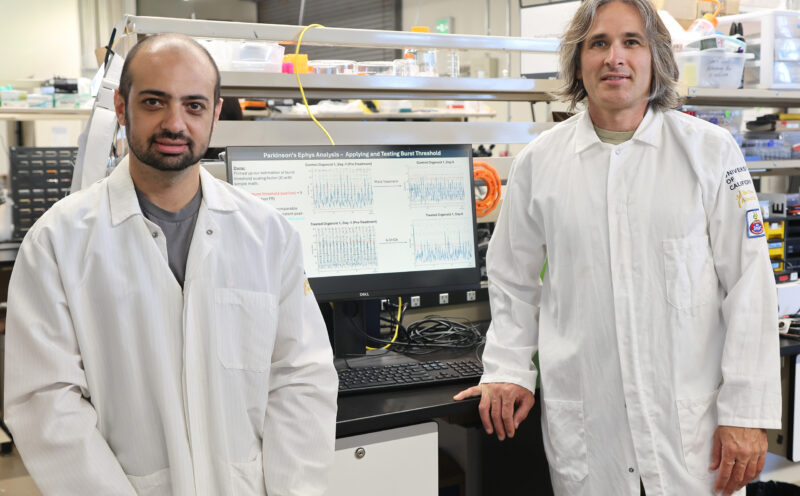
Grants to support brain organoid research on neuropsychiatric and developmental conditions
Two researchers received two-year grants from The Brain & Behavior Research Foundation.
-
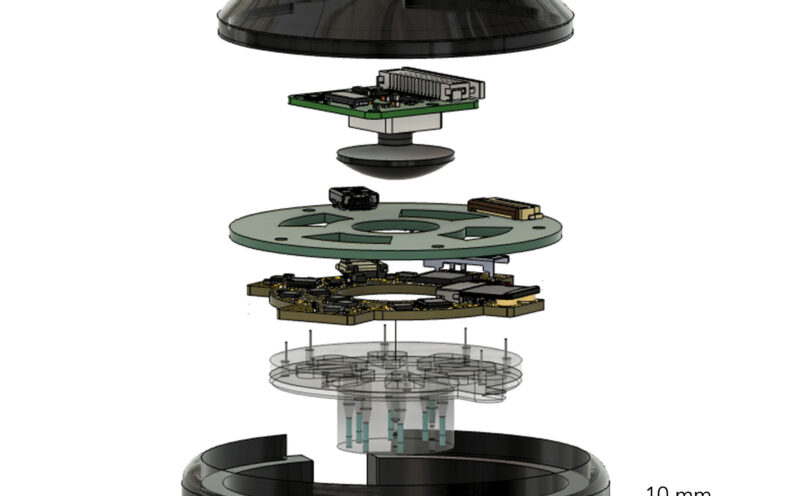
Smart device uses AI and bioelectronics to speed up wound healing process
A wearable device called “a-Heal,” designed by engineers at UC Santa Cruz, aims to optimize each stage of the wound healing process.
-

Study reveals user preferences for social media in the AR ‘metaverse’
Research explores how privacy and content format impact users’ level of comfort in sharing and consuming social media AR content.
-

Models explain mysterious feature controlling magnetic properties of the Sun
UC Santa Cruz applied mathematicians produced the first self-consistent models of the Sun’s tachocline incorporating the correct dynamical ingredients.
-

UC Santa Cruz to help launch first-of-its-kind air mobility test ecosystem on the Central Coast
The test ecosystem for Advanced Air Mobility aircraft along the Central Coast will support innovation and create quality jobs.