All news
-
Astronomers discover a massive rotating disk galaxy in the early universe
The discovery by an international team of astronomers of a massive rotating disk galaxy, seen when the universe was only ten percent of its current age, challenges traditional models of galaxy formation.

-
Virtual art galleries created to exhibit works of 13 Irwin Scholars
This year’s exhibition of artwork by 13 Irwin Scholars typically would be installed at the Mary Porter Sesnon Art Gallery at Porter College. But, with campus closed and a physical exhibition out of the question, Irwin 2020 has gone virtual.

-
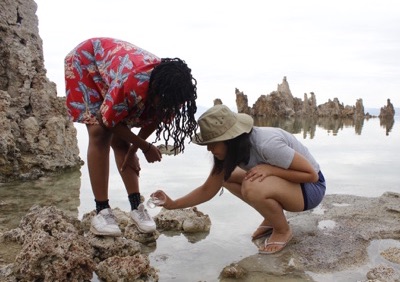
Field courses boost STEM diversity, study reveals
The challenge of diversifying STEM fields may get a boost from the results of a new study that show field courses help build self-confidence among students—especially those from underrepresented groups.
-
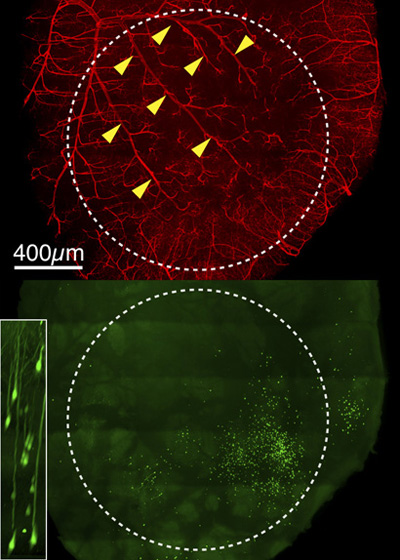
Tracing neurons in the visual cortex sheds light on brain’s circuitry
Researchers used a combination of techniques to identify different neuronal cell types and trace their connectivity within the mouse visual cortex.
-
Outbreak inquiry
Faculty have developed two undergraduate classes that are focusing on the effects and experiences of the coronavirus pandemic, even while the pandemic is under way.

-
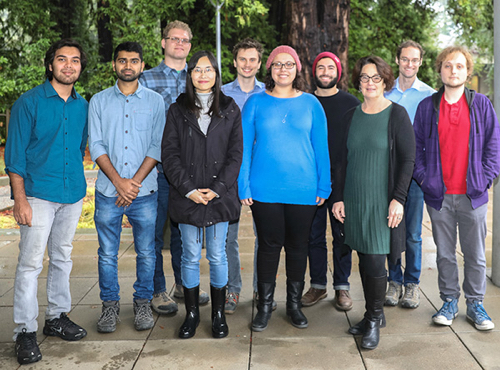
Campus team a finalist in Amazon’s Alexa challenge
UC Santa Cruz’s Team Athena is one of five teams remaining in the Alexa Prize Socialbot Grand Challenge from a field of 375 applicants from around the world.
-
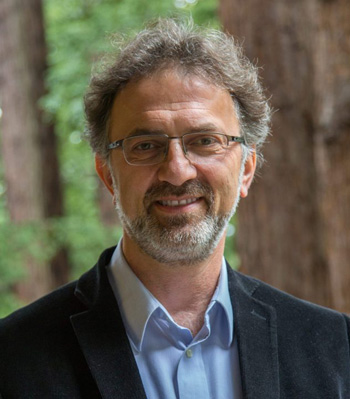
COVID Catalyst Fund supports work on rapid serology test at UC Santa Cruz
Biomolecular engineer Nader Pourmand is evaluating the use of a novel nanosensor to provide rapid, low-cost, and accurate serology tests for coronavirus antibodies.
-
Cowell College: Blazing the trail to lifelong learning
UC Santa Cruz’s first college prides itself on academic rigor and the spirit of community, living up to its motto: “The pursuit of truth in the company of friends.”

-
Washington Post’s depictions of autism shift from “cause and cure” to acceptance, study finds
The Washington Post’s depiction of autism has shifted over the years from a focus on “cause and cure” toward one of acceptance and accommodation, say the authors of a new study.

-
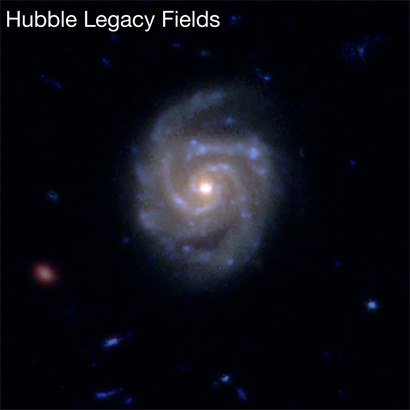
Powerful new AI technique detects and classifies galaxies in astronomy image data
UCSC researchers developed a deep-learning framework called Morpheus to perform pixel-level morphological classifications of objects in astronomical images.
-
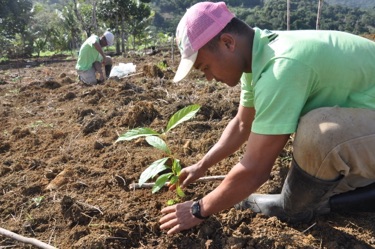
Planting trees is no panacea for climate change, says ecologist
Restoration ecologist Karen Holl has a simple message for anyone who thinks planting 1 trillion trees will reverse the damage of climate change: “We can’t plant our way out of climate change.”
-
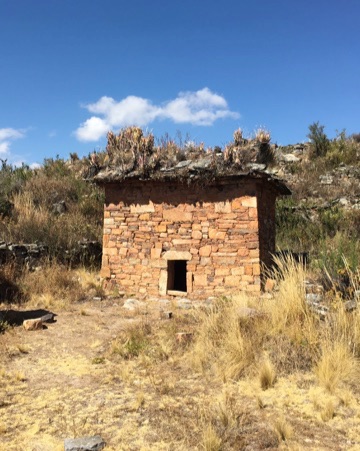
Team reveals genomic history of ancient civilizations in the Andes
An international research team has conducted the first in-depth, wide-scale study of the genomic history of ancient civilizations in the central Andes mountains and coast before European contact.
-
Already vulnerable, gig economy workers in San Francisco suffer during coronavirus pandemic, survey reveals
A new survey of app-based ride-hailing and food and grocery-delivery workers in San Francisco underscores the financial vulnerability of workers in the gig economy—and the coronavirus has made their plight much worse.

-
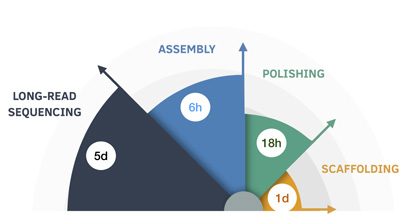
Eleven human genomes sequenced and assembled in nine days
The dawn of good, fast, and cheap human genome assembly has arrived, thanks in part to collaboration and innovation by an international team led by UC Santa Cruz researchers.
-
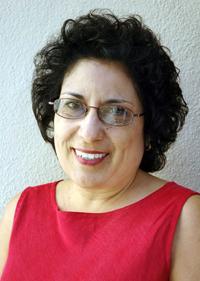
Zavella authors new book about reproductive justice
Pat Zavella, professor emerita of Latin American and Latino studies, has published a new book about the reproductive justice movement that blends research, history, theory, and memoir.
-
Alumnus sews up $1 million prize on TV’s Making the Cut
Graduate Jonny Cota, competing against international designers, makes a splash on reality-style fashion show produced by model Heidi Klum and fashion consultant Tim Gunn.

-
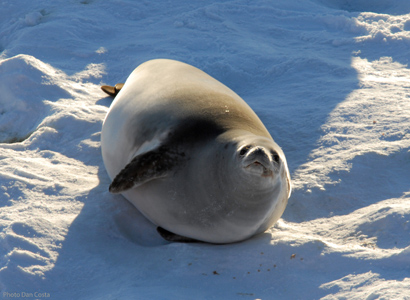
Crabeater seal data used to predict changes in Antarctic krill distribution
Tracking the feeding behavior of crabeater seals allowed researchers to build an oceanographic model of krill habitat and project how it is likely to change in the future.
-
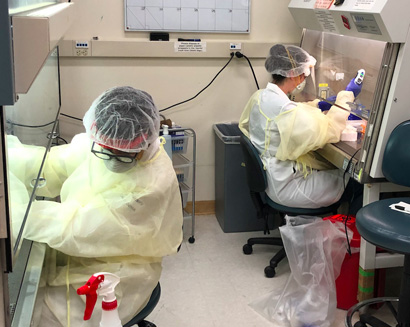
UC Santa Cruz diagnostic lab to begin coronavirus testing May 1
The UCSC Molecular Diagnostic Lab will be conducting tests for coronavirus infections for the Student Health Center and local medical providers.
-
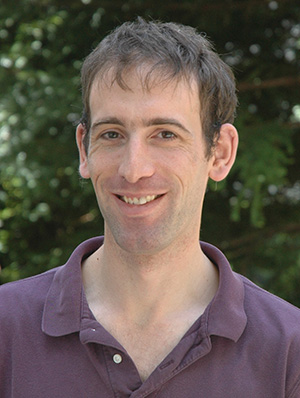
Planetary scientist Francis Nimmo elected to National Academy of Sciences
Francis Nimmo, professor of Earth and planetary sciences, has been elected to the National Academy of Sciences in recognition of his distinguished and continuing achievements in original research.
-
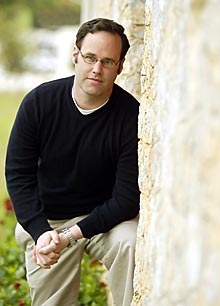
Lecturer Ryan Coonerty named UC Free Speech Fellow
Ryan Coonerty, a longtime lecturer in the Legal Studies program at UC Santa Cruz, has been named a 2020-21 fellow of UC’s National Center for Free Speech and Civic Engagement.
-
‘Seeds of Something Different’ explores campus’s trailblazing history
The 925-page book was inspired by a desire to share the rich treasure trove of oral history and collection of photos and campus posters with the public. It features more than 200 narrators as well as 250 images.

-
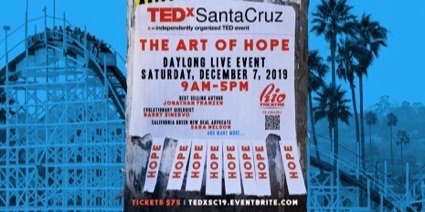
Watch UCSC participants talk about hope during TEDx Santa Cruz
Last December, TEDx Santa Cruz hosted a day-long extravaganza of talks curated around the theme of “The Art of Hope.” Those talks, including ones by several UCSC affiliates, are now available for online viewing.
-
Biologist Upasna Sharma wins prestigious Searle Scholars grant
Funding from the Searle Scholars Program will support Sharma’s research on how environmental effects can be passed down from parents to their offspring.

-
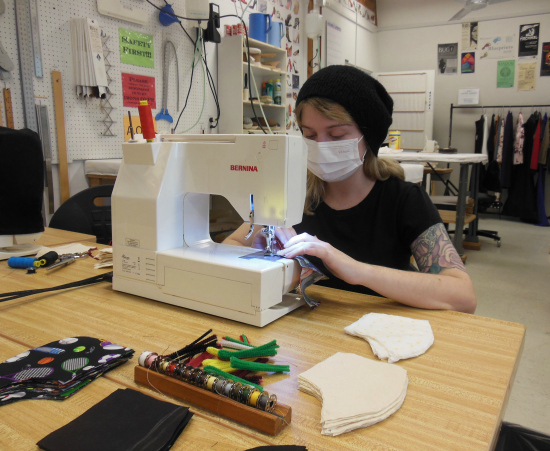
UC Santa Cruz theater arts costume shop steps up to combat COVID-19
Just a couple of weeks ago, Brent Foland never imagined he’d be building face masks for his fellow UC Santa Cruz employees.
-
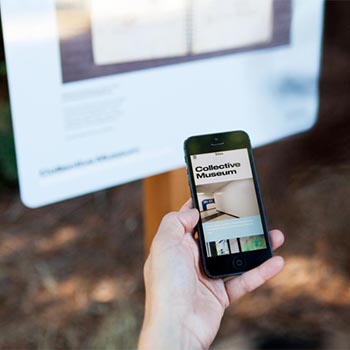
Art in the time of COVID
UC Santa Cruz’s Institute of the Arts and Sciences offers shelter-in-place relief with a new, virtual museum called Art Without Distance, featuring sights, sounds, words, curricula, and even a quirky campus tour.
-
Agroecology major available this fall
Beginning this fall, students will have an opportunity to enroll in a new agroecology major, an interdisciplinary program housed in the Environmental Studies Department.
