All news
-
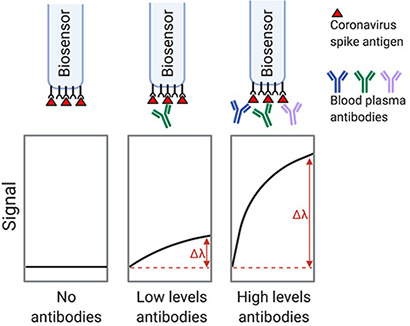
New serological assay provides rapid, accurate testing for SARS-CoV-2 antibodies
Using optical biosensor technology, the test provides quantitative measurements of antibodies in blood plasma in less than 20 minutes.
-
Surge in online grocery shopping brings a quantity-over-quality jobs shift
The coronavirus pandemic has accelerated emerging labor market trends associated with e-commerce in the grocery industry, creating mixed implications for jobs, according to a new report led by UCSC professor Chris Benner.

-
Resiliency is the name of the game for UC Santa Cruz Athletics and Recreation
The department has scored wins in many of the challenges of the pandemic by supporting students remotely, pivoting to online programming, and developing innovative ways to empower student-athletes and student support staff.

-
National Academies report on sustainability education features UC Santa Cruz expertise
UC Santa Cruz professor Anne Kapuscinski chaired the committee that developed the report, and campus initiatives were highlighted within as examples of innovative sustainability education.

-
Marine mammals’ adaptations to low oxygen offer new perspective on COVID-19
Humans are poorly adapted for oxygen deprivation, making us vulnerable to long-term effects from a disease that disrupts the body’s oxygen supply pathway.
-
UCSC offers new M.F.A. degree program in Environmental Art and Social Practice
The UC Santa Cruz Art Department is now accepting applications for a new M.F.A. degree program in Environmental Art and Social Practice (EASP), set to begin in fall quarter of 2021.

-
AXA Chair at UC Santa Cruz funds efforts to build coastal resilience naturally
Marine scientist Michael Beck was awarded the chair to support his work on natural defenses to enhance coastal resilience to flooding, erosion, and sea level rise.

-
Psychology research shows ‘water cooler talk’ can have big benefits
In settings where people are working together on a task, making time for small talk allows for a newly-described behavior called “reciprocity in conversation,” which is associated with higher levels of task enjoyment.
-
Direct visualization of quantum dots reveals shape of quantum wave function
UCSC researchers used a scanning tunneling microscope to visualize quantum dots in bilayer graphene, an important step toward quantum information technologies.

-
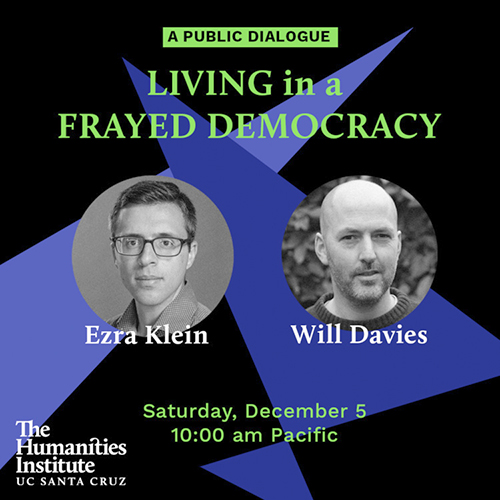
‘Living in a Frayed Democracy’: Ethics lecture to feature noted alumnus Ezra Klein
UC Santa Cruz will present “Living in a Frayed Democracy,” a trans-Atlantic public dialogue, featuring noted UCSC alumnus and journalist Ezra Klein and London political economist William Davies, as part of the Humanities Division’s Peggy Downes Baskin Ethics Lecture Series…
-
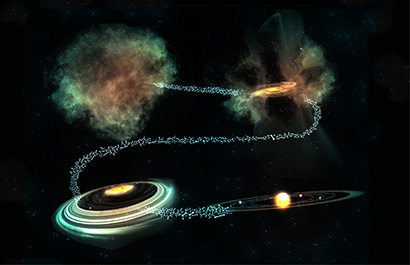
UC Santa Cruz leads interdisciplinary consortium for astrobiology research
With funding from NASA, the UCSC-led team will lay the foundation for detecting the signatures of life in the atmospheres of other planets.
-
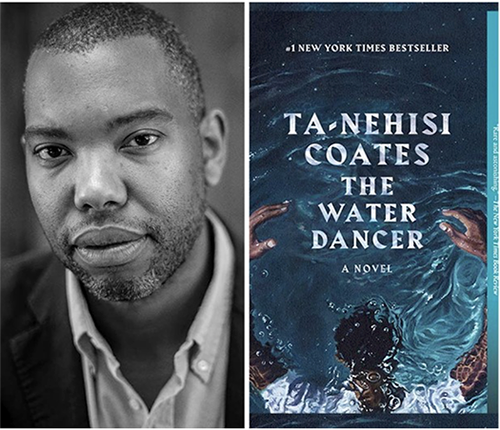
Humanities Institute to host acclaimed writer Ta-Nehisi Coates in special post-election event
Coates will be in conversation with Adam Serwer, staff writer at The Atlantic magazine, to discuss his acclaimed novel “The Water Dancer”—as well as the state of the country after the election
-
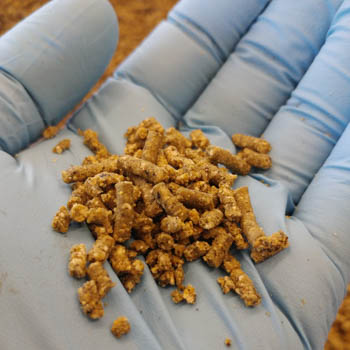
Research breakthrough achieves fish-free aquaculture feed that raises key standards
A new aquaculture feed formula eliminates conventional fish meal and fish oil ingredients by combining ingredients derived from two species of marine microalgae.
-
Computer scientist Lise Getoor receives research funding from Google
A new project on recommender dialogue systems led by Getoor and her collaborators at UC Santa Barbara and USC will receive $1 million in funding over three years.

-
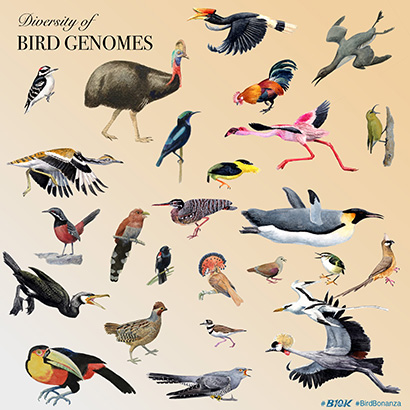
New genome alignment tool empowers large-scale studies of vertebrate evolution
Important new studies of the evolution of birds and mammals relied on Progressive Cactus, a genome alignment tool developed at the UC Santa Cruz Genomics Institute.
-
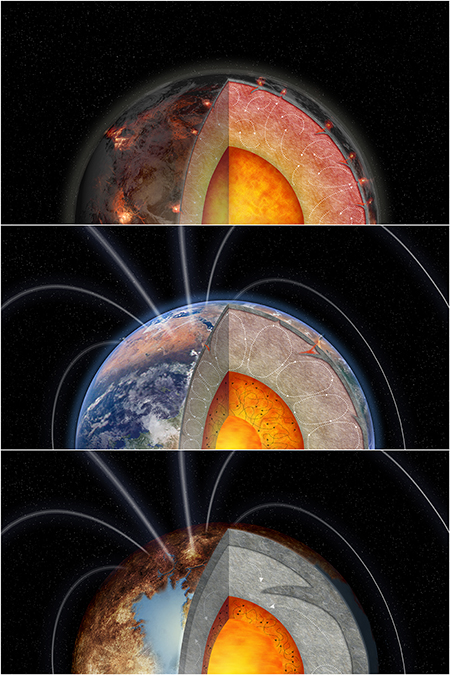
Radioactive elements may be crucial to the habitability of rocky planets
Earth-size planets can have varying amounts of radioactive elements, which generate internal heat that drives a planet’s geological activity and magnetism.
-
The 2020 new Slug reality: Handling adversity and transitioning to a virtual learning experience
Remote learning has its challenges, but the newest class of Banana Slugs is making the most out of this uncharted experience.
-
Arts professor micha cárdenas wins IndieCade Award for climate art game
Sin Sol (No Sun), an art game by UCSC assistant professor of Art & Design: Games and Playable Media, micha cárdenas, has won the Impact Award at the 2020 IndieCade International Festival of Independent Games.
-
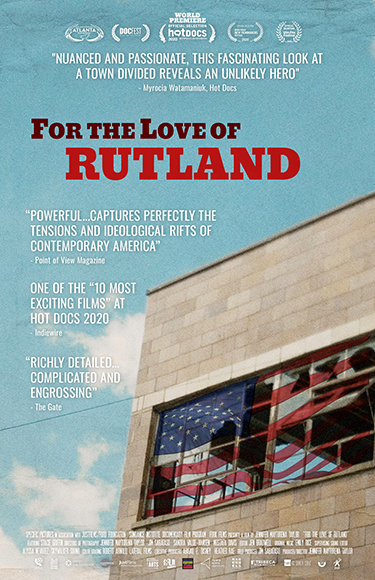
Film professor Jennifer Taylor’s new documentary to screen online at DOC NYC film festival
America’s largest documentary film festival will be screening ‘For the Love of Rutland’—the new documentary feature by UCSC associate professor of film and digital media Jennifer Maytorena Taylor—online throughout the U.S. this month.
-
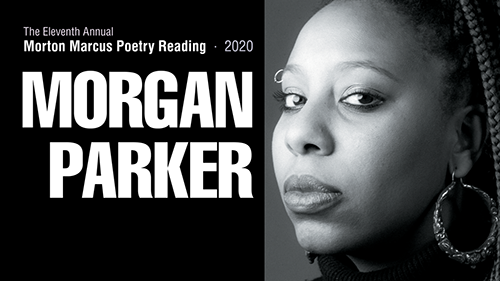
Award-winning poet Morgan Parker to read at 11th annual Morton Marcus memorial event
Acclaimed poet, essayist, and novelist Morgan Parker will be the featured guest at the 11th annual Morton Marcus Memorial Poetry Reading, which takes place this year as a virtual event on November 12.
-
Quantitative ecologist wins Tansley Medal for plant science contributions
Environmental studies assistant professor Kai Zhu was recently chosen from a global field as one of two recipients of the Tansley Medal for Excellence in Plant Science, presented by the journal New Phytologist.

-
Student housing environmental review affirmed by the courts
A UC Santa Cruz project that will significantly increase campus housing options for current graduate and undergraduate students has cleared a crucial hurdle in the courts.

-
Novel technique spotlights neuronal uptake of amyloid beta in Alzheimer’s disease
Study finds a short section of the amyloid beta protein is recognized by the cellular prion protein, which mediates its uptake into neurons and subsequent toxicity.

-
Wildfire brings destruction and opportunity to researcher’s field site
Hydrologist Margaret Zimmer has received NSF funding to study the impact of wildfire on the site where she has been studying how water moves through the landscape.

-
Genetic analysis system yields new insights into bacterial pneumonia
Using a CRISPR interference system to study virulence genes in a mouse model of pneumonia, scientists observed surprising variability in how the disease progresses.