All news
-
UC Santa Cruz’s Research Center for the Americas to be named in honor of Dolores Huerta
UC Santa Cruz will rename the Research Center for the Americas, which is celebrating 30 years of groundbreaking research, in honor of social justice icon Dolores Huerta, whose legacy has influenced the center’s work and values.

-
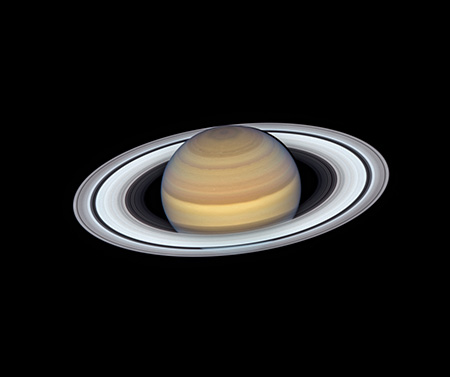
Saturn’s rings and tilt could be the product of an ancient, missing moon
A “grazing encounter” may have smashed the moon to bits to form Saturn’s rings, a new study suggests.
-
Karen Miga to speak with former president and other visionaries at the Clinton Global Initiative Meeting
This Tuesday, September 20 at 1:30 PST, Karen Miga will speak during the conference’s closing plenary session, joining Bill Clinton, Lin Manuel Miranda, Dolores Huerta, and more.
-
New program will mentor and train students underrepresented in genomics research
The UC Santa Cruz Genomics Institute will partner with California State University, Monterey Bay (CSUMB) and the University of Puerto Rico, Río Piedras Campus to mentor and provide genomics research experience for students from these two hispanic-serving institutions.

-
Study reveals the molecular origin of the genetic disease cystinosis
New understanding of how the transporter protein cystinosin functions may lead to better treatments for a devastating genetic disease.
-
Record of Antarctic ice sheet response to climate cycles found in rock samples
The effects of global climate cycles on Southern Ocean temperatures drove cycles of melting and freezing in the East Antarctic Ice Sheet every few thousand years, according to a new study.

-
Innovative climate resilience projects supported by 2022 CITRIS Campus Seed Funding awards
Four winning projects have been funded through the The Center for Information Technology Research in the Interest of Society (CITRIS) and the Banatao Institute at UC Santa Cruz’s Campus Seed Funding program to pursue research relating to climate resilience.

-
UCSC researchers win big at American Sociological Association annual meeting
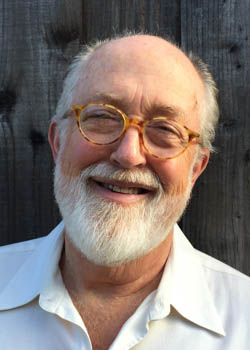
Professor emeritus Craig Reinarman was honored with the 2022 Senior Scholar Award by the ASA’s Drugs and Society Section, and Ph.D. student Michelle Gomez Parra received the Sociology of Sexualities Section’s Martin P. Levine Memorial Dissertation Fellowship. Politics Professors Eleonora…
-
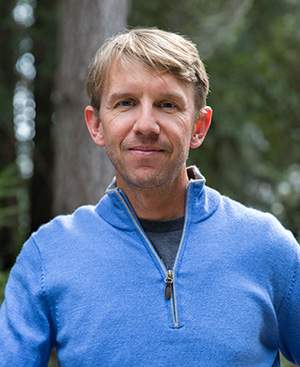
With Pivot Fellowship, astronomer J. Xavier Prochaska turns to oceanography
A new program from the Simons Foundation supports successful researchers who have a deep interest, curiosity, and drive to make contributions to a new discipline.
-
New study confirms ‘rippled sheet’ protein structure predicted in 1953
UCSC scientists reported three crystal structures of periodic rippled beta sheets, a novel protein structure with potential applications in biomedicine and materials science.

-
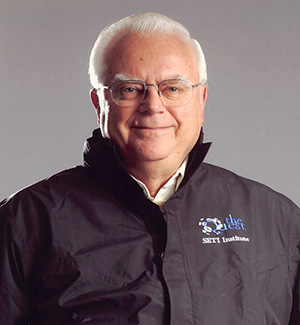
Pioneering radio astronomer Frank Drake dies at 92
Frank Drake, professor emeritus of astronomy and astrophysics and an eminent radio astronomer known for his pioneering efforts in the search for extraterrestrial intelligence (SETI), died September 2 at his home in Aptos.
-
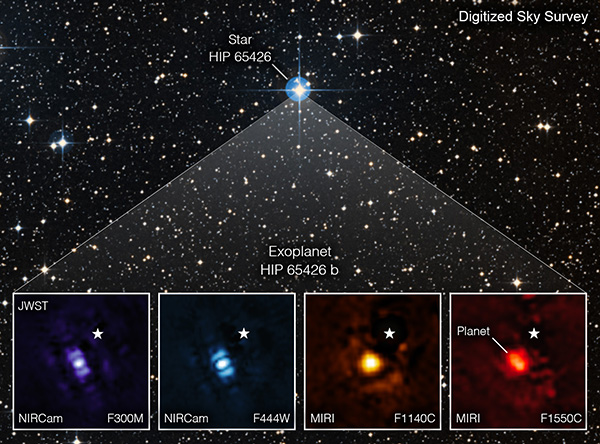
NASA releases Webb telescope’s first exoplanet image
UCSC astronomers led the analysis of the first exoplanet images captured by the James Webb Space Telescope.
-
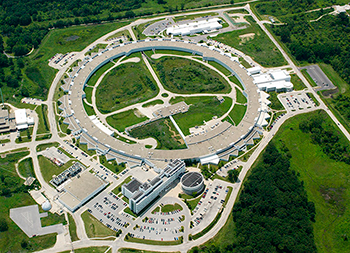
Applied mathematician wins DOE grant to improve the safety of particle accelerators
UCSC Professor of Applied Mathematics Dongwook Lee has won a three-year, $1.1 million grant from the U.S. Department of Energy, which will fund his research on improving computer models for safety mechanisms within particle accelerators.
-
NSF award will support project to promote reproducibility in computer science
With the support of a three-year, $900,000 grant from the NSF, Carlos Maltzahn will participate in collaborative research to increase the reproducibility of computer science research.

-
JWST makes first unequivocal detection of carbon dioxide in an exoplanet atmosphere
UCSC astronomer Natalie Batalha leads a team that detected carbon dioxide in the atmosphere of the exoplanet WASP-39b using the James Webb Space Telescope.

-
Political parties use gerrymandering to counteract shifting voter preferences in key battleground states
Research that focused on battleground states suggests that whichever party controls the redistricting process in the state legislature engineers an 11 percentage point increase in its probability of winning a U.S. House race in the next election. And these advantages…

-
UCSC’s Ricardo Sanfelice appointed inaugural director of CITRIS Aviation
Professor of Electrical and Computer Engineering Ricardo Sanfelice was appointed the as the inaugural director of the CITRIS Aviation initiative.

-
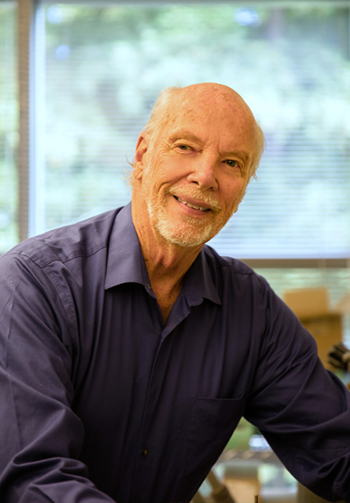
From concept to commercialization: how UCSC researchers revolutionized DNA sequencing
More than a quarter century since the first patents were filed, the UCSC researchers who pioneered nanopore sequencing reflect on the impact of their invention
-
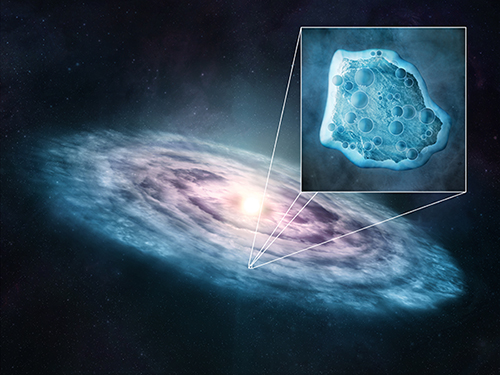
Missing carbon monoxide in planetary disks was hiding in the ice
In planetary disks, carbon monoxide is lurking in large chunks of ice, solving the decade-old question, ‘Where is the CO?’
-
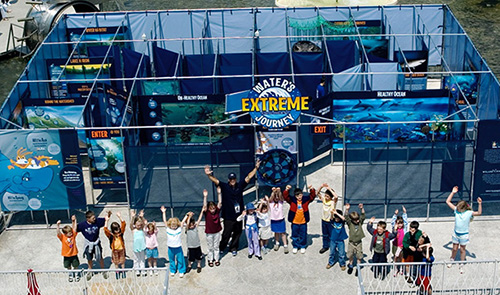
‘Water’s Extreme Journey,’ a new exhibit at the Seymour Center, opens in September
A new exhibit opening in September at the Seymour Marine Discovery Center features a maze and interactive activities highlighting the challenges of keeping our water clean.
-
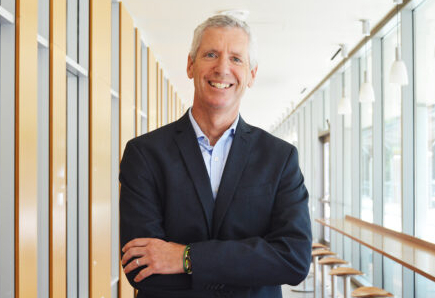
Economics Professor Robert Fairlie takes home the Bradford-Osborne Research Award for the second year in a row
The annual award recognizes the best peer-reviewed paper on diversity and entrepreneurship, and Fairlie was honored for his years-long research on the lack of access to capital for Black-owned startups compared to white-owned startups.
-
Biomolecular engineering professor awarded $1.9M grant to understand and engineer pluripotent stem cells
UC Santa Cruz Assistant Professor Ali Shariati and his lab will investigate the molecular feedback mechanisms responsible for the coordination of embryonic stem cell division and differentiation to develop novel strategies for their use in regenerative medicine.

-
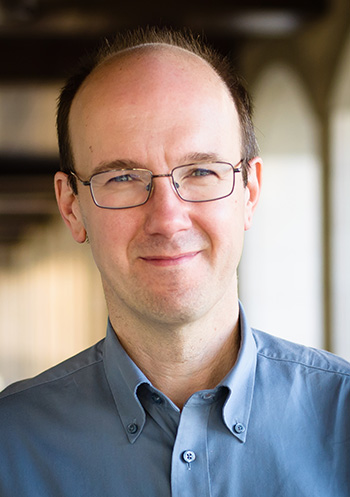
Astrophysicist Bruce Macintosh appointed director of UC Observatories
UC President Michael Drake has appointed Bruce Macintosh director of UC Observatories, an astronomical research unit headquartered at UC Santa Cruz and serving nine UC campuses.
-
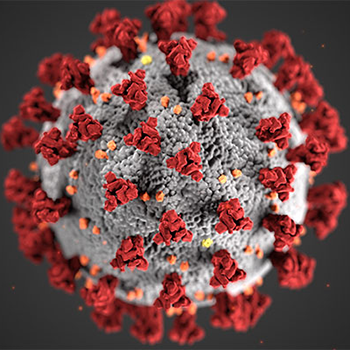
New study shows COVID-19 genomic recombination is uncommon but disproportionately occurs in spike protein region
An analysis of millions of SARS-CoV-2 genomes finds that recombination of the virus is uncommon, but when it occurs, it is most often in the spike protein region, the area which allows the virus to attach to and infect host…
-
Envisioning food systems change with new Center for Agroecology Executive Director Darryl Wong
The UC Santa Cruz news team interviewed the Center for Agroecology’s new executive director, Darryl Wong, to learn more about the center’s goals for the future and the perspective he’ll bring to the role.