All news
-
Coastal wetlands dramatically reduce property losses during hurricanes
A new scientific study reports that coastal wetlands significantly reduce annual flood losses and catastrophic damages from storms.

-
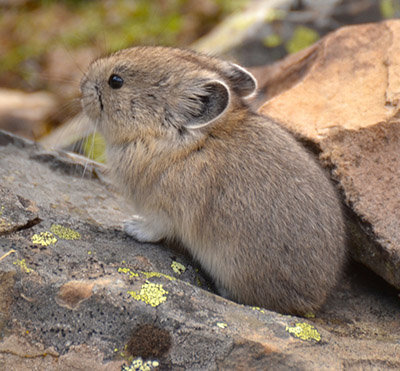
American pika disappears from large area of California’s Sierra Nevada mountains
Study documents local extinction of pikas from the largest area yet reported and projects climate change will cause drastic decline for the charismatic mammal within decades
-
Humanities alum Michael Scherer joins ‘Washington Post’ as national political reporter
Michael Scherer will join the Washington Post as a national political reporter in September. One of the first students in the Creative Writing Program led by literature professors Micah Perks and Karen Yamashita, Scherer graduated from UC Santa Cruz in…
-
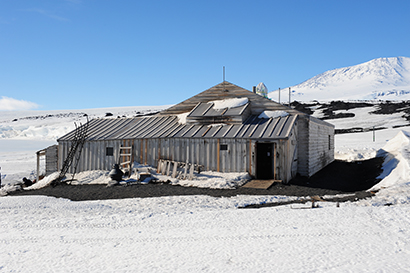
Century-old seal pelts reveal changes in Ross Sea ecosystem
Scientists found valuable samples for comparison to modern Weddell seals in the huts of Antarctic explorers Ernest Shackleton and Robert Falcon Scott.
-
USDA awards $2.5 million grant to UC Santa Cruz to expand organic strawberry research
UC Santa Cruz researchers who have pioneered alternatives to methyl bromide in commercial strawberry production have received a $2.5 million grant from the U.S. Department of Agriculture that will take their work national.

-
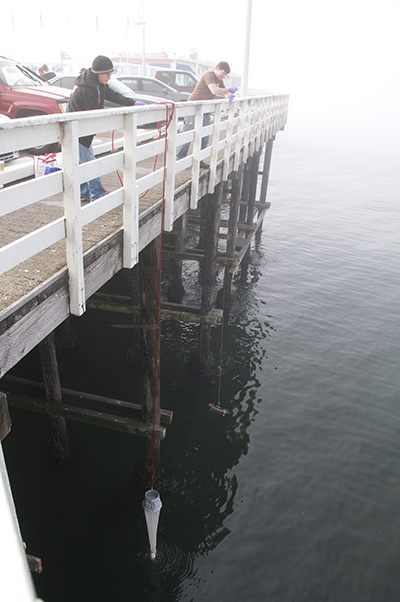
What causes algal blooms to become toxic?
NOAA grant funds an investigation to find what triggers production of the toxin domoic acid by marine algae in events that can harm wildlife and close coastal fisheries.
-
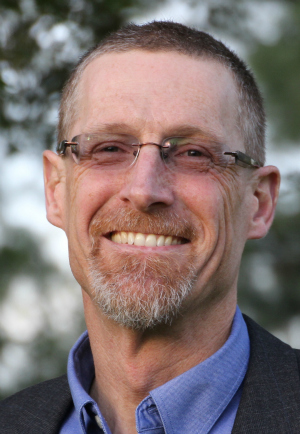
Lessons of regional recovery from around the country
As the country’s political and cultural divides appear insurmountable, Chris Benner says hope can be found at the local and regional level.
-
Alum and independent filmmaker Peter Bratt directs, writes, and produces documentary about labor activist Dolores Huerta
Independent filmmaker Peter Bratt, a 1986 politics graduate of Cowell College, has written, directed, and produced a new documentary about legendary labor activist Dolores Huerta.

-
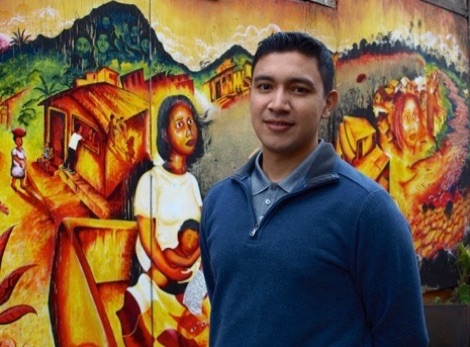
Murals tell a story of pan-Latino solidarity in SF’s Mission District
Graduate student Mauricio Ramírez is an artist, a muralist, and a native San Franciscan who is fascinated by the murals in the Mission District of San Francisco—and by the progressive coalition of artists and immigrants that coalesced during the decades…
-
Launchpad offers a boost to innovation
Launchpad, managed by the Industry Alliances & Technology Commercialization (IATC) Office, will be offering $5,000, $10,000, and $15,000 grants to promising UCSC technologies in science and engineering. Applications will be accepted until Sept. 28.

-
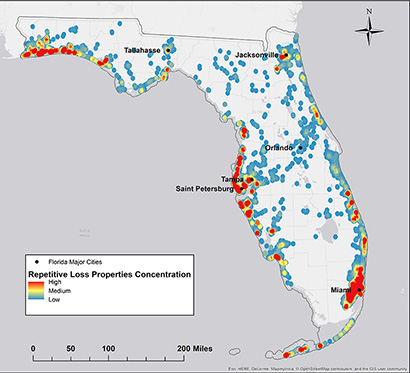
Florida flood risk study identifies priorities for property buyouts
A study of flood damage in Florida proposes prioritizing property buyouts based on flood risk, ecological value, and socioeconomic conditions.
-
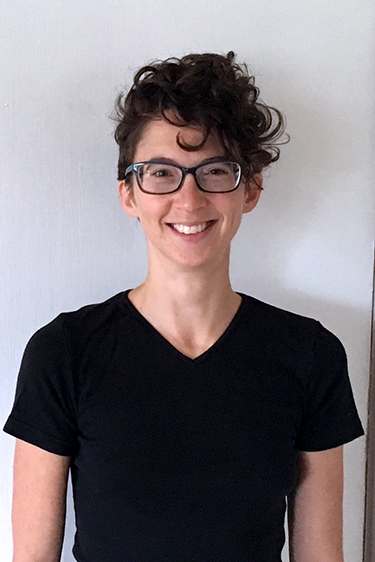
UC Santa Cruz humanities alumna named 2017 Mellon/ACLS Public Fellow
Sophia Magnone (Ph.D. Literature, 2016) is one of 20 new Mellon/ACLS Public Fellows nationwide who will take up two-year assignments working in the fields of policy, civil rights, arts and culture, and the media.
-
Tuning in to social justice
Professor-turned-radio show producer Sylvanna Falcón talks about the importance of public scholarship in the Trump era.

-
Social psychology sheds light on Trump’s appeal
The surprising election of Donald Trump prompted a widespread desire to understand the factors at play in his unexpected victory. A recent analysis suggests that five social-psychological phenomena helped power Trump to victory: authoritarianism, social dominance orientation, prejudice, relative deprivation,…
-
New analysis casts doubt on predicted decrease in Oklahoma earthquakes
Seismologists say a significant seismic hazard continues despite recent reductions in injection of wastewater from oil and gas production.

-
Telling stories that haven’t been told
Filmmaker and alumnus Tal Skloot aims to show a different perspective with eclectic, meaningful subject matter.

-
Four Earth-sized planets detected orbiting the nearest sun-like star
Four Earth-sized planets orbit the nearest sun-like star, tau Ceti, which is about 12 light years away and visible to the naked eye, astronomers say.

-
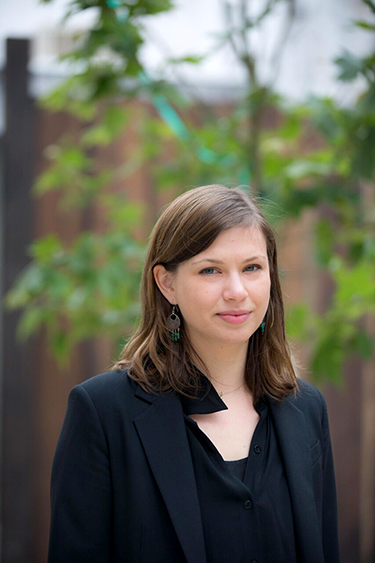
History professor Alma Heckman named Neufeld-Levin Chair of Holocaust Studies
Assistant professor of history and Jewish Studies Alma Rachel Heckman has been appointed as the new holder of the Neufeld-Levin Holocaust Endowed Chair at UC Santa Cruz
-
UC Santa Cruz celebrates 50 years of organic farming
The three-day celebration culminated with a joyful dinner presided over by famed chef, restaurateur, and organic food advocate Alice Waters.

-
UC Santa Cruz humanities alum wins Cabot Prize for journalism in Latin America
Washington Post correspondent and UC Santa Cruz alumnus Nick Miroff has been awarded a 2017 Maria Moors Cabot Prize for his reporting in Latin America.

-
Marine biologists John and Vicki Pearse honored at international conference
Marine biologists John and Vicki Pearse were honored for their contributions to echinoderm research at the 2017 North American Echinoderm Conference.

-
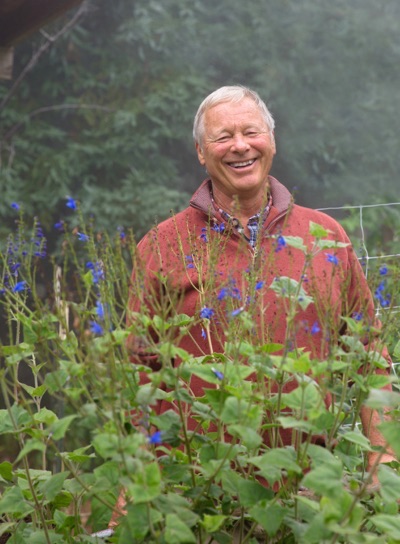
Master gardener Orin Martin celebrates 40 years at the Alan Chadwick Garden
Orin Martin, who is celebrating his 40th anniversary with the UC Santa Cruz Farm & Garden this month, enjoys every minute, calling the students and apprentices he shares his days with “the light of the world.”
-
Superluminous supernova marks the death of a star at cosmic high noon
At a distance of 10 billion light years, a supernova detected by the Dark Energy Survey team is one of the most distant ever discovered and confirmed.

-
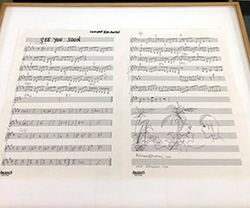
Library receives Recordings at Risk grant to preserve Cabrillo Festival tapes
UC Santa Cruz is the recipient of a Recordings at Risk grant from the Council on Library and Information Resources to digitize 69 open-reel audiotapes of live music performances from the Cabrillo Festival of Contemporary Music.
-
Intercollegiate athletics program charts course into the future
The NCAA Division III program, which has been under a budget cloud for the past several years, can now confidently look toward the future. The program has been bolstered by a new student fee, was recently restructured so it aligns…

-
UCSC arts research center awarded $250,000 grant from U.S. Forest Service
The U.S. Forest Service has awarded a $250,000 grant to the Center for the Study of the Force Majeure, a research center based in the Arts Division at UC Santa Cruz.