All news
-
When exoplanets collide
Scientists thought they found clues pointing to a collision between two exoplanets ten years ago. Now they found more evidence of a catastrophic collision.

-
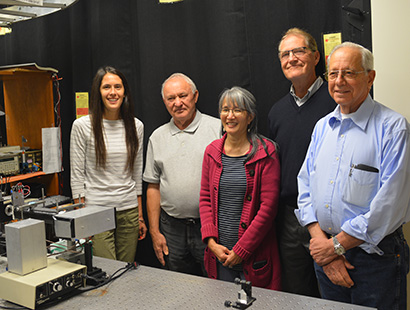
Biophysicist David Kliger investigates how a protein goes wrong and causes blindness
Abnormal versions of the protein rhodopsin lead to blindness in people with the genetic disease retinitis pigmentosa.
-
Learning on the playground: How elementary school recess enhances every aspect of child development
Recess is a lot like school lunch: Some kids get lasagna with an organic green salad, some get a burrito out of a box, and some do without. Like lunch, who gets recess—and who gets good recess—is often determined by…

-
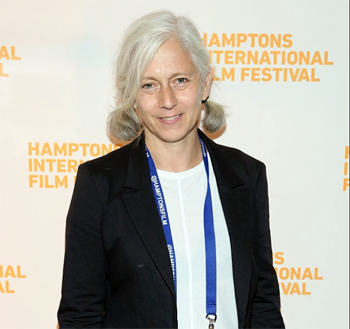
Dee Hibbert-Jones receives 2019 International Documentary Association grant for new animated film
UC Santa Cruz professor of art Dee Hibbert-Jones has won a 2019 International Documentary Association (IDA) grant for “Run With It”–an animated documentary film she is currently working on in collaboration with San Francisco artist Nomi Talisman.
-
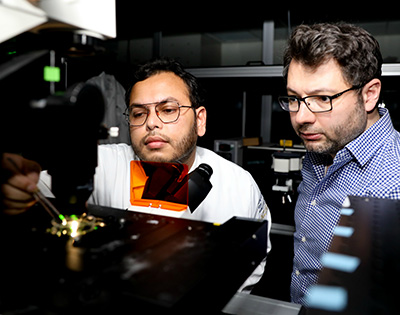
Novel nanoprobes show promise for optical monitoring of neural activity
A new approach for studying neural circuits offers advantages over both microelectrodes and fluorescence-based optical techniques that require genetic modifications.
-
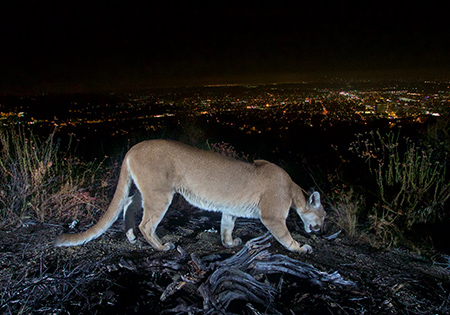
Whole genome sequencing could help save pumas from inbreeding
The first complete genetic sequences of individual mountain lions point the way to better conservation strategies for saving threatened populations of the wild animals.
-
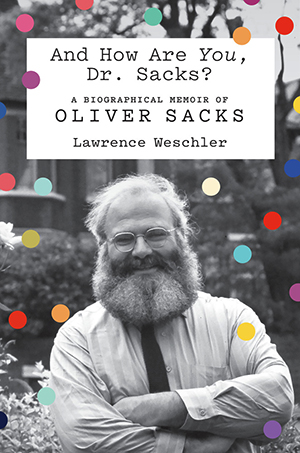
‘A Conversation about Oliver Sacks’ to feature alumnus Lawrence Weschler and Radiolab’s Robert Krulwich
Celebrated writer and UC Santa Cruz alumnus Lawrence Weschler will join Radiolab’s Robert Krulwich for a public conversation about the late neurologist and acclaimed author Oliver Sacks on October 21, at 7 p.m. in the Music Center Recital Hall.
-
Litquake Santa Cruz to offer ‘Funny & Peculiar: Santa Cruz Writers on Keeping It Weird’
In honor of its 20th anniversary, “Litquake,” San Francisco’s annual literary festival, has created 20 new events in 20 cities across the country outside of San Francisco. One of those events will take place at Bookshop Santa Cruz on October…

-
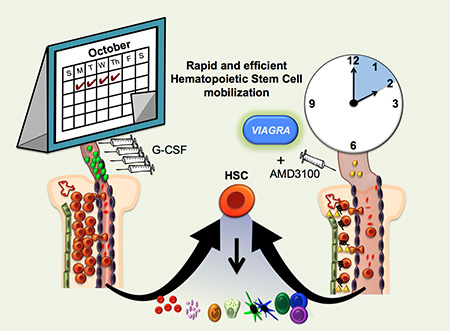
Viagra shows promise for use in bone marrow transplants
By dilating blood vessels, Viagra enhances the mobilization of blood-forming stem cells from the bone marrow so they can be collected from the blood for transplants.
-
New CITL workshop covers important teaching strategies
A new two-day workshop on teaching covered areas new professors need to know—teaching strategies to help close equity gaps; mentoring and assisting first generation students; handling cheating and plagiarism; and managing teaching assistants.

-
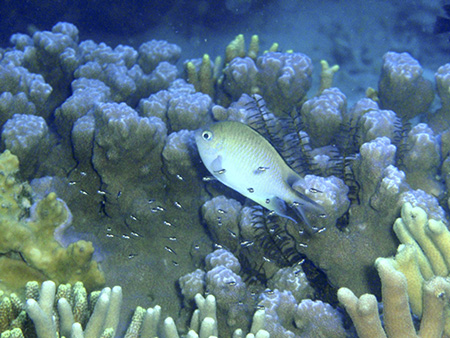
Reef fish caring for their young are taken advantage of by other fish
Biologists have reported the first evidence of brood parasitism in coral reef fish, finding unrelated young fish in groups of young being protected by their parents.
-
New Human Rights Lab trains students to investigate wrongdoing
The new Human Rights Lab went live this fall with 19 students who have learned high-tech, digital-verification skills they will use to investigate alleged human rights abuses around the globe.

-
$8.5 million gift supports UC Santa Cruz Genomics Institute
An anonymous gift of $8.5 million to UCSC establishes the Healthier World Fund for the UC Santa Cruz Genomics Institute.

-
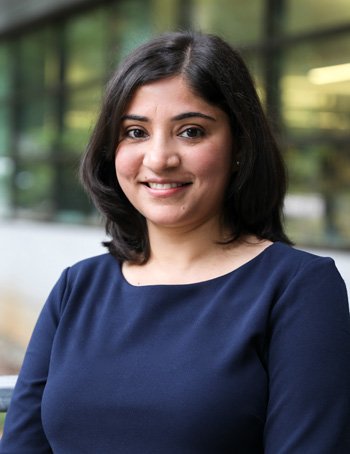
Biologist Upasna Sharma wins NIH Director’s New Innovator Award
The prestigious $1.5 million grant will fund Sharma’s research on how environmental effects can be passed down from parents to their offspring.
-
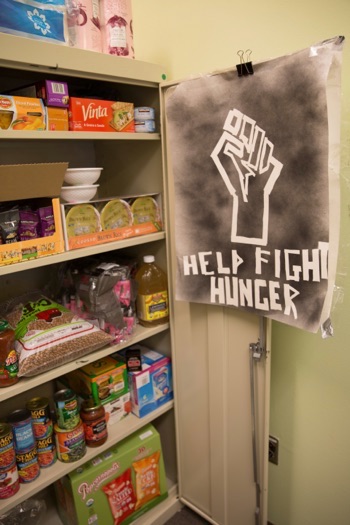
Campus receives $1.5 million from state for ‘Basic Needs’ programs
An infusion of state funds is enabling the campus to expand its “basic needs” programs, including initiatives to make free food available on campus seven days a week and to help students who need emergency housing assistance.
-
Galaxy found to float in a tranquil sea of halo gas
Analysis of radio pulses that passed through a galactic halo reveals a surprisingly quiescent halo with very low density and weak magnetic field.

-
Climate report describes escalating impacts on oceans, ice, and snow
UCSC ocean scientist Raphael Kudela is a lead author of the IPCC Special Report on the Ocean and Cryosphere in a Changing Climate, which provides new evidence for the benefits of limiting global warming.
-
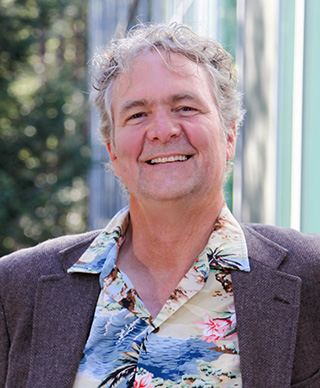
NIH funds new centers to expand and diversify the human reference genome
The UC Santa Cruz Genomics Institute will play a leading role in the ambitious new Human Pangenome Reference Sequence Project.
-
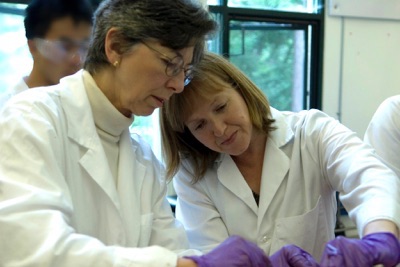
Anthropologist Adrienne Zihlman publishes 450-page opus on ape anatomy and evolution
Anthropology Professor Emerita Adrienne Zihlman has published a 450-page volume that presents the “big picture” of what she has learned about human origins from her painstakingly thorough study of modern ape anatomy over the last four decades.
-
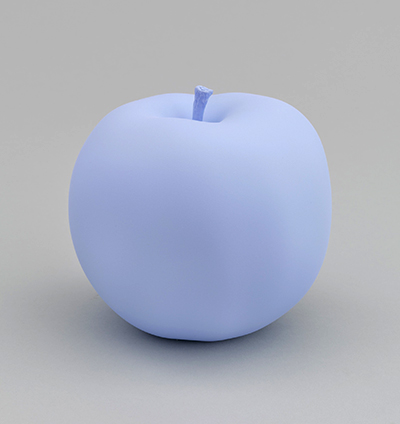
UCSC’s Sesnon Gallery to feature works by Andy Warhol, Cindy Sherman, Ai Weiwei
Limited edition works by Andy Warhol, Ai Weiwei, Cindy Sherman, and more than a dozen other influential internationally known contemporary artists will be on display at a new exhibition opening this fall at the Mary Porter Sesnon Art Gallery.
-
Sustainable aquaculture initiative lands $245,000 federal grant
Anne Kapuscinski, professor of environmental studies and director of the Coastal Science and Policy Program, has received a $245,000 federal grant that will support her team’s work driving efforts to make aquaculture more sustainable.

-
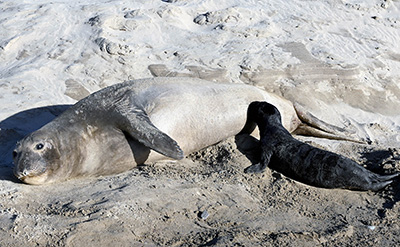
Elephant seal ‘supermoms’ produce most of the population, study finds
High mortality rates for young elephant seals means long-lived females dominate the reproductive output of the population.
-
Youth activism is on the rise around the globe, and adults should pay attention, says author
Greta and Malala get the headlines, but Jessica Taft says that for every young leader pictured on a magazine cover, thousands more are working tirelessly for causes like climate justice, racial and gender equality, LGBTQ rights, and economic change.

-
UC Santa Cruz among Sierra magazine’s top 25 cool schools
Reflecting a campuswide commitment to the long-term health of the Earth, UC Santa Cruz is among Sierra magazine’s top 25 “Cool Schools” for 2019.

-
UC Santa Cruz ranks as a top worldwide research university
UC Santa Cruz is among the top 200 research universities in the world, according to the latest analysis published by Times Higher Education (THE).

-
UC Santa Cruz ranks as a leading university for social mobility
UC Santa Cruz debuted as the second best university in the country for social mobility, according to the 2020 U.S. News and World Report rankings.