Office of Research
-

Earliest, most distant galaxy discovered with James Webb Space Telescope
An international team of astronomers today announced the discovery using NASA’s James Webb Space Telescope (JWST) of the two earliest and most distant galaxies yet confirmed, dating back to only 300 million years after the Big Bang.
-

Researchers explain social media’s role in rapidly shifting social norms on gender and sexuality
A new paper by UC Santa Cruz psychologists describes how social media has supported an explosion of diversity in gender and sexuality in America by empowering authentic self-expression. However, these technologies have also equally enabled a cultural backlash.
-
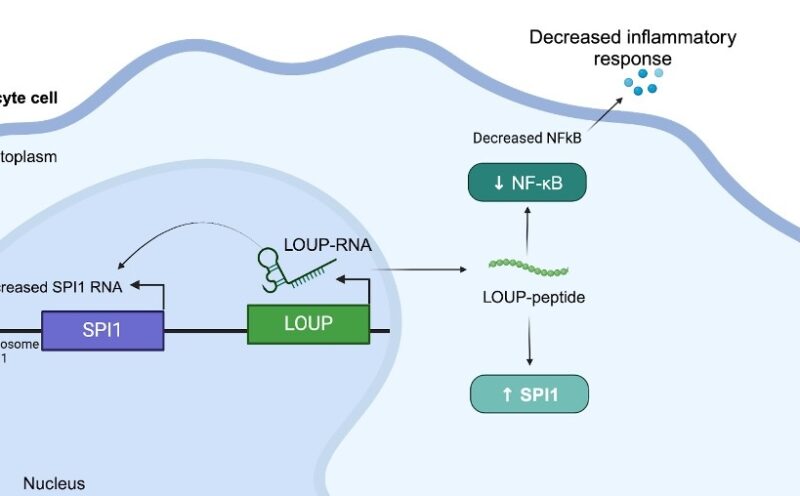
New study discovers tiny target on RNA to short-circuit inflammation
UC Santa Cruz researchers have discovered a peptide in human RNA that regulates inflammation and may provide a new path for treating diseases such as arthritis and lupus. The team used a screening process based on the powerful gene-editing tool CRISPR to shed light on one of the biggest mysteries about our RNA.
-

New exoplanets catalog showcases diverse, exotic worlds
Our understanding of exoplanets, those strange worlds that orbit stars beyond our solar system, is now broader and deeper thanks to separate studies published this week featuring the work of researchers at UC Santa Cruz.
-
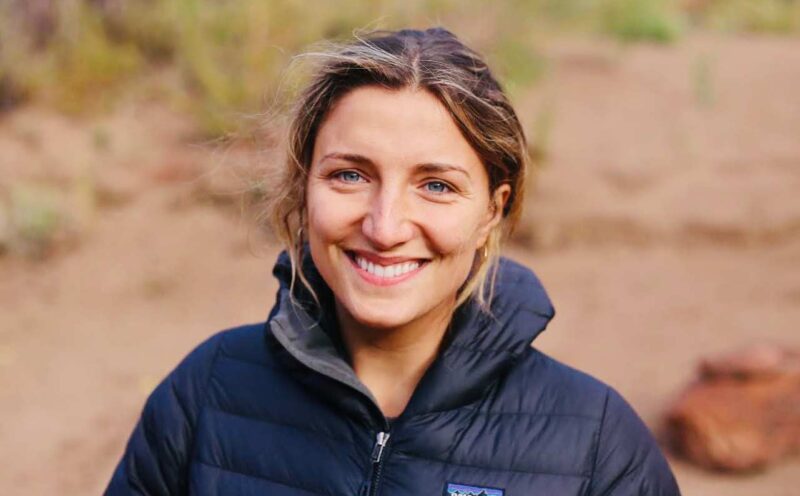
Finding the most natural solutions to climate change
From a young age, Rae Taylor-Burns knew she wanted to help solve the planet’s most pressing issue.
-

Ukraine blackouts caused by malware attacks warn against evolving cybersecurity threats to the physical world
A new paper presents the first study of how two major malware attacks in Ukraine operated and interacted with the physical power system equipment to cause blackouts.
-
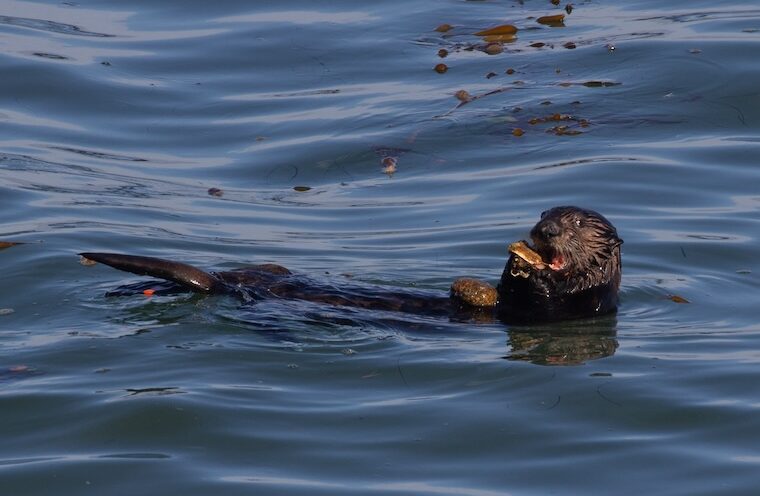
Sea otters use tools when feeding to survive a changing world
Sea otters are one of the few animals that use rocks and other objects to access their food, and a new study has found that individual sea otters that use tools—most of whom are female—can eat larger prey and reduce tooth damage when their preferred prey becomes depleted.
-
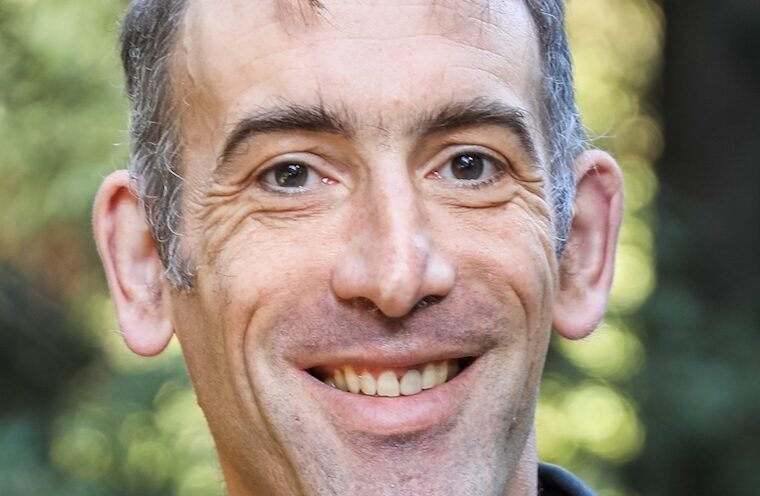
Francis Nimmo elected to prestigious fellowship of UK’s Royal Society
Francis Nimmo, professor of earth and planetary sciences, has been named a fellow of the Royal Society, the UK’s national academy of sciences. The society announced today the election of 90 researchers from around the world as new fellows, citing their “invaluable contributions to science.”
-
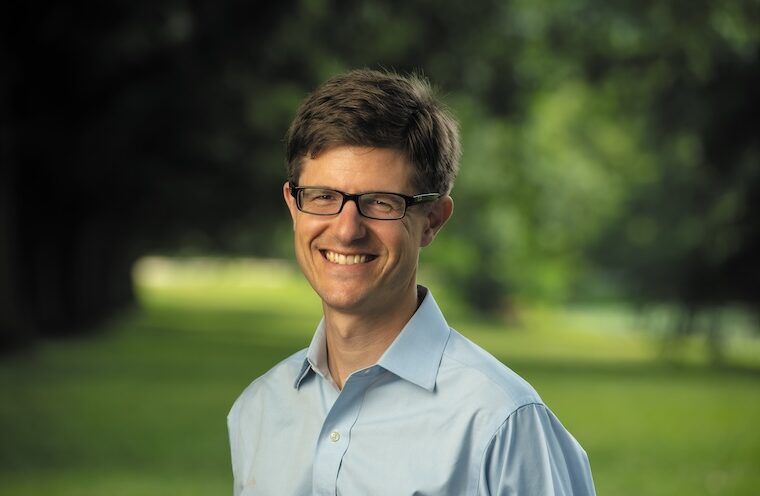
UC Santa Cruz biologist tapped to contribute to national report on nature’s role in society
For America’s first-ever report on nature’s inherent worth, and its contributions to the economy, our health and well-being, UC Santa Cruz’s Malin Pinsky will co-author a chapter on nature and climate change. He is a professor of ecology and evolutionary biology and one of 10 authors contributing to the chapter.
-

Stem cell study reveals distinct population of ‘troublemaker’ platelet cells that appear with aging and lead to blood clotting, disease
Professor of Biomolecular Engineering Camilla Forsberg and her research group have discovered a distinct, secondary population of platelets that appears with aging and have hyperreactive behavior and unique molecular properties, which could make them easier to target with medication.
-
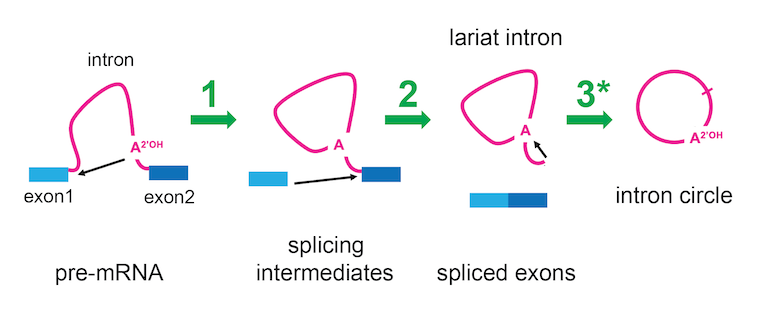
New study discovers cellular activity that hints recycling is in our DNA
Introns are perhaps one of our genome’s biggest mysteries. They are DNA sequences that interrupt the sensible protein-coding information in your genes, and need to be “spliced out.”
-
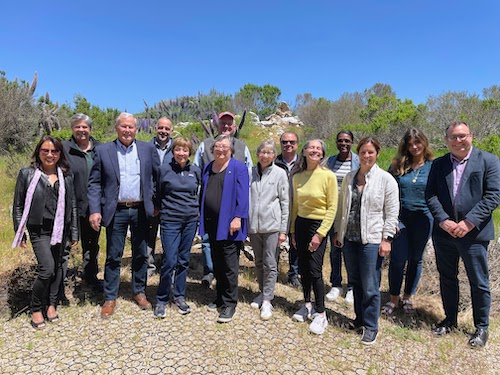
California State Board of Food and Agriculture visits campus
On April 30, California Department of Food and Agriculture (CDFA) Secretary Karen Ross and members of the California State Board of Food and Agriculture held their April Board meeting at the Hay Barn on the University of California, Santa Cruz campus.