Office of Research
-

Susana Ruiz awarded ACLS digital grant to develop VR documentary of 2011 Egyptian Uprising
UC Santa Cruz assistant film and digital media professor Susana Ruiz has received a 2021 Digital Extension Grant of $150,000 from The American Council of Learned Societies (ACLS) for her project, Arab Data Bodies: Social Media in Mixed Reality.
-
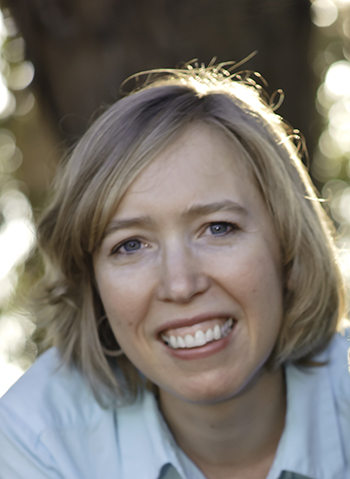
History professor wins prize for article on post-Civil War incarceration of African American children
Associate professor of history Catherine Jones has been honored with the 2021 Richards Prize for the best article published in The Journal of the Civil War Era in 2020. The journal explores how knowledge of the Civil War era informs our understanding of 21st-century politics and society.
-

Haziness of exoplanet atmospheres depends on properties of aerosol particles
A laboratory study of haze particles produced under different conditions helps explain why some exoplanets may be obscured by hazy atmospheres.
-

$2 million grant revamps Chemical Screening Center
A new NIH grant will facilitate more efficient and accessible biomedical research.
-
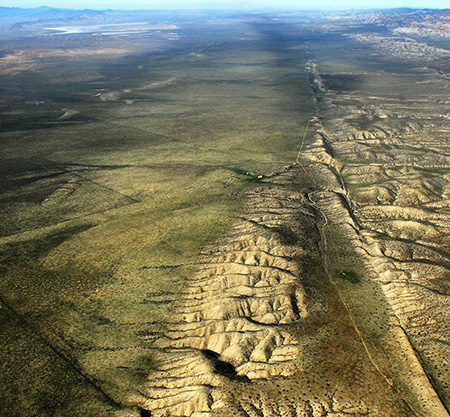
Model reveals interactions between rivers and fault lines
Researchers created a model that uses the movement at fault lines to understand river flow and vice versa.
-
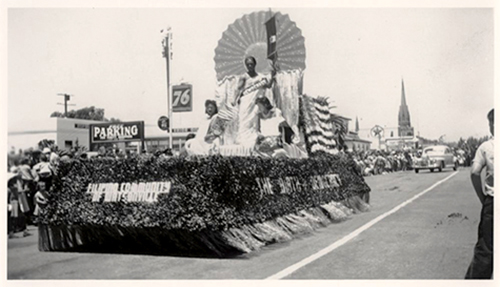
Library’s new Community Archiving Program to broaden scope of Regional History Project
The University Library has announced the establishment of a new Community Archiving Program that will build on the foundation of its decades-old Regional History Project.
-
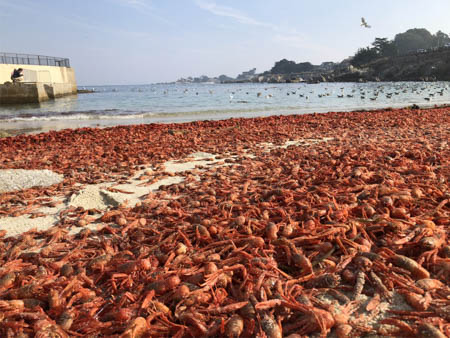
Unusual currents explain mysterious red crab strandings
New findings suggest that abnormal ocean currents cause the occasional appearance of pelagic red crabs outside their native range.
-

Martian south polar cap composition focus of new study
A team of scientists have determined that Mars’ south polar ice sheet may be made of clays, metal-bearing minerals, or saline ice.
-
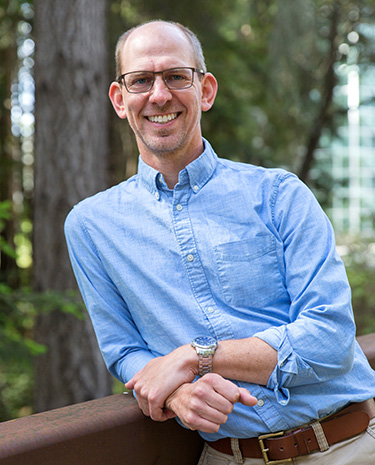
Jonathan Fortney garners Simons Investigator in Astrophysics award
The $500,000 award from the Simons Foundation will support Fortney’s research on planetary atmospheres.
-
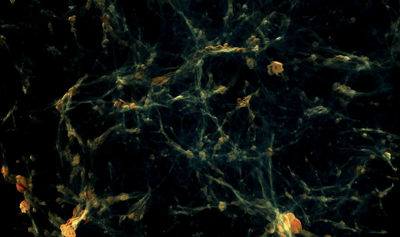
Cosmic dawn occurred 250 to 350 million years after Big Bang
Cosmic dawn, when stars formed for the first time, occurred 250 million to 350 million years after the beginning of the universe, according to a new study.
-

Tracking data show how the quiet of pandemic-era lockdowns allowed pumas to venture closer to urban areas
During regional shelter-in-place orders, declining levels of human mobility emboldened local pumas to use habitats they would normally avoid out of fear of humans.
-

Nathaniel Deutsch’s ‘A Fortress in Brooklyn’ reveals provocative counter-history of American Jewry
A new book by UC Santa Cruz history professor Nathaniel Deutsch details how a group of determined Holocaust survivors survived in one of the roughest parts of New York City—reshaping the urban landscape of postwar Brooklyn.