Office of Research
-
Novel deep learning-based software detects and tracks individual cells with high precision
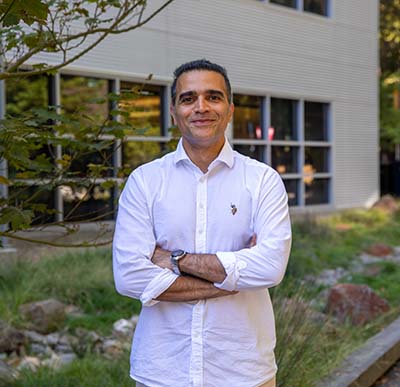
Assistant Professor of Biomolecular Engineering Ali Shariati and doctoral student Abolfazl Zarageri together with several student researchers in the Shariati lab have developed and released a new deep learning model called “DeepSea,” one of the only tools with the ability to segment cells, track them and detect their division to follow lineages of cells.
-
Astronomers observe giant tails of helium escaping Jupiter-like planet
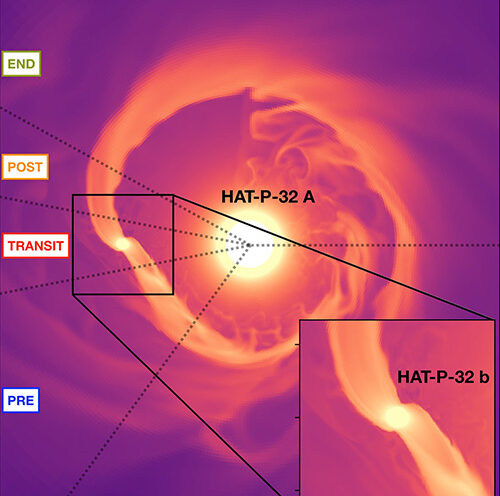
Heat from the host star is evaporating the atmosphere from a “hot Jupiter” exoplanet, creating some of the longest gas tails ever observed around a planet.
-
UC Santa Cruz announces recipients of Chancellor’s Innovation Impact Awards
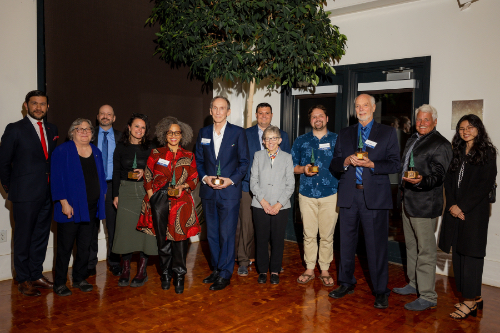
The Chancellor’s Innovation Impact Awards celebrate the university’s talented faculty, researchers, staff, students, and community partners for their outstanding contributions to innovation and creativity.
-
Crucial organic farming issue addressed by UC workshops, collaborations
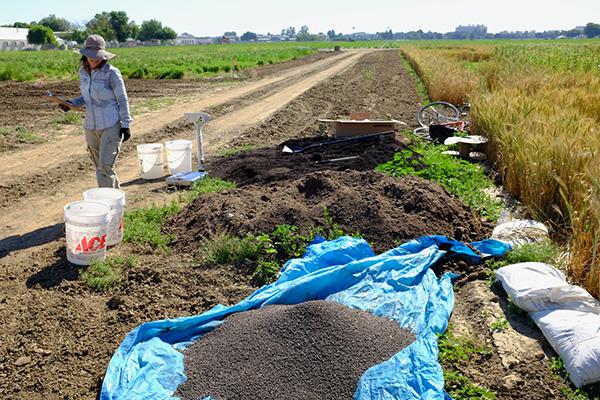
UC Santa Cruz-based organic production specialist Joji Muramoto collaborated on a UC Cooperative Extension workshop series for organic vegetable and fruit growers on how to manage nitrogen.
-

Study reveals key molecular interaction that sets the timing of our biological clocks
New findings point toward a promising target for the development of therapies for sleep disorders, jet lag, and other effects of clock disruption.
-
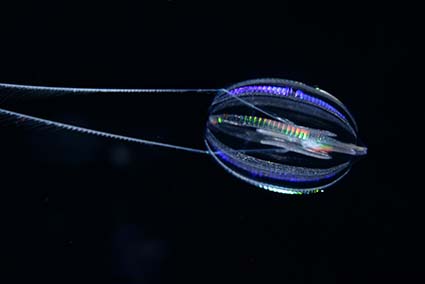
Comb jellies proven to be the sibling group to all other animals
New research proves comb jellies are a unique lineage or “sibling group” whose ancestors diverged before the common ancestor of all other animals.
-

Human pangenome reference will enable more complete and equitable understanding of genomic diversity
UC Santa Cruz scientists, along with a consortium of researchers, have released a draft of the first human pangenome—a new, usable reference for genomics that combines the genetic information of 47 individuals from different ancestral backgrounds to allow for a deeper, more accurate understanding of worldwide genomic diversity.
-

Center for Agroecology will support new USDA Regional Food Business Center
The University of California, Santa Cruz will support the establishment of a U.S. Department of Agriculture (USDA) Regional Food Business Center to support resilient food systems.
-
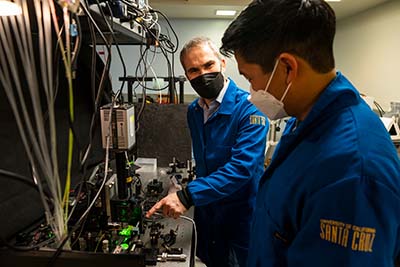
Deep neural network provides robust detection of disease biomarkers in real time
Holger Schmidt’s lab has developed a deep neural network that improves the accuracy of their unique devices for detecting pathogen biomarkers.
-
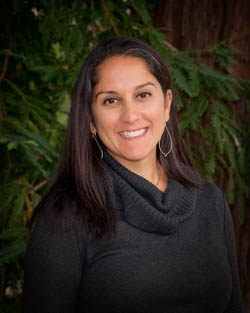
UCSC environmental governance expert named to NASEM committee addressing methane gas emissions
Environmental Studies Professor Sikina Jinnah has been appointed as a member of the National Academy of Sciences, Engineering, and Medicine (NASEM) Committee for Atmospheric Methane Removal to assess viable technological options for reducing a powerful greenhouse gas.
-

Genome of famed sled dog Balto reveals genetic adaptations of working dogs
Still a good boy nearly 100 years after historic sled run, Balto has now helped scientists explore the genetics of working dogs and demonstrate the power of comparative genomics.
-
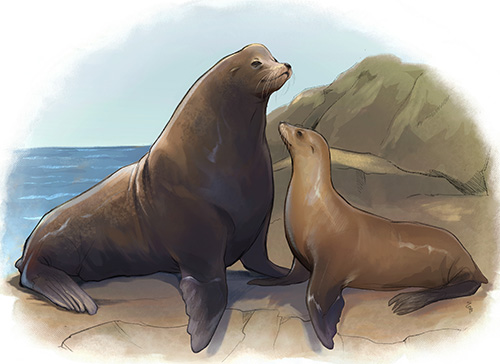
As the California sea lion population got bigger, so did male sea lions
Unlike other marine mammals, male California sea lions have gotten bigger over the past 50 years as their population has grown.