Office of Research
-

UCSC astronomers find most distant galaxy candidate yet seen
Astronomers have found what may be the most distant galaxy ever seen, about 13.2 billion light-years away.
-

Earthquake expert Emily Brodsky featured in NSF lecture series
Seismologist Emily Brodsky is featured in the National Science Foundation’s “Voices From the Future” lecture series.
-

Astronomers release the largest color image of the sky ever made
The Sloan Digital Sky Survey III has released the largest digital color image of the sky ever made.
-

Paul Whitworth to deliver 45th annual UCSC Faculty Research Lecture-Feb. 3
UC Santa Cruz professor of theater arts Paul Whitworth will deliver the 45th annual UCSC Faculty Research Lecture on Thursday, February 3, at 6 p.m. in the Mainstage Theater.
-
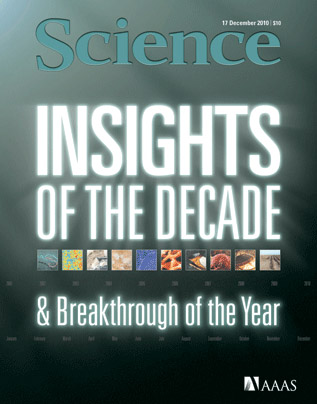
Top science stories of 2010 include UCSC research
Two stories involving UCSC researchers turned up on a wide array of lists of the top science stories of 2010.
-
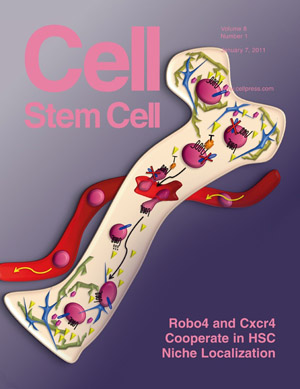
Stem cell discovery could lead to improved bone marrow transplants
The discovery of a key molecule for establishing blood stem cells in the bone marrow may lead to improvements in bone marrow transplants.
-

Fulbright Scholar Program funds prof’s environmental work in Chile
Environmental toxicologist Russell Flegal is busy with teaching and research projects during a six-month visit to Chile as a Fulbright Scholar.
-
Fossil finger bone yields genome of a previously unknown human relative
DNA extracted from a fossil finger bone has yielded the genome of a previously unknown group of human relatives.
-
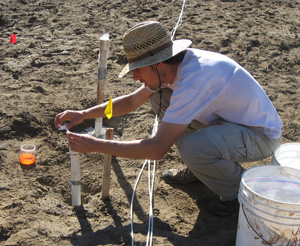
Recharge pond study reveals dynamics of water infiltration
An infiltration pond in California’s Pajaro Valley has become a laboratory where scientists are working to improve techniques for recharging the region’s depleted aquifer.
-
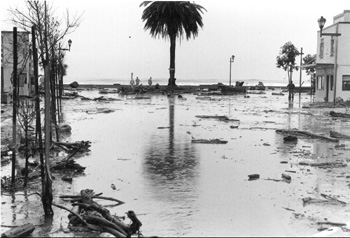
UCSC scientists help California coastal communities prepare for sea level rise
Sea level is rising, and California’s coastal communities will need to prepare for the gradual inundation of low-lying areas, as well as increased erosion rates and damage from storms.
-
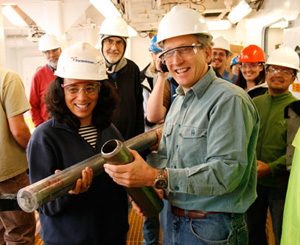
Bering Sea was ice-free and full of life during last warm period, study finds
Deep sediment cores retrieved from the Bering Sea floor indicate that the region was ice-free all year and biological productivity was high during the last major warm period in Earth’s climate history.
-
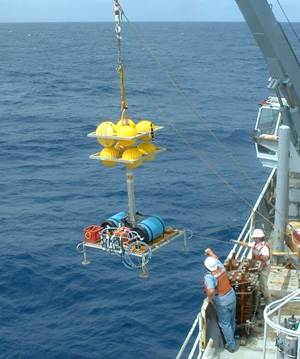
Life thrives in porous rock deep beneath the seafloor, scientists say
Researchers have found compelling evidence for an extensive biological community living in porous rock deep beneath the seafloor.