Social Sciences
-
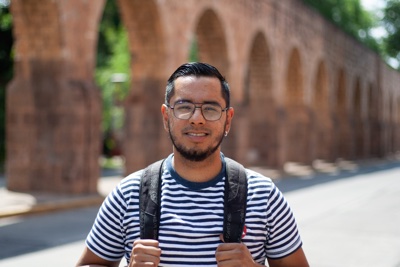
Latino studies graduate student focused on history, roots
Five years ago, Mario Alberto Gómez-Zamora worked with teen-agers to collect stories from elders in a P’urhépecha indigenous community in Patamban, Michoacán, Mexico. Today, he’s a graduate student in Latin American and Latino Studies.
-
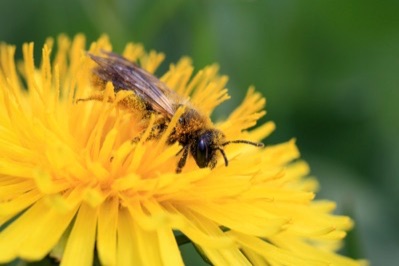
Letourneau’s datasets propel research that shows biodiversity improves crop production
When Environmental Studies Professor Deborah Letourneau was getting ready to retire, she gave several of her datasets to younger researchers so they could make use of them. And did they ever.
-

Public invited to view Norris Center art-science residency projects
Several examples of art-science collaborations will be on view at the Museum of Art and History on Sunday, Nov. 10 from 10-5 p.m. and at the Norris Center for Natural History on Friday and Saturday, Nov. 15-16 from noon to 5 p.m.
-
First generation, lasting impact
Funding from Jacques M. Littlefield Foundation is helping first-generation students succeed and generating research on practices that can support students across the country
-

Climate engineering: International meeting reveals tensions
At this point, the greatest danger of climate engineering may be how little is known about where countries stand on these potentially planet-altering technologies. Who is moving forward? Who is funding research? And who is being left out of the conversation?
-
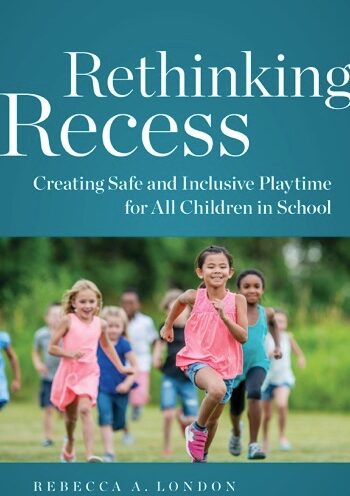
Learning on the playground: How elementary school recess enhances every aspect of child development
Recess is a lot like school lunch: Some kids get lasagna with an organic green salad, some get a burrito out of a box, and some do without. Like lunch, who gets recess—and who gets good recess—is often determined by what school district a student lives in.
-
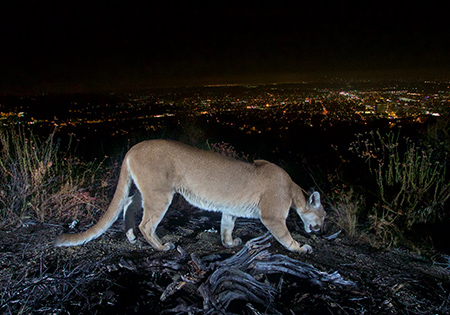
Whole genome sequencing could help save pumas from inbreeding
The first complete genetic sequences of individual mountain lions point the way to better conservation strategies for saving threatened populations of the wild animals.
-

New Human Rights Lab trains students to investigate wrongdoing
The new Human Rights Lab went live this fall with 19 students who have learned high-tech, digital-verification skills they will use to investigate alleged human rights abuses around the globe.
-

Campus receives $1.5 million from state for ‘Basic Needs’ programs
An infusion of state funds is enabling the campus to expand its “basic needs” programs, including initiatives to make free food available on campus seven days a week and to help students who need emergency housing assistance.
-

New website highlights UCSC’s “living labs”
A new website provides easy access to programs offering opportunities for hands-on learning at UCSC.
-
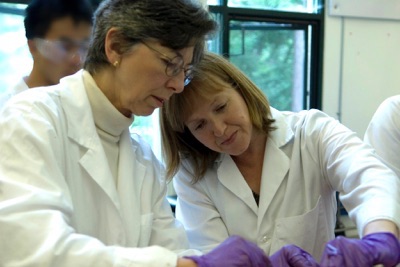
Anthropologist Adrienne Zihlman publishes 450-page opus on ape anatomy and evolution
Anthropology Professor Emerita Adrienne Zihlman has published a 450-page volume that presents the “big picture” of what she has learned about human origins from her painstakingly thorough study of modern ape anatomy over the last four decades.
-

Sustainable aquaculture initiative lands $245,000 federal grant
Anne Kapuscinski, professor of environmental studies and director of the Coastal Science and Policy Program, has received a $245,000 federal grant that will support her team’s work driving efforts to make aquaculture more sustainable.