Science
-

A year of risks and rewards at UC Santa Cruz
From a dramatic Quarry renovation groundbreaking to an extraordinary recognition for groundbreaking research, 2016 at UC Santa Cruz was full to bursting with accomplishments and accolades
-

Campus inventors recognized for recent patents
The Office of Research is working to bolster patent activities and services for technology transfer, part of an effort to help faculty, students and staff commercialize inventions and discoveries.
-
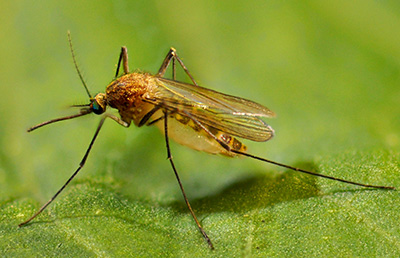
Growing mosquito populations linked to urbanization and DDT’s slow decay
Rising temperatures due to climate change were found to have less influence on mosquito populations than land use changes and the decay of residual DDT in the environment.
-
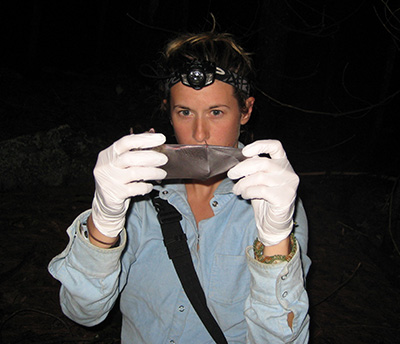
Some bats develop resistance to devastating fungal disease
White-nose syndrome has decimated the little brown bat, but researchers found populations that appear to have developed resistance to the disease.
-

UC Santa Cruz biologist Harry Noller wins $3 million Breakthrough Prize in Life Sciences
From antibiotics to the origins of life, Noller’s findings on the protein factories of all cells have broad implications.
-
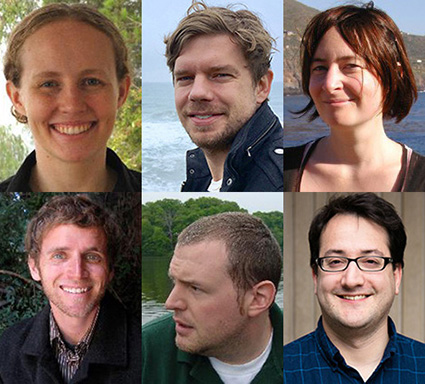
New faculty rejuvenate Department of Astronomy and Astrophysics
New astronomy faculty bring with them a wide range of expertise in some of the most exciting areas of astronomy, astrophysics, and cosmology.
-
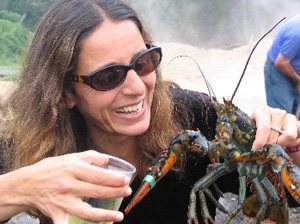
Marine scientist Adina Paytan named 2016 ASLO Fellow
Paytan will be honored as a fellow of the Association for the Sciences of Limnology and Oceanography (ASLO).
-

Chemistry professor Pradip Mascharak receives Outstanding Faculty Award
Mascharak received the 2016 Outstanding Faculty Award from the Division of Physical and Biological Sciences.
-
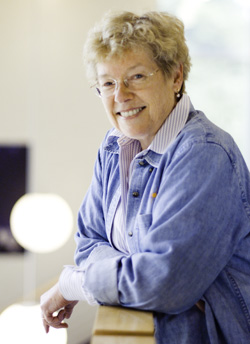
Astronomer Sandra Faber awarded California Academy of Sciences Fellows Medal
The California Academy of Sciences has awarded its highest honor, the Fellows Medal, to Sandra Faber, professor emerita of astronomy and astrophysics, and elected professors Karen Holl and Erika Zavaleta as new Academy Fellows.
-

At Long Marine Lab, scientists and marine mammals are partners in research
Marine mammals reveal hidden aspects of their biology to scientists working to understand the challenges facing wild populations
-
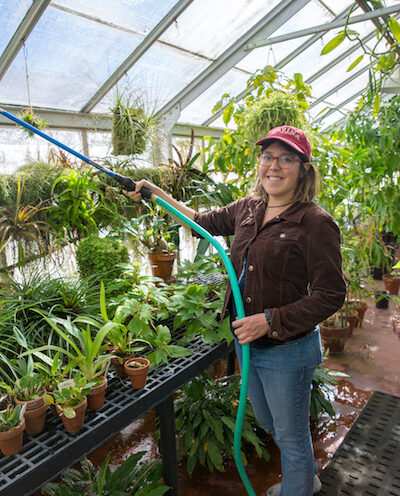
Hispanic-Serving Institutions grant offers opportunities for Latino students to transfer to UCSC
Cultivamos Excelencia is meant to motivate and retain Hispanic/Latino and other high-need students at San Jose City College to complete their bachelor’s degrees at UC Santa Cruz.
-

Toxins from freshwater algae found in San Francisco Bay shellfish
Study shows toxins from freshwater algal blooms can also contaminate coastal waters and marine shellfish.