Science
-
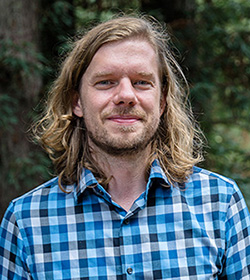
UC Santa Cruz prof and grad student are among honorees at 2018 NEXTies
The local awards show will be held at the Rio Theater in Santa Cruz on Friday, March 23.
-
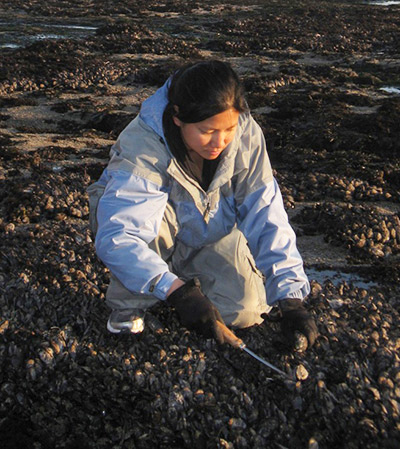
Four kinds of algal toxins found in San Francisco Bay shellfish
Researchers monitoring San Francisco Bay for algal toxins have found a surprising array of different toxins in the water and in mussels collected from the bay.
-
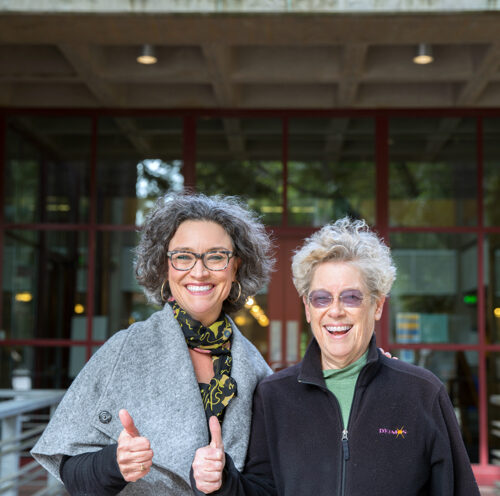
Grant to transform upper floor of Science and Engineering Library
A $5 million grant will kick-start the Science and Engineering Library’s transformation and name floor to honor legendary astrophysicist Sandra Faber
-

Mothers in science offer solutions to the conference-childcare conundrum
A Working Group of Mothers in Science has proposed guidelines for scientific conferences to remove barriers for parents.
-
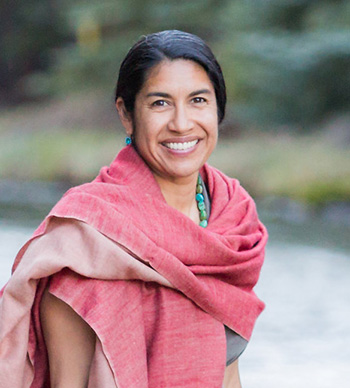
Ecologist Erika Zavaleta elected Fellow of the Ecological Society of America
Zavaleta was honored in recognition of her contributions to the science of ecology.
-

Tracking data reveal the secret lives of marine animals
Seals, whales, sharks, turtles, seabirds, and other marine vertebrates show similar patterns of movement in marine environments.
-
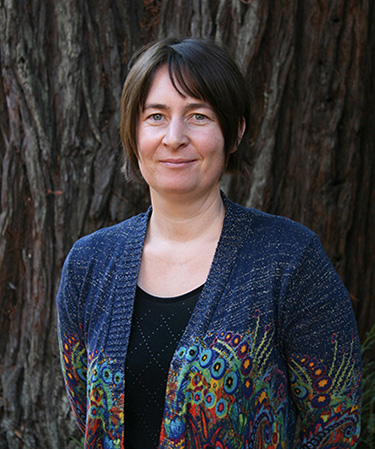
UCSC astronomer Alexie Leauthaud wins Sloan Research Fellowship
The Sloan Research Fellowships honor early-career scholars whose achievements mark them as among the very best scientific minds working today.
-
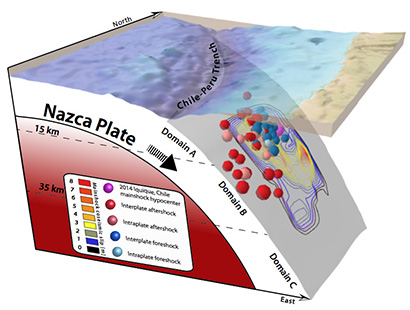
Analysis of major earthquakes supports stress reduction assumptions
After a major earthquake, the area where the fault slipped a lot is unlikely to slip again, seismologists say, but stress increases in surrounding areas.
-
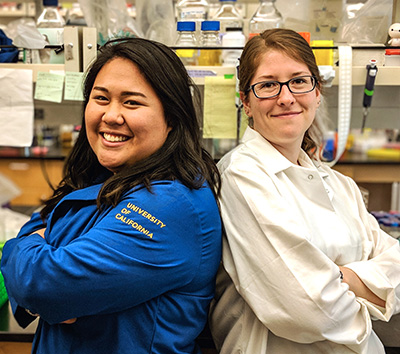
State program funds lung cancer research at UC Santa Cruz
The California Tobacco-Related Disease Research Program has awarded $1.8 million in grants and fellowships to UCSC biomedical researchers.
-
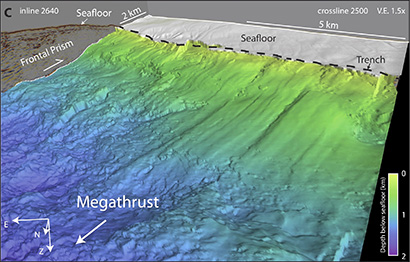
Acoustic imaging reveals hidden features of megathrust fault off Costa Rica
First detailed 3-D images of a megathrust fault show long grooves and other features in the fault surface that are likely to control how it slips in an earthquake.
-

Surfing into the history books
If the right conditions arrive this winter, alumna Sarah Gerhardt could be among the first women to compete in the Mavericks big-wave surf contest.
-

Polar bears finding it harder to catch enough seals to meet energy demands
As climate change alters their environment a growing number of polar bears are unable to catch enough fat-rich prey to meet their energy needs.