Science
-

NSF grant funds program to increase diversity in physics and astronomy
The Cal-Bridge program has received a $5 million grant to support Ph.D. pathways at 24 campuses.
-
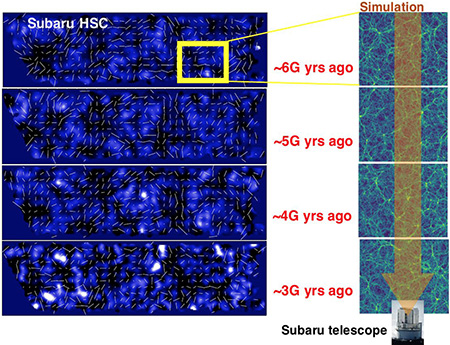
First-year Subaru Hyper Suprime-Cam survey results yield cosmological constraints
UC Santa Cruz astronomer Alexie Leauthaud has been involved in the HSC survey project from the beginning of the survey.
-
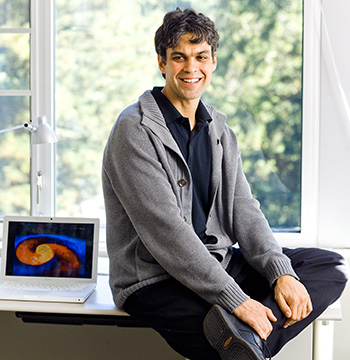
Astrophysicist Enrico Ramirez-Ruiz elected fellow of American Physical Society
Enrico Ramirez-Ruiz, professor and chair of astronomy and astrophysics, has been elected an APS Fellow in recognition of his outstanding contributions to physics.
-

Planetary scientist Francis Nimmo awarded 2018 Farinella Prize
Francis Nimmo, professor of Earth and planetary sciences, was awarded the 2018 Paolo Farinella Prize at the European Planetary Science Congress in Berlin.
-
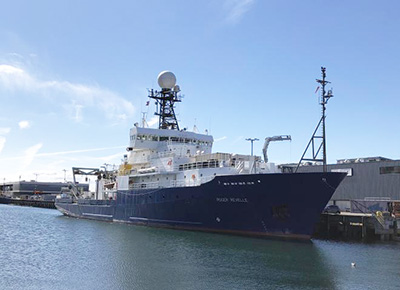
Ocean scientist Phoebe Lam leads Pacific Ocean research cruise
Lam is one of three chief scientists on the U.S. GEOTRACES GP15 cruise to sample the Pacific Ocean from Alaska to Tahiti.
-
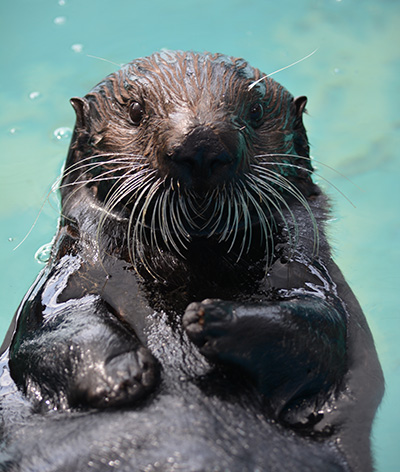
Decisive sea otters distinguish differences by touch
Research at Long Marine Laboratory reveals the sensitivity of sea otters’ paws and whiskers, as well as their ability to process tactile information rapidly.
-
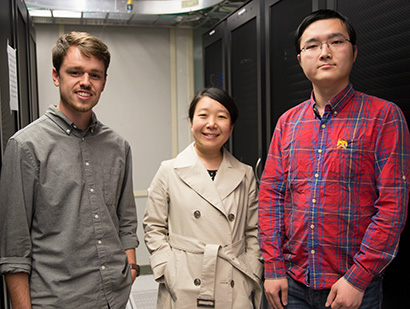
Quantum information science on the verge of a technological revolution
Theorist Yuan Ping is developing computational methods to guide the design of new materials for quantum computing and other quantum information technologies.
-
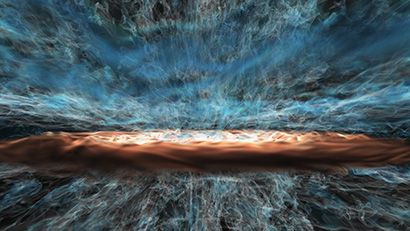
NSF funds powerful new supercomputer for UC Santa Cruz researchers
The new high-performance computer system will support research in theoretical astrophysics, climate science, materials science, and other fields.
-
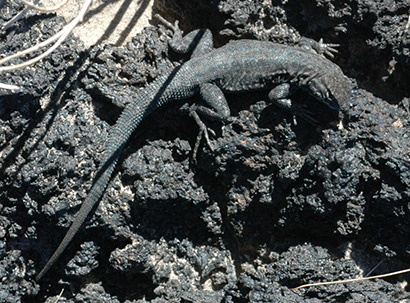
Adaptable lizards illustrate key evolutionary process proposed a century ago
The ‘Baldwin effect’ has now been demonstrated at the genetic level in a population of dark-colored lizards adapted to live on a lava flow in the desert.
-
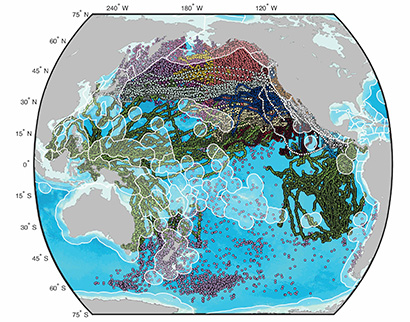
Tracking marine migrations across geopolitical boundaries aids conservation
By tracking migratory marine species, scientists reveal movements through different countries’ waters and in the open ocean beyond areas of national jurisdiction.
-
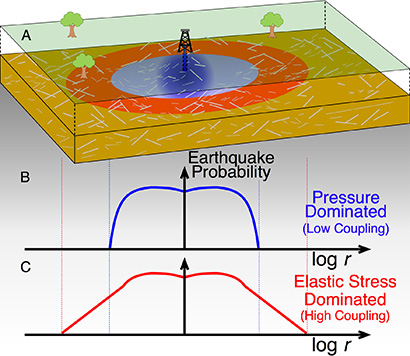
Injection wells can induce earthquakes miles away from the well
A study of earthquakes induced by injecting fluids deep underground has revealed surprising patterns, suggesting that current recommendations for hydraulic fracturing, wastewater disposal, and geothermal wells may need to be revised.
-
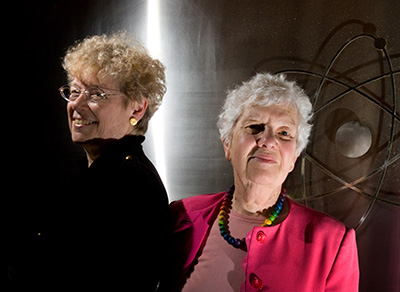
Gifts to UC Santa Cruz fund new presidential chair for diversity in astronomy
UCSC astronomer Sandra Faber and her husband made the lead gift to establish an endowed chair named in honor of Faber’s mentor, distinguished astronomer Vera Rubin.