Science
-
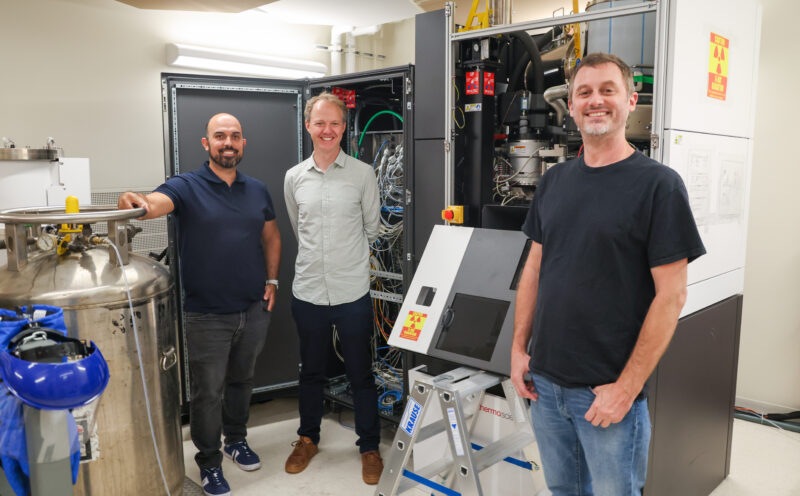
New international collaboration poised to unlock more health-related discoveries
UC Santa Cruz removes geographic barriers and reduces costs with widened access to powerful Biomolecular cryoEM Facility
-
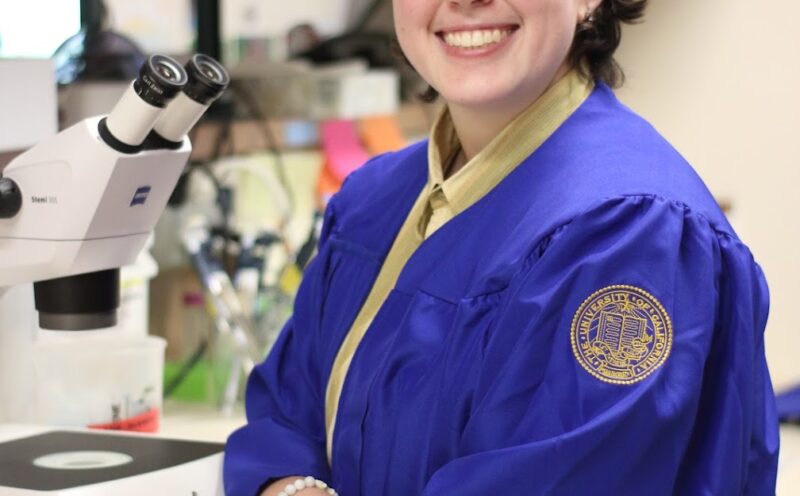
Life Beyond the Redwoods: Ciara Bolt at UC San Francisco and Natera
One year after graduating from UC Santa Cruz, Ciara Bolt (Kresge ’24, molecular, cell and developmental biology) worked as a Junior Specialist in the Sil Lab at UC San Francisco and now holds a position as a research associate at Natera, a global leader in cell-free DNA testing, dedicated to oncology, women’s health, and organ…
-
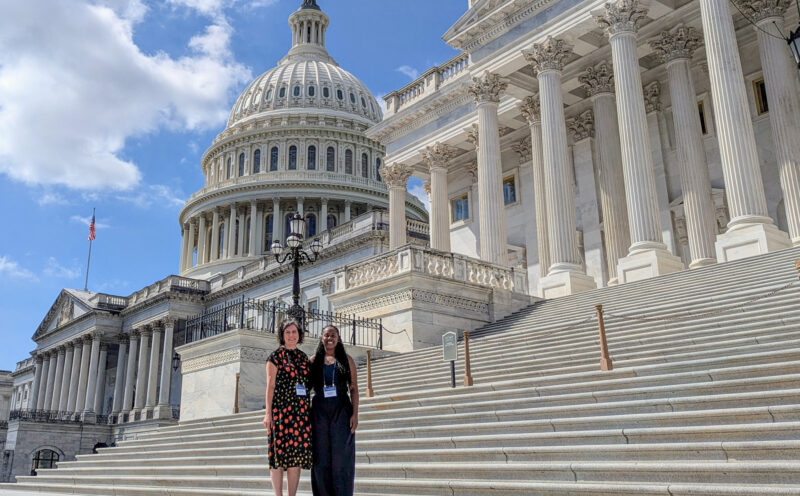
Advocating for federal investment in medical research
UC Santa Cruz researchers are sharing examples of how federal funding supports breakthrough innovations in health care.
-
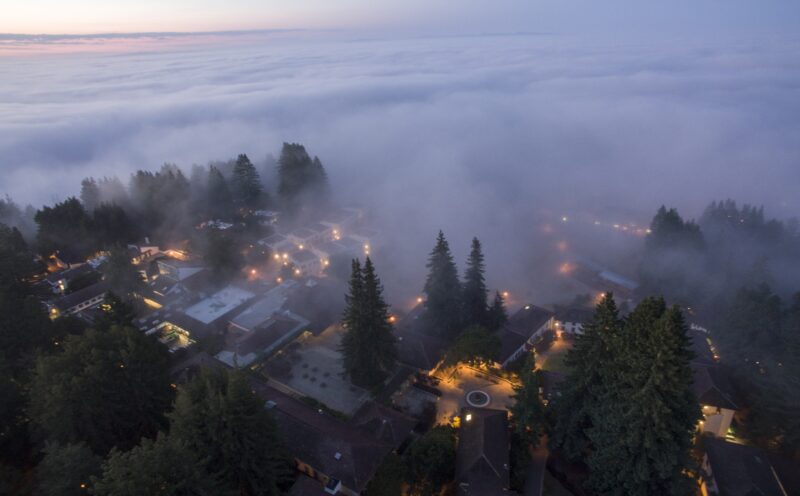
UC Santa Cruz researchers win funds to characterize makeup of Pacific coastal fog
Multi-institute project aims to enhance society’s ability to manage coastal resources and steward coastal ecosystems in a changing climate
-

Eighth US-India Conference to explore dynamic and evolving relationship with a focus on AI, global dynamics, and biomedical breakthroughs
This year’s conference, US India: Normalization or Reset?, examines how the two countries can review their priorities and either restore normalcy or redefine the relationship for a multipolar world.
-
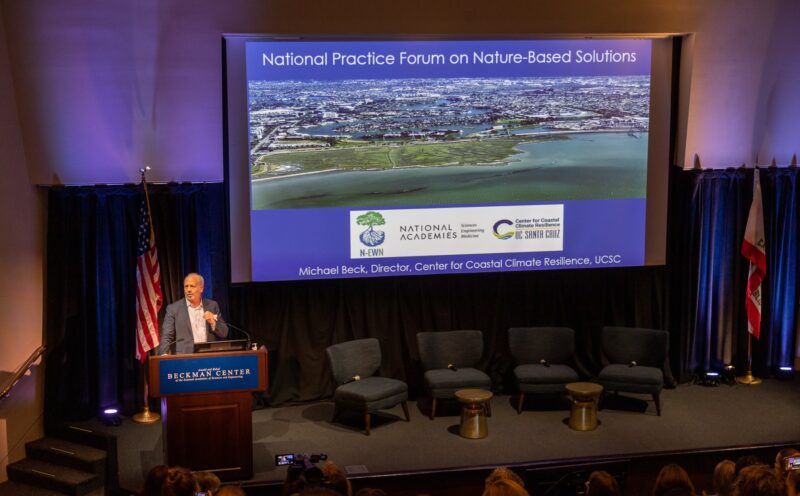
Sign up for new symposium on communicating climate solutions
Amid polarized discourse on climate change and science, trusted communicators in communities may be key to discussing solutions
-

UC Santa Cruz ranks among top 25 global public universities in new rankings
UC Santa Cruz’s high placement underscores a growing influence on the global research stage and strengths in areas with significant scientific and societal impact.
-
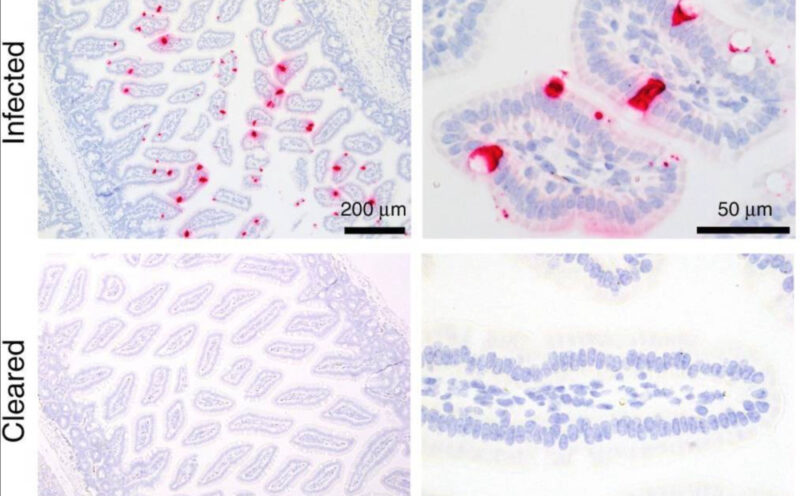
Basic virology research important for childhood health to continue with new NIH funding
The Cortez Lab at UC Santa Cruz studies mucosal microbiology and immunology, with research focused on astroviruses
-

UC Santa Cruz Alumni Association announces 2025 UCSC Alumni Awards recipients
Barry J. Bowman, Terri McCullough, Daniel (Nane) Alejandrez, Chanda Prescod-Weinstein, and Aviv Elor are the recipients of the 2025 UC Santa Cruz Alumni Awards.
-
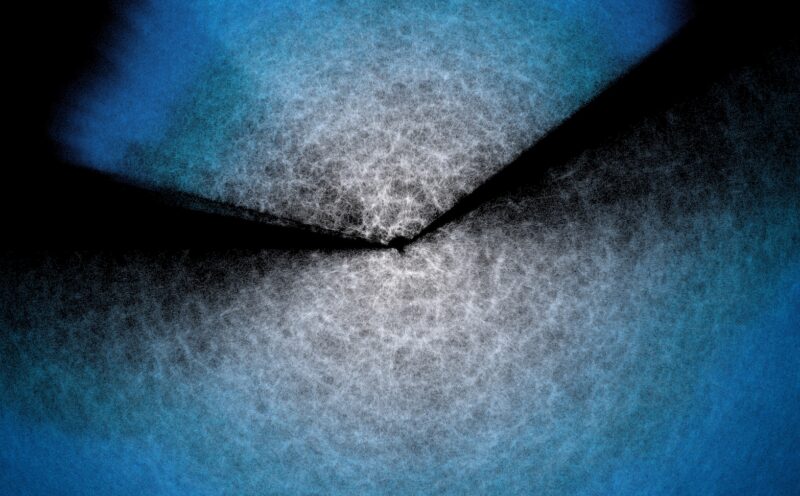
DESI collaboration to receive 2026 Berkeley Prize from AAS
The American Astronomical Society award recognizes the potentially paradigm-shifting work of the Dark Energy Spectroscopic Instrument (DESI) collaboration
-

UC Santa Cruz anchors Santa Cruz/Watsonville metro-area’s Top 16 ranking in research output
The study reveals that research breakthroughs are disproportionately clustered at a small number of institutions.
-

UC Santa Cruz and The Conservation Fund create a transformative collaboration to conserve regional habitat and pursue sustainable organic-farm expansion
The collaboration will advance the campus’s leadership in conservation, education, sustainability, and agroecology while preserving critical coastal landscapes and habitats for future generations