Science
-

UCSC chemistry department garners three NIH MIRA grants
These grants provide five years of funding for research programs at UCSC on protein synthesis, biosynthetic strategies, and biochemical mechanisms involved in cancer.
-

Astronomer Enrico Ramirez-Ruiz to give NSF Distinguished Lecture Oct. 6
The National Science Foundation has invited Ramirez-Ruiz to give a Distinguished Lecture sponsored by the NSF Directorates for Mathematical and Physical Sciences and Education and Human Resources.
-
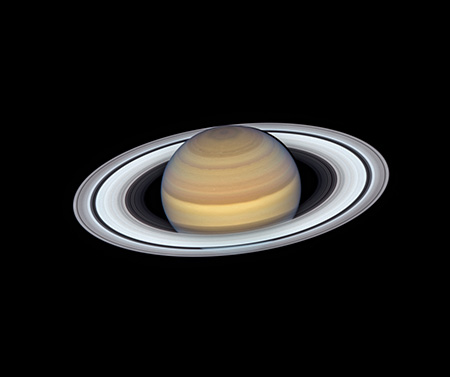
Saturn’s rings and tilt could be the product of an ancient, missing moon
A “grazing encounter” may have smashed the moon to bits to form Saturn’s rings, a new study suggests.
-
Study reveals the molecular origin of the genetic disease cystinosis
New understanding of how the transporter protein cystinosin functions may lead to better treatments for a devastating genetic disease.
-

Record of Antarctic ice sheet response to climate cycles found in rock samples
The effects of global climate cycles on Southern Ocean temperatures drove cycles of melting and freezing in the East Antarctic Ice Sheet every few thousand years, according to a new study.
-

Innovative climate resilience projects supported by 2022 CITRIS Campus Seed Funding awards
Four winning projects have been funded through the The Center for Information Technology Research in the Interest of Society (CITRIS) and the Banatao Institute at UC Santa Cruz’s Campus Seed Funding program to pursue research relating to climate resilience.
-

UCSC partners in NSF research hub to use nature to protect coastal communities
A $20 million NSF grant funds the new Climate Risks and Equitable Nature-based Solutions Hub, focusing on coral reef and mangrove ecosystems.
-
With Pivot Fellowship, astronomer J. Xavier Prochaska turns to oceanography
A new program from the Simons Foundation supports successful researchers who have a deep interest, curiosity, and drive to make contributions to a new discipline.
-
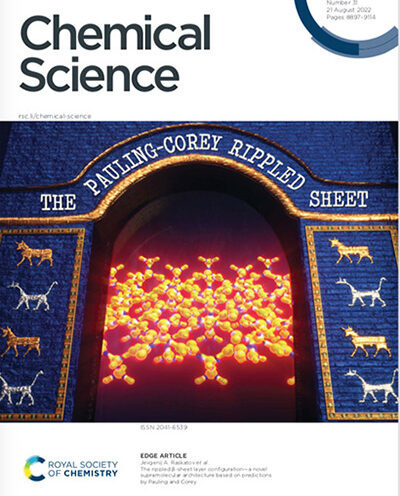
New study confirms ‘rippled sheet’ protein structure predicted in 1953
UCSC scientists reported three crystal structures of periodic rippled beta sheets, a novel protein structure with potential applications in biomedicine and materials science.
-
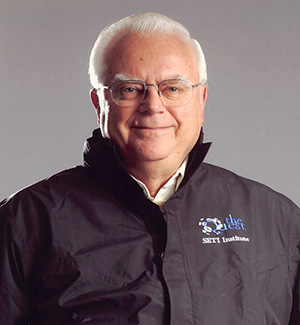
Pioneering radio astronomer Frank Drake dies at 92
Frank Drake, professor emeritus of astronomy and astrophysics and an eminent radio astronomer known for his pioneering efforts in the search for extraterrestrial intelligence (SETI), died September 2 at his home in Aptos.
-
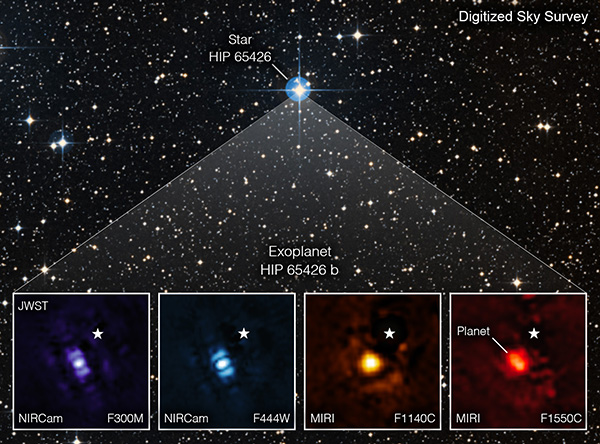
NASA releases Webb telescope’s first exoplanet image
UCSC astronomers led the analysis of the first exoplanet images captured by the James Webb Space Telescope.
-

Astronomer Ariadna Murguia-Berthier wins 2022 Trumpler Award for Ph.D. thesis
The Astronomical Society of the Pacific is honoring Murguia-Berthier for the research she completed as a graduate student in astronomy at UC Santa Cruz.