Science
-
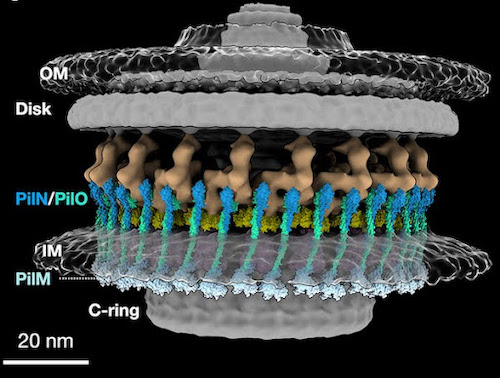
Scientists find unexpected proteins in bacteria motors
A team of scientists, co-led by Karen Ottemann, a professor of Microbiology and Environmental Toxicology, recently found three unexpected proteins while studying the motors that power the flagella of a species called Helicobacter pylori. The proteins, which are normally found in another type of appendage on a separate group of bacteria, seem to exert control…
-
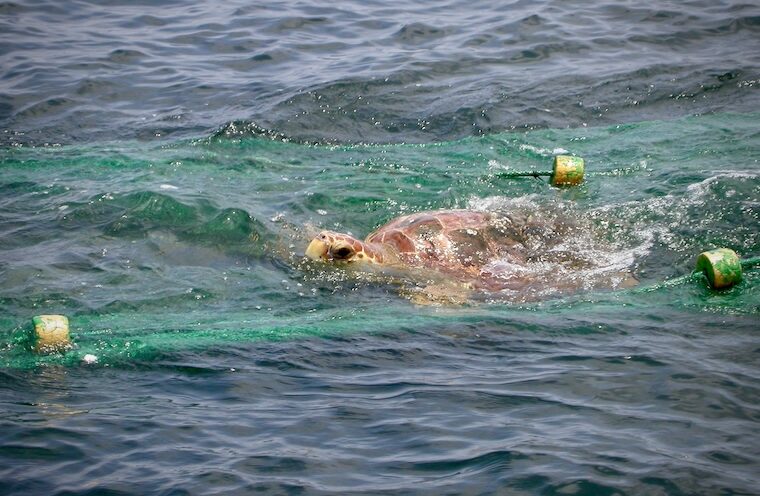
Industrial fishing poses greater risk to marine life due to untracked activity, UC Santa Cruz researchers find
A new study led by a scientist at UC Santa Cruz’s Institute of Marine Sciences finds that blue whales, tunas, and other top predators in the northeast Pacific Ocean face greater risk of harm from industrial fishing than previously thought.
-
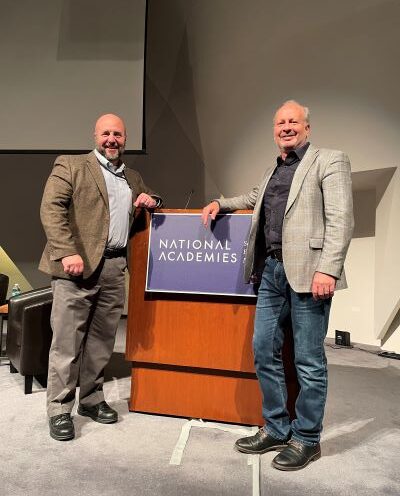
Center for Coastal Climate Resilience signs 4-year, $2.75 million agreement with the U.S. Army Corps of Engineers for work on nature-based solutions
Coastal communities face escalating risks from climate change, natural disasters, and the loss of coastal habitats, such as salt marshes, mangroves, and coral reefs, and the outlook is particularly dire for many of our most vulnerable communities. In response to these pressing issues, the UC Santa Cruz Center for Coastal Climate Resilience (CCCR) and the…
-

Planned gift bolsters Año Nuevo’s perpetual impact
Año Nuevo is part of the University of California Natural Reserves System and one of the five reserves overseen by UC Santa Cruz. John Fox is including UC Santa Cruz in his estate plans to benefit the reserve far into the future.
-
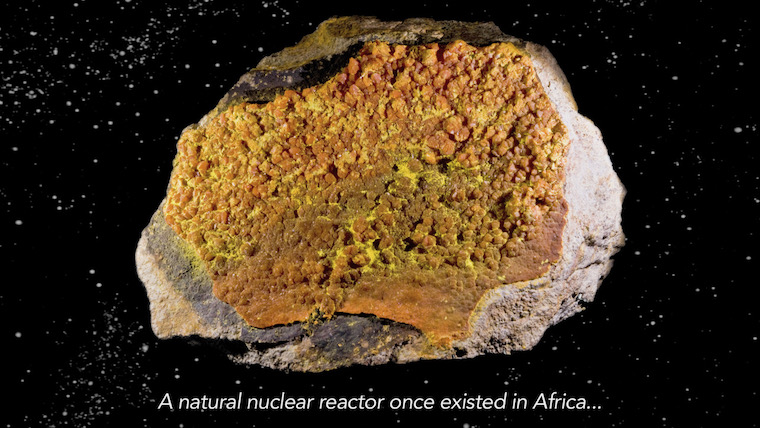
The Center for Creative Ecologies presents “Nuclear Nows: Contemporary Art, Radiation, and Militarized Ecologies”
This two-part symposium is the work of Zoe Weldon-Yochim, a Ph.D. Candidate in Visual Studies, in collaboration with T.J. Demos, Professor in the Department of the History of Art and Visual Culture and Director of the Center for Creative Ecologies, and will discuss the intersection of contemporary art, militarized ecologies, and nuclear nationalism.
-
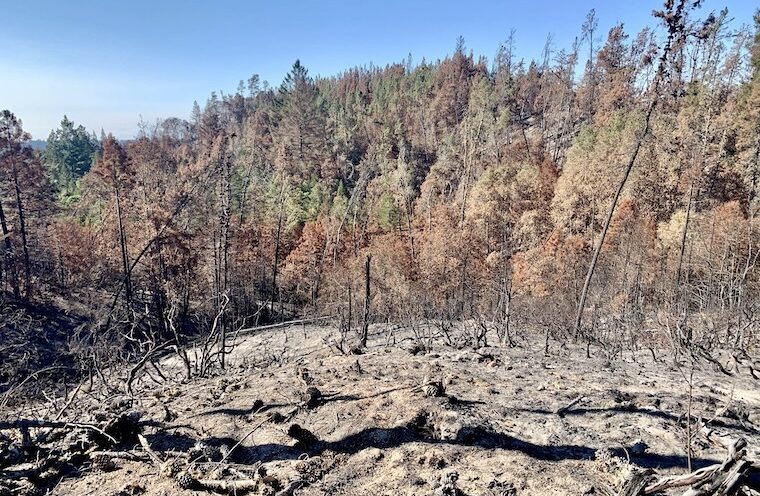
Closer water monitoring needed as wildfires increase
UC Santa Cruz researchers warn that wildfires can change the chemistry of nearby streams that people and wildlife depend on for drinking water. But they found that the baseline water-chemistry data needed to detect such changes aren’t always available.
-
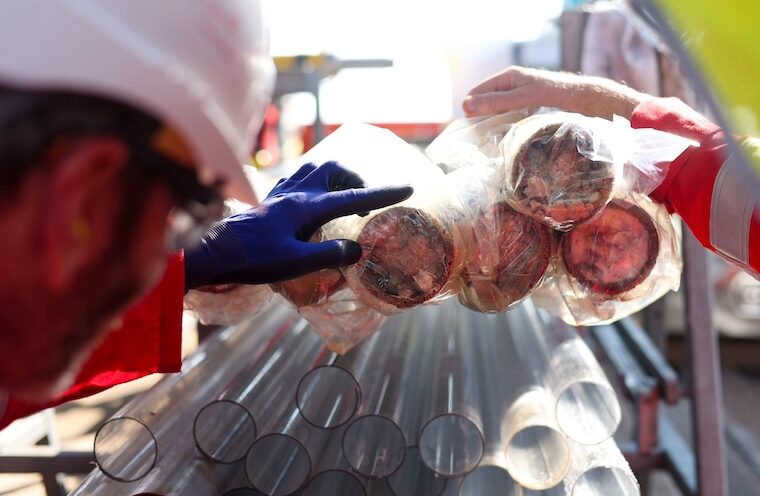
Scientists begin to crack open climate-change riddles hiding in ancient coral
An international team of researchers on an expedition co-led by UC Santa Cruz Professor Christina Ravelo collected cores of fossil coral off the coast of Hawai’i to look for signs of climate and sea-level change over the past half million years.
-

Chemists use peptides from Alzheimer’s and Type II diabetes to describe five new rippled beta-sheets
Scientists from the University of California, Santa Cruz, synthesized peptides from proteins associated with Alzheimer’s and Type II Diabetes and described five new rippled beta-sheet structures.
-
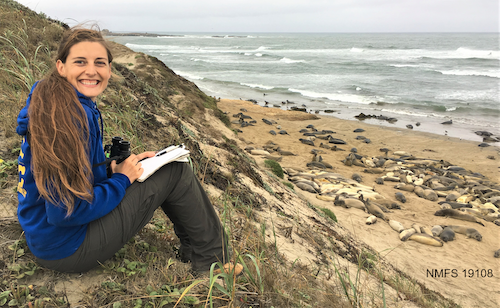
Two UC Santa Cruz scientists named 2024 Sloan Research Fellows
Assistant Professors Roxanne Beltran and Jacqueline Kimmey have been awarded Sloan Research Fellowships, one of the most prestigious honors bestowed on early-career scientists, each receiving $75,000 to delve into new areas of research in their respective fields of marine ecology and microbiology.
-
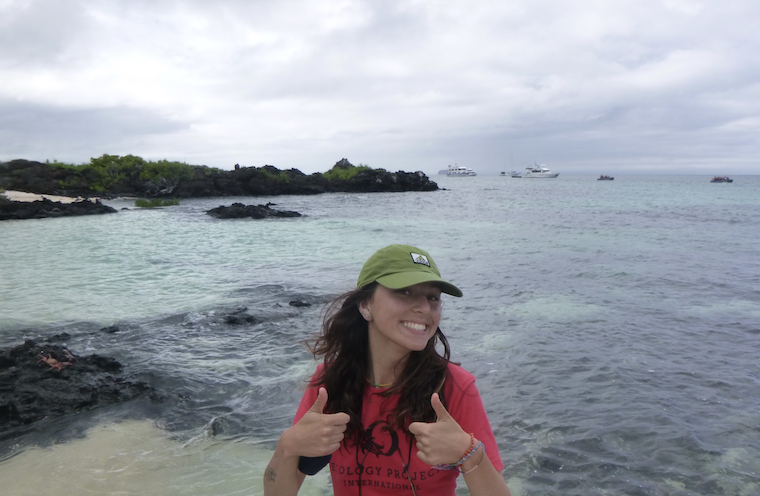
Student Gabriella Goss wins $500 Alumni Leadership Award from Ecology Project International
Her project draws inspiration from her Ecology Project International (EPI) course experience in the Galapagos Islands, where she witnessed the thriving wildlife in an ecosystem largely spared from human interference. This prompted her to explore the negative impact of human activities on animal habitats, specifically focusing on the millions of animals killed annually by vehicles.
-
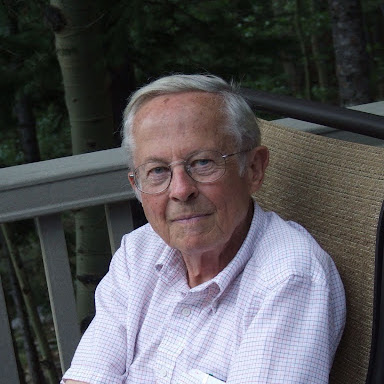
In Memoriam: Frank Andrews, Professor Emeritus of Chemistry
With enormous gratitude, we celebrate the life of UC Santa Cruz Professor Emeritus Frank Andrews, who died of cancer on January 31, 2024, at age 91.
-
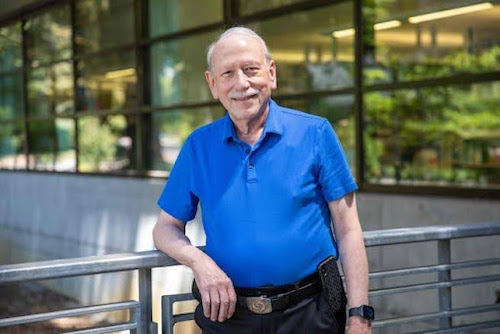
UC Santa Cruz Physicist Joel Primack wins 2024 AAAS Abelson Prize
The American Association for the Advancement of Science (AAAS) has awarded the prestigious 2024 Philip Hauge Abelson Prize to Joel R. Primack, distinguished professor of physics emeritus at the University of California, Santa Cruz and a key architect of the Cold Dark Matter theory.