Science
-

Scientists to study nearby galaxies for galactic-formation history, dark matter
At approximately 100,000 light years in diameter, the Milky Way’s vastness and the broader, ever-changing dynamics of the cosmos defy any attempt to fully understand our home galaxy and its history. UC Santa Cruz astronomer Puragra “Raja” GuhaThakurta sums up this dilemma in more familiar and figurative terms: “We simply don’t have a selfie stick…
-

Math professor awarded fellowship at the Institute for Advanced Study
Kasia Jankiewicz, assistant math professor at UC Santa Cruz, has been awarded a fellowship at the Institute for Advanced Study (IAS) in its School of Mathematics for the 2024-25 academic year. This prestigious membership allows for focused research and the free and open exchange of ideas among an international community of scholars.
-
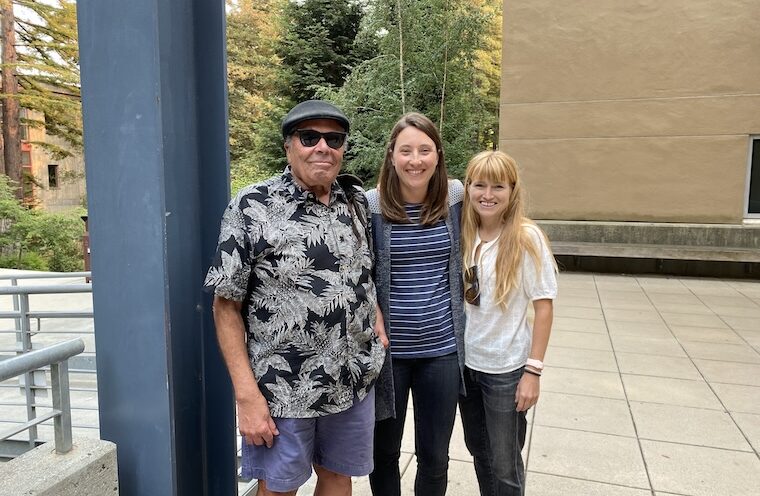
UC Santa Cruz professor honored by American Chemical Society for natural-products discovery
Phil Crews, distinguished research professor of chemistry and biochemistry, is being honored by the American Chemical Society for outstanding work in the analysis, structural elucidation, and chemical synthesis of natural products.
-
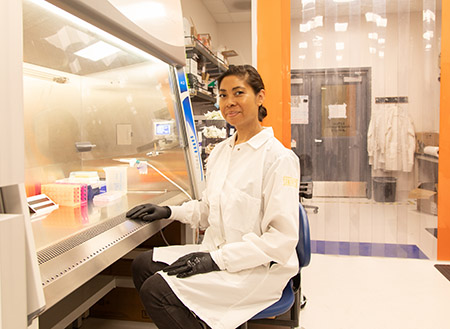
Mapping the mind
Ph.D student Asia Anderson focuses on the development of brain machine interfaces to model and study the development of the human brain, specifically those with neurodegenerative disorders.
-

Genomes in the Wild: A Q&A with Professor Joanna Lynne Kelley on Evolution, Extremes, and Hibernating Bears
At UC Santa Cruz’s Coastal Science Campus, Kelley is uncovering how life endures in extreme environments.
-
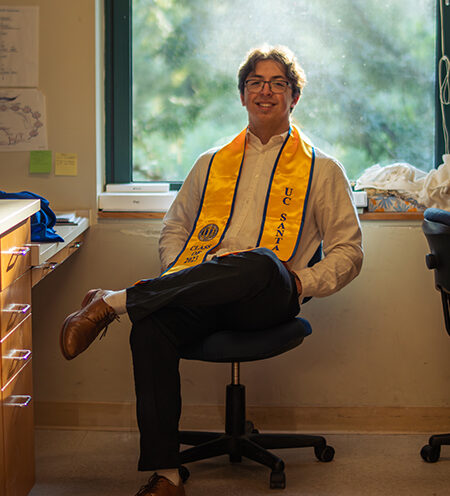
Life Beyond the Redwoods: Ozzy Bagno at Johns Hopkins
A year after graduating UCSC, Ozzy Bagno (Cowell ’23, molecular, cellular and developmental biology) is pursuing his Ph.D. at one of the top medical schools in the country, Johns Hopkins University School of Medicine.
-
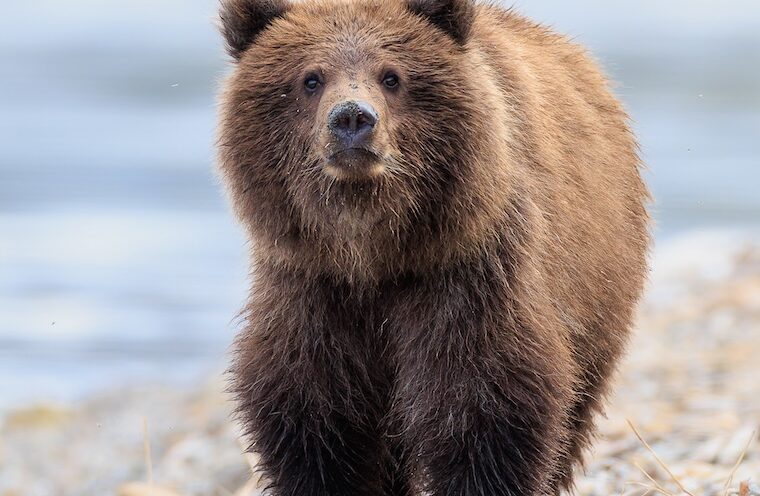
Bear DNA study to measure impact of conservation actions on genetic diversity
The National Science Foundation will fund research at UC Santa Cruz that will examine the DNA of brown bears in the lower 48 states, where the iconic beast’s numbers have seen catastrophic declines over the last century.
-
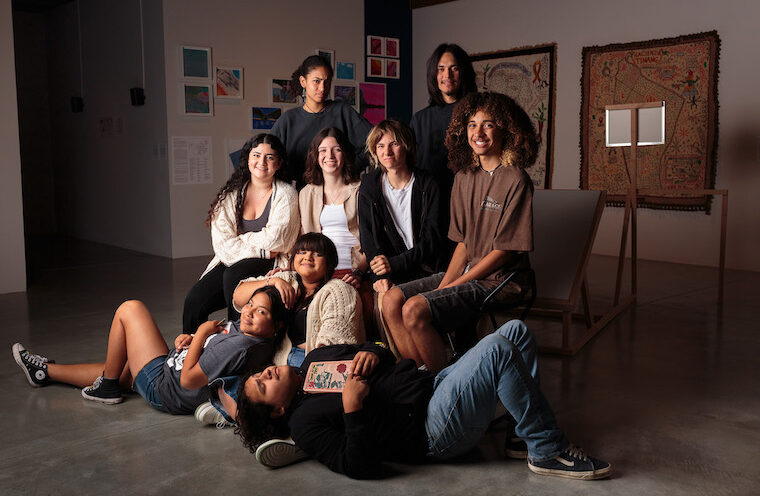
New internship program gives high school students a hands-on education in art
A first for high school students in Santa Cruz County, the Institute for Arts & Sciences just wrapped up its inaugural youth program, Art For All. Funded by the Monterey Peninsula Foundation,The program brings together high school juniors and seniors from around the Santa Cruz area to give them a hands-on, behind-the scenes look at…
-

Dan Costa to accept Monterey Bay marine sanctuary award with lecture on September 25
The Monterey Bay National Marine Sanctuary will present its Ed Ricketts Memorial Award to Dan Costa, distinguished professor of ecology and evolutionary biology, and former director of UC Santa Cruz’s Institute of Marine Sciences. As part of the honor, Costa will deliver a free lecture at the sanctuary’s Exploration Center starting at 6:30 p.m.
-
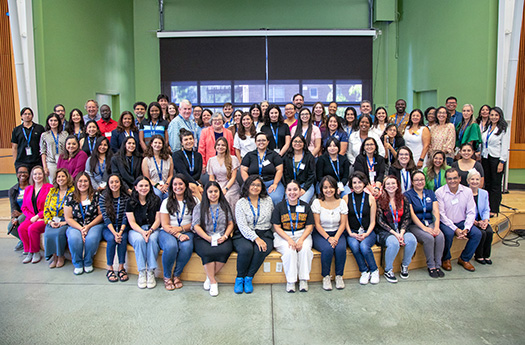
UC Santa Cruz hosts HSRU Alliance conference to support Hispanic women in physical sciences and engineering
UC Santa Cruz hosted graduate students, postdoctoral scholars, faculty, and staff from HSRU member institutions for a conference focused on supporting the success of Hispanic women in academic and professional physical science and engineering careers.
-
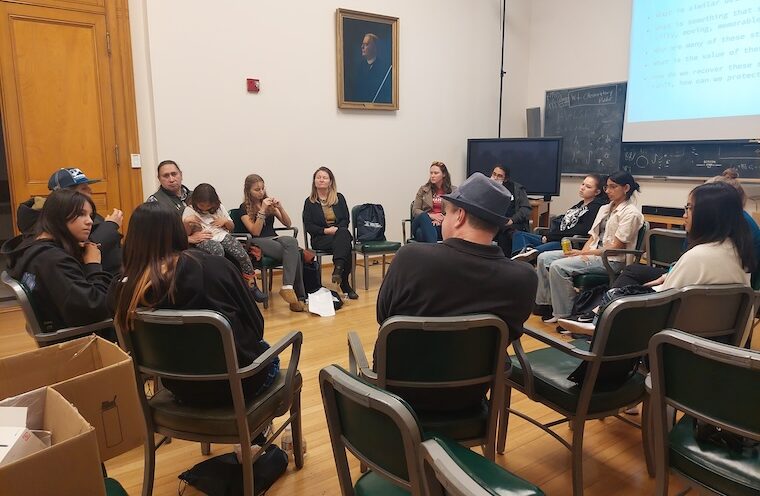
Annual event at Lick Observatory links modern astronomy to native perspectives
In collaboration with the UC Santa Cruz American Indian Resource Center, the University of California Observatories (UCO) recently hosted the second annual Native Star Stories Night at Lick Observatory. Held this year on May 9, the special event is intended to show that this traditional way of engaging with the cosmos remains as relevant and…
-
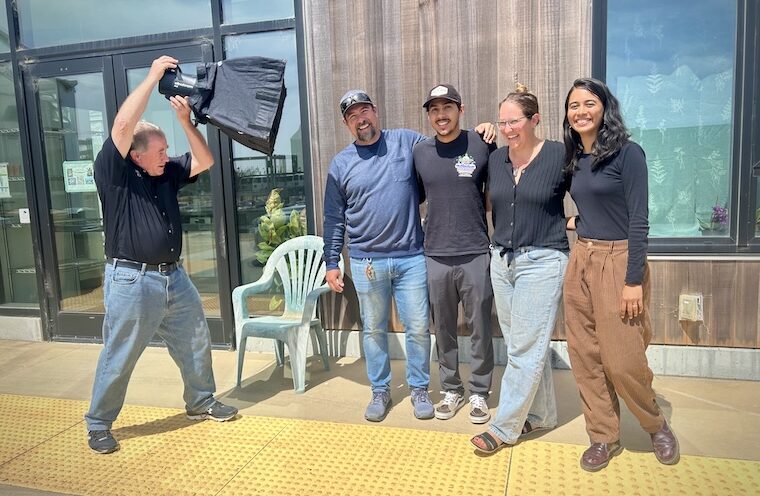
Endangered Santa Cruz salamander featured in National Geographic photo project
National Geographic Explorer and photographer Joel Sartore visited the Coastal Science Campus to take pictures of the Santa Cruz long-toed salamander, one of many endangered species that UC Santa Cruz researchers are working hard to save.