Science
-

Student Kristi Truong finds home in UCSC’s soccer program
Kristi Truong (Stevenson ’26, global community health) played soccer since she was seven years old. When choosing where to attend college, she overcame pressures to attend a school with a D1 program, and chose UC Santa Cruz.
-
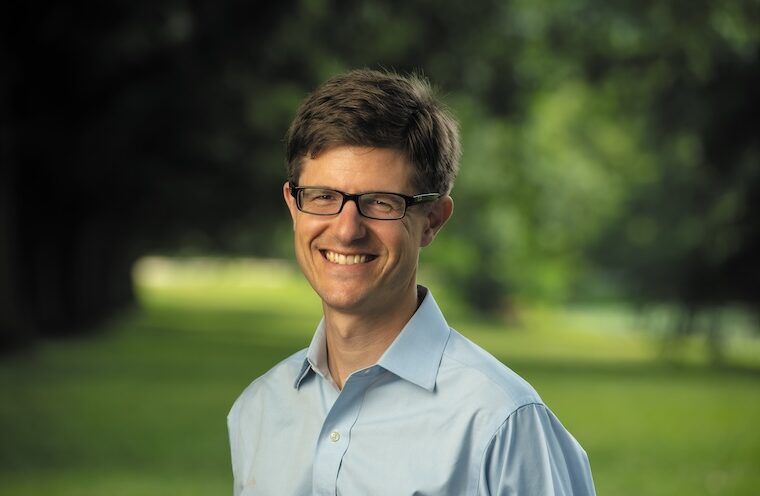
UC Santa Cruz biologist tapped to contribute to national report on nature’s role in society
For America’s first-ever report on nature’s inherent worth, and its contributions to the economy, our health and well-being, UC Santa Cruz’s Malin Pinsky will co-author a chapter on nature and climate change. He is a professor of ecology and evolutionary biology and one of 10 authors contributing to the chapter.
-
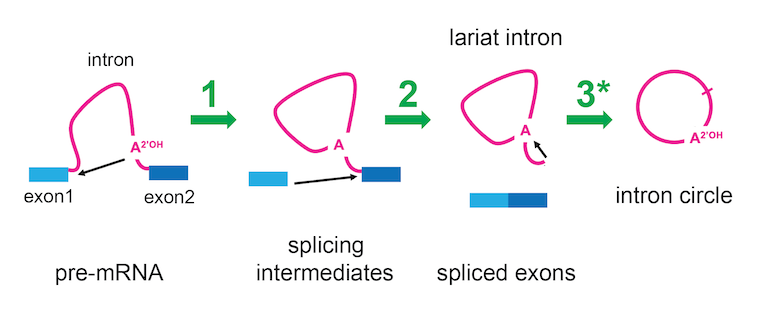
New study discovers cellular activity that hints recycling is in our DNA
Introns are perhaps one of our genome’s biggest mysteries. They are DNA sequences that interrupt the sensible protein-coding information in your genes, and need to be “spliced out.”
-
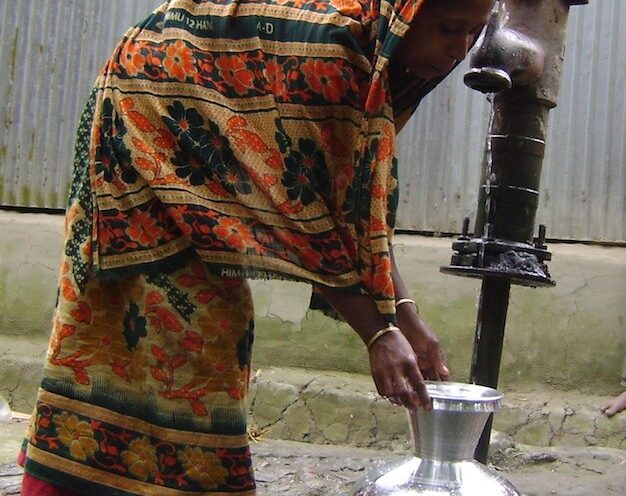
Improved nutrition, sanitation linked to beneficial changes in child stress and epigenetic programming
A new study led by a global-health researcher at UC Santa Cruz provides some of the clearest and most comprehensive evidence to date on what is known about stress physiology and “epigenetic programming.”
-
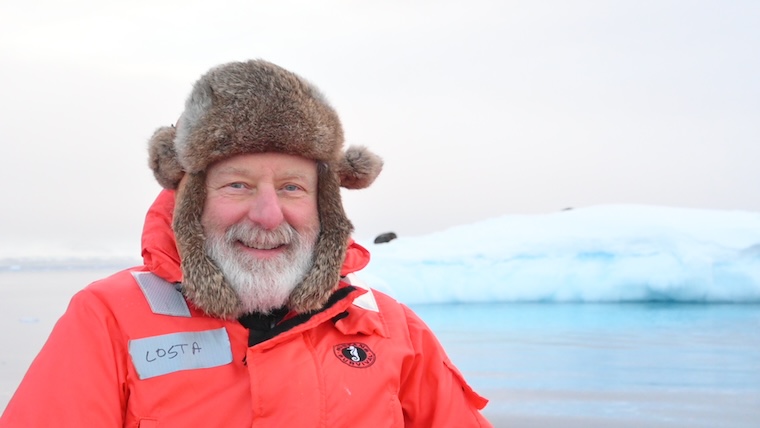
Ecological Society of America names Dan Costa a lifetime fellow
Dan Costa, distinguished professor of ecology and evolutionary biology and director of UC Santa Cruz’s Institute of Marine Sciences, has been named a 2024 Fellow of the Ecological Society of America.
-
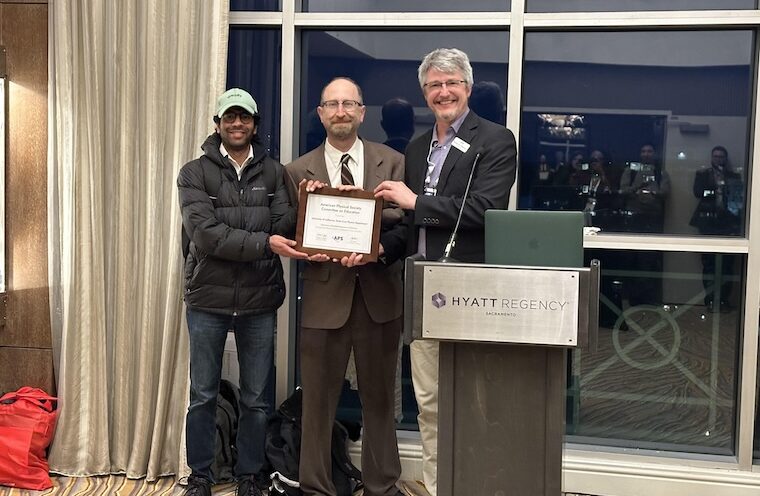
UC Santa Cruz physics department honored for improving undergraduate experience
The Physics Department has been honored by the American Physical Society (APS) for improving undergraduate physics education. At its April meeting, APS announced UC Santa Cruz as one of just three universities nationwide whose physics departments share in this year’s award.
-
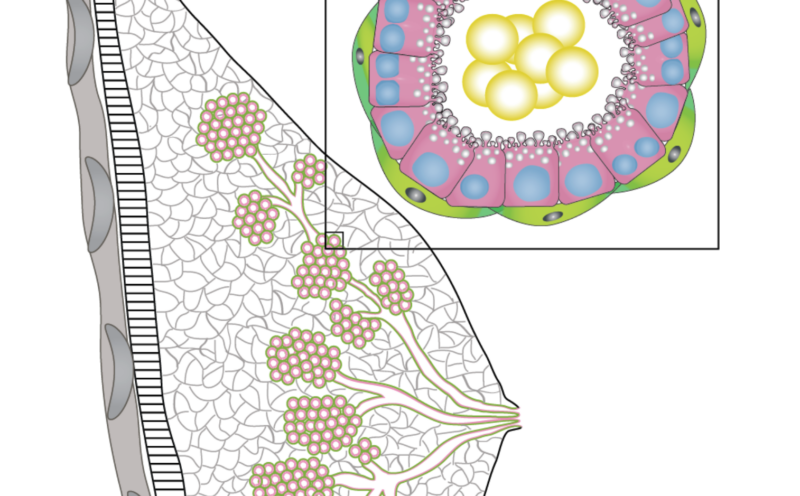
UC Santa Cruz scientists reveal new path to increasing lactation for nursing mothers
Scientists at UC Santa Cruz have discovered a cellular process in the breast that can increase milk production by pregnant women, revealing a potential path to addressing lactation insufficiency syndrome—the inability of a nursing mother to produce sufficient milk to meet their infant’s nutritional needs.
-
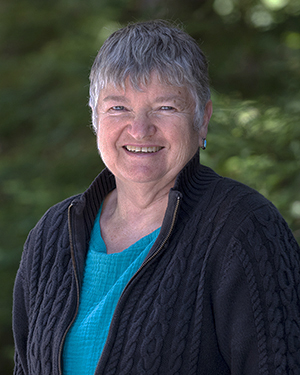
Three UC Santa Cruz faculty members named 2023 AAAS fellows
Three UC Santa Cruz faculty members have been named 2023 fellows of the American Association for the Advancement of Science: Diane Gifford-Gonzalez, emerita distinguished research professor of anthropology; longtime journalist Robert Irion, emeritus director of UC Santa Cruz’s science communication master’s degree program; and acclaimed paleo-geneticist Beth Shapiro, professor of ecology and evolutionary biology.
-
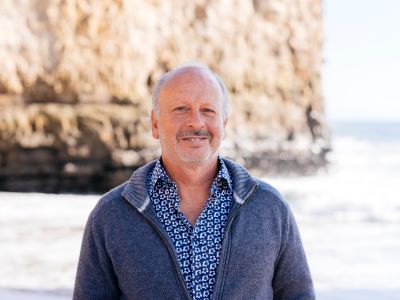
UC Santa Cruz researchers receive grants for early-stage technology innovations and climate action solutions
Eight UC Santa Cruz research teams focusing on some of the most pressing issues of our time, such as cancer detection, data encryption, and climate change, received more than $350,000 in awards as part of this year’s Innovation Catalyst Grant program, administered by the university’s Innovation & Business Engagement Hub.
-
UC Santa Cruz ‘Shadow the Scientists’ program honored for astronomical DEI efforts
A science-inclusion program based at UC Santa Cruz that has allowed thousands of school-age children, educators, and inquisitive individuals to look through world-class telescopes alongside trained astronomers has been honored for opening up scientific exploration to those from underrepresented backgrounds around the world.
-
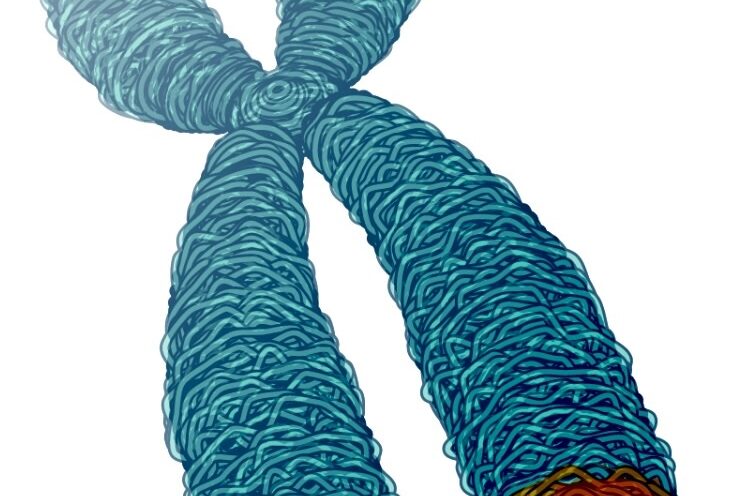
New study finds potential targets at chromosome ends for degenerative disease prevention
Published online today in Science, a new study finds that telomere lengths follow a different pattern than has thus far been understood. Instead of telomere lengths falling under one general range of shortest to longest across all chromosomes, this study finds that different chromosomes have separate end-specific telomere-length distributions.
-

UC Santa Cruz researchers value salt marsh restoration as a crucial tool in flood risk reduction and climate resilience in the San Francisco Bay
Salt marsh restoration can mitigate flood risk and bolster community resilience to climate change in our local waterways, according to a recent study published in Nature by a postdoctoral fellow with UC Santa Cruz’s Center for Coastal Climate Resilience (CCCR).